The tweet was deleted by the author.
But we saved everything 🙂.

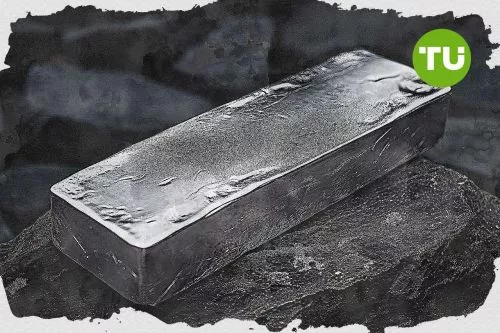
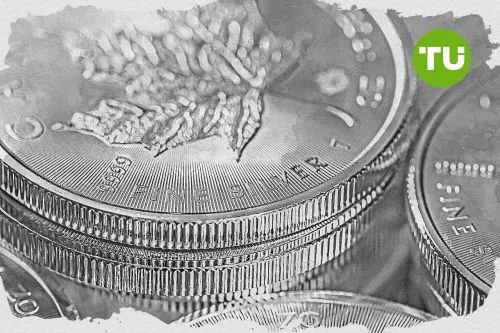
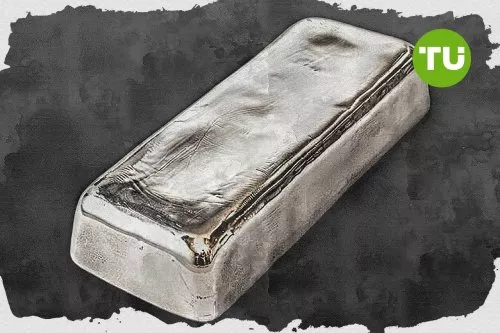
Silver, which had been one of the fastest-growing assets in the commodities market over the past year, has suffered a sharp and dramatic sell-off. Prices collapsed immediately after hitting record highs, posting the worst daily performance in decades and triggering a wave of sell-offs across related markets. What caused this drop, and does it mark the end of silver’s upward trend as a precious metal?
Just last week, the outlook for the precious metals market looked bright. Silver set a new all-time high, reaching $122 per ounce. But at some point, a sharp reversal began. On Friday, the metal plunged by roughly 26–30%, marking its worst daily performance since March 1980 and the largest one-day drop on record. The sell-off continued on Monday, with silver losing another 12–16% and falling into the $72.63–74.36 per ounce range.
Silver drew attention not only because of the scale of the move, but also because of how quickly the market shifted from euphoria to liquidation: just a week earlier, many investors viewed the rally as a “new normal,” yet only a few sessions later prices were already testing levels not seen since the start of the run-up.
The decline was not limited to silver alone. Gold moved in tandem, falling about 9–10% on Friday and, according to the sources cited, recording its sharpest one-day drop since 1983. As precious metals sold off, pressure spread to other markets as well, including oil, copper, equities, and cryptocurrencies.
So what actually happened to silver? The issue wasn’t a single negative headline, but rather the fact that the market had become overheated. Silver prices had risen too quickly and almost without pause, and at some point an excessive number of speculative positions built up. When prices climb for weeks on end, many participants buy not because of fundamentals, but simply because “everything is going up.” In that environment, the market becomes highly vulnerable to a sudden reversal.
Once prices started to fall, a domino effect kicked in. Some participants began taking profits, others closed positions to limit losses, and a third group faced margin calls — demands to post additional funds to maintain open positions. This is particularly important for silver, where leverage is widely used. As a result, selling intensified not because investors had lost faith in the metal, but because they urgently needed to reduce risk.
Technical factors also played a role. After the sharp rally, silver entered what traders describe as an “overbought” zone, and the break below key price levels automatically triggered further selling. In moments like these, the market often “sells everything” indiscriminately, which is why the move was so fast and so deep.
Ultimately, the current collapse looks less like a deliberate rejection of silver by investors and more like a painful but typical unwinding of an overheated market. To understand why silver attracted so much attention in the first place — and why demand for it had been rising all year — it’s necessary to return to the fundamental drivers of the rally.
Unlike many other commodities, silver is not only a safe-haven asset but also an industrial metal. It is widely used in electronics, solar panels, electric vehicles, and energy infrastructure equipment. As investment in green energy and digital technologies has increased, industrial demand for silver has steadily grown, supporting prices even during periods of broader market uncertainty.
Another important factor was investor interest in physical silver. In recent months, market participants have reported shortages of retail silver bars and rising premiums over spot prices, particularly in Asia and the Middle East. In regions such as China, India, and Dubai, physical silver was selling at a noticeable premium to Western spot prices, pointing to a growing disconnect between the paper market and real-world demand.
Finally, silver benefited from the broader macroeconomic backdrop. Concerns about inflation, a weakening dollar, and central bank policy pushed investors toward assets seen as capable of preserving purchasing power. In this environment, silver — as a more volatile alternative to gold — attracted speculative capital and amplified the rally that ultimately carried prices to record highs.
At the moment, the silver market looks as though “something has broken,” but in terms of market structure this appears more like a hard correction following overheating and crowded positioning. The rally was supported by several sources of demand — industrial use, physical buying, and investment interest — and none of these disappeared overnight. The key question in the near term is not whether silver is “dead,” but how quickly the market can absorb the sell-off and where a new equilibrium will form.
For investors and those watching the metals market from the sidelines, the conclusion is straightforward: silver is a highly volatile asset, and after a record rally it can fall just as sharply. But precisely because of its dual nature — both a safe-haven and an industrial metal — silver often returns to the spotlight once panic subsides and clarity emerges around the dollar, interest rates, and real demand.

 Afghanistan
 Albania
 Algeria
 Angola
 Argentina
 Armenia
 Australia
 Austria
 Azerbaijan
 Bahamas
 Bahrain
 Bangladesh
 Belarus
 Belgium
 Bolivia
 Botswana
 Brazil
 Brunei
 Bulgaria
 Cambodia
 Cameroon
 Canada
 Chile
Chile
 China
China
 Colombia
 Congo
Congo
 Costa Rica
 Cote d'Ivoire
 Croatia
 Cuba
Cuba
 Cyprus
 Czechia
 DR Congo
 Denmark
 Dominican Republic
 Ecuador
 Egypt
Egypt
 El Salvador
 Estonia
 Eswatini
 Ethiopia
 Finland
 France
 Georgia
 Germany
 Ghana
Ghana
 Greece
 Haiti
Haiti
 Hong Kong
 Hungary
 India
India
 Indonesia
 Iran, Islamic republic
 Iraq
Iraq
 Ireland
 Israel
 Italy
Italy
 Jamaica
 Japan
Japan
 Jordan
 Kazakhstan
 Kenya
Kenya
 Korea
Korea
 Kuwait
 Kyrgyzstan
 Laos
Laos
 Latvia
 Lebanon
 Lesotho
 Libya
Libya
 Lithuania
 Luxembourg
 Madagascar
 Malaysia
 Malta
Malta
 Mauritius
 Mexico
 Moldova
 Mongolia
 Montenegro
 Morocco
 Mozambique
 Myanmar
 Namibia
 Nepal
Nepal
 Netherlands
 New Zealand
 Nigeria
 North Macedonia
 Norway
 Oman
Oman
 Pakistan
 Palestine
 Panama
 Papua New Guinea
 Paraguay
 Peru
Peru
 Philippines
 Poland
 Portugal
 Puerto Rico
 Qatar
Qatar
 Reunion
 Romania
 Rwanda
 Saudi Arabia
 Serbia
 Singapore
 Slovakia
 Slovenia
 Somalia
 South Africa
 Spain
Spain
 Sri Lanka
 Sweden
 Switzerland
 Syria
Syria
 Taiwan
 Tajikistan
 Tanzania
 Thailand
 Trinidad and Tobago
 Tunisia
 Turkey
 UAE
UAE
 Uganda
 Ukraine
 United Kingdom
United States
United Kingdom
United States
 Uruguay
 Uzbekistan
 Venezuela
 Vietnam
 Yemen
Yemen
 Zambia
 Zimbabwe