The tweet was deleted by the author.
But we saved everything 🙂.

The artificial intelligence boom is starting to change not only the technology industry but also the energy sector. Data centers that power AI models consume such vast amounts of electricity that traditional infrastructure is increasingly failing to keep up with the demand. In response, major tech companies are essentially beginning to build their own energy base.
In early March, at the White House, Google, Microsoft, Amazon, Meta, Oracle, OpenAI, and xAI signed the so-called Ratepayer Protection Pledge. Under this agreement, companies commit to financing new electricity generation for their data centers. The idea is simple: AI companies must provide their own power so as not to shift costs onto households and small businesses.
The official goal of the agreement is to reassure voters who are increasingly concerned that the rapid growth of data centers could drive up electricity bills. But behind this political logic lies a much deeper process: artificial intelligence is starting to shape a new energy infrastructure.
Modern data centers are giant industrial complexes that require enormous amounts of electricity to power server racks and cooling systems. This is especially true for data centers that train large language models and other AI systems.
A few such centers can consume as much electricity as a small city. In some regions of the U.S., data centers have already become one of the main drivers of electricity demand growth.
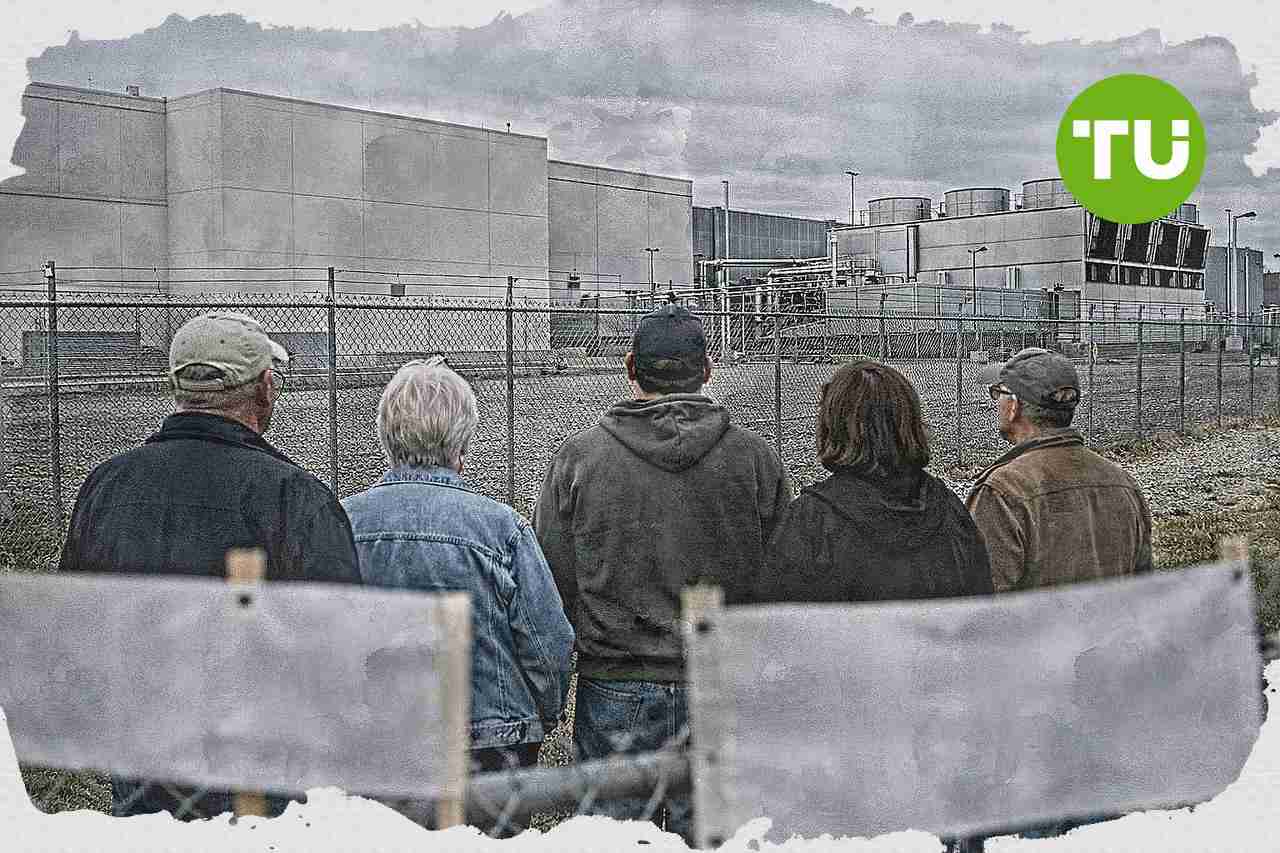
This creates new conflicts. Local communities are increasingly opposing the construction of new data centers, fearing overloaded power grids and rising tariffs. In several states, data center projects have already been delayed or canceled due to pressure from residents and lawmakers.
A notable example is the city of Monterey Park in California. There, residents opposed the construction of a large data center near residential areas, stating it could put additional strain on the power system and degrade quality of life through noise and backup diesel generators. After a series of public hearings and protests, city authorities were forced to review the project and impose a temporary moratorium on further construction of such facilities.
Similar conflicts are becoming more frequent as AI infrastructure grows rapidly, and its impact on local energy systems is felt primarily by communities.
It was against this backdrop that the idea for the agreement between the government and technology companies emerged.
The signed agreement represents much more than just a political gesture. Technology companies have effectively agreed to finance new sources of electricity generation for their data centers.
Companies may invest in building new power plants, expanding existing capacities, or modernizing power grids. It is also expected that they will pay for upgrades to electricity transmission facilities.
Effectively, this means the emergence of a separate energy infrastructure for artificial intelligence. Tech giants are beginning to act as investors in electricity production rather than just large consumers.
Only a few years ago, energy policy barely intersected with AI development. Today, these two industries are becoming increasingly intertwined.
However, even if tech giants are ready to pay for the new generation, it does not mean the problem will be solved quickly.
Building power plants and new grids takes years. The demand for AI computing power is growing much faster. As a result, power grids may remain under pressure for a long time.
Additionally, a discussion continues in the U.S. about which energy sources should power the new data centers. The Donald Trump administration is betting on increasing generation from natural gas and other fossil sources. Critics believe it would be faster to develop solar and wind energy.
But regardless of the source of electricity, the key problem remains the same: demand from AI could grow faster than the energy system's ability to build new capacity.
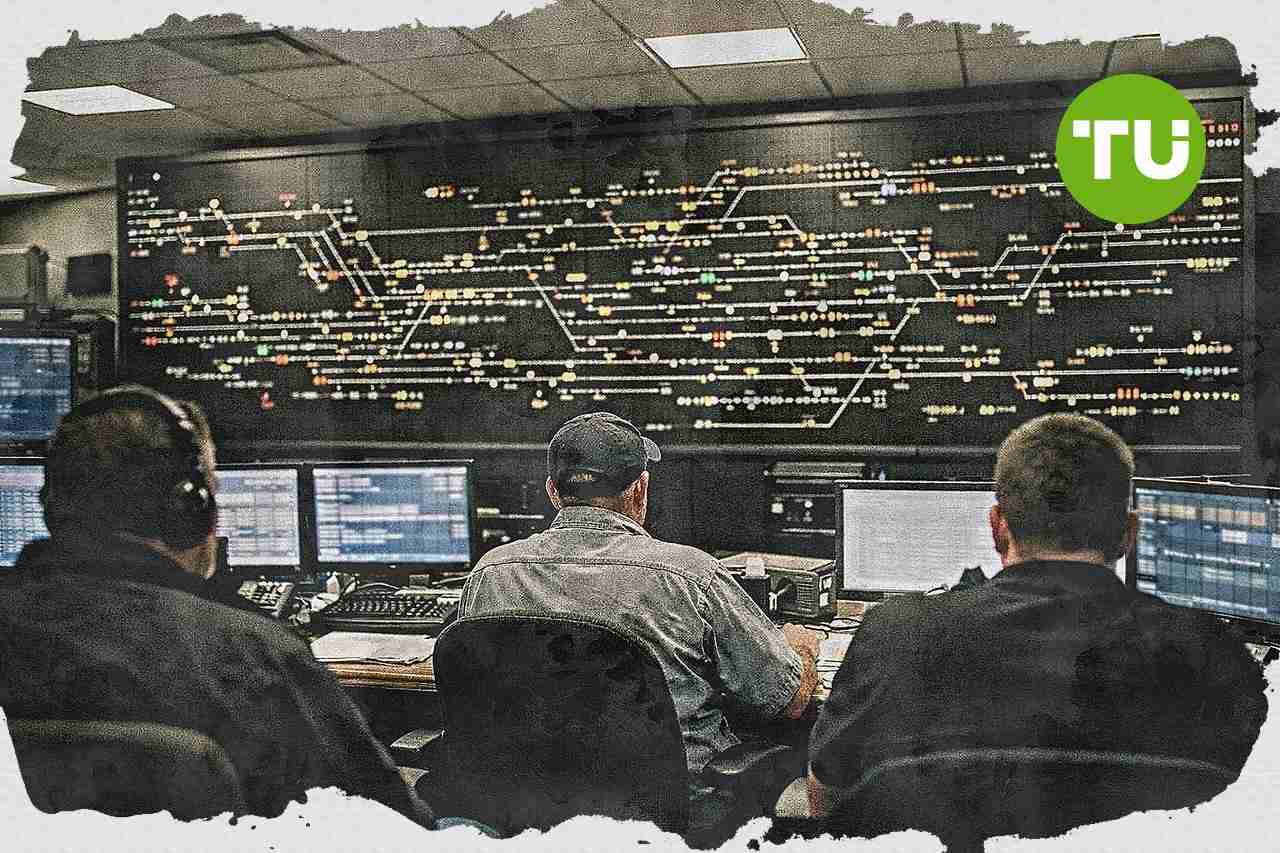
The entire situation shows that artificial intelligence is no longer just a software technology. Behind the beautiful interfaces of chatbots stands a massive physical infrastructure: data centers, servers, cooling systems, power lines, and power plants. And the faster AI develops, the more this infrastructure resembles classic heavy industry.
In this sense, the White House agreement may be just the beginning of a broader process. If the demand for computing power continues to grow at current rates, technology companies will invest more actively in energy.

 Afghanistan
 Albania
 Algeria
 Angola
 Argentina
 Armenia
 Australia
 Austria
 Azerbaijan
 Bahamas
 Bahrain
 Bangladesh
 Belarus
 Belgium
 Bolivia
 Botswana
 Brazil
 Brunei
 Bulgaria
 Cambodia
 Cameroon
 Canada
 Chile
Chile
 China
China
 Colombia
 Congo
Congo
 Costa Rica
 Cote d'Ivoire
 Croatia
 Cuba
Cuba
 Cyprus
 Czechia
 DR Congo
 Denmark
 Dominican Republic
 Ecuador
 Egypt
Egypt
 El Salvador
 Estonia
 Eswatini
 Ethiopia
 Finland
 France
 Georgia
 Germany
 Ghana
Ghana
 Greece
 Haiti
Haiti
 Hong Kong
 Hungary
 India
India
 Indonesia
 Iran, Islamic republic
 Iraq
Iraq
 Ireland
 Israel
 Italy
Italy
 Jamaica
 Japan
Japan
 Jordan
 Kazakhstan
 Kenya
Kenya
 Korea
Korea
 Kuwait
 Kyrgyzstan
 Laos
Laos
 Latvia
 Lebanon
 Lesotho
 Libya
Libya
 Lithuania
 Luxembourg
 Madagascar
 Malaysia
 Malta
Malta
 Mauritius
 Mexico
 Moldova
 Mongolia
 Montenegro
 Morocco
 Mozambique
 Myanmar
 Namibia
 Nepal
Nepal
 Netherlands
 New Zealand
 Nigeria
 North Macedonia
 Norway
 Oman
Oman
 Pakistan
 Palestine
 Panama
 Papua New Guinea
 Paraguay
 Peru
Peru
 Philippines
 Poland
 Portugal
 Puerto Rico
 Qatar
Qatar
 Reunion
 Romania
 Rwanda
 Saudi Arabia
 Serbia
 Singapore
 Slovakia
 Slovenia
 Somalia
 South Africa
 Spain
Spain
 Sri Lanka
 Sweden
 Switzerland
 Syria
Syria
 Taiwan
 Tajikistan
 Tanzania
 Thailand
 Trinidad and Tobago
 Tunisia
 Turkey
 UAE
UAE
 Uganda
 Ukraine
 United Kingdom
United States
United Kingdom
United States
 Uruguay
 Uzbekistan
 Venezuela
 Vietnam
 Yemen
Yemen
 Zambia
 Zimbabwe