The tweet was deleted by the author.
But we saved everything 🙂.


Samsung is posting record profits amid the global artificial intelligence boom. Demand for chips is rising, while the world’s largest companies are investing billions in AI development. But is that enough for the South Korean company to become a leader in the new technology race?
Samsung Electronics has released preliminary financial results for the third quarter of 2026. The company’s operating profit reached $80.1 billion, nearly nine times higher than a year earlier. Revenue rose 127% to $145.5 billion, according to CNBC.
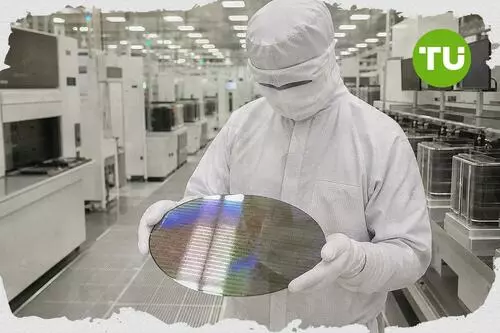
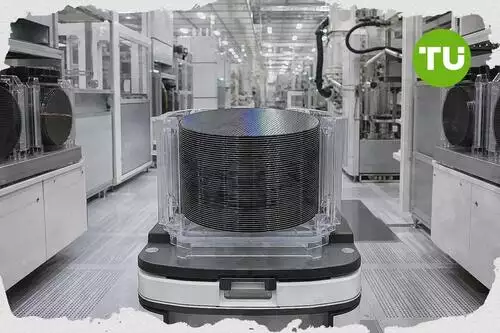
The main driver of growth was demand for memory chips used in artificial intelligence. These components are used in data centers that run AI models. High-bandwidth memory, or HBM, is particularly important because it is installed alongside graphics processors made by Nvidia and other AI accelerator manufacturers. It enables the rapid transfer of the huge volumes of data needed to train and run neural networks.
View post on X Loading...
The second quarter was also a record period for Samsung. Revenue reached about $128 billion, while operating profit stood at $66.8 billion. That means the company increased operating profit by roughly $13.3 billion in just one quarter.
However, even these results fell short of analysts’ expectations. After the preliminary report was released, Samsung shares fell by more than 2% on the Seoul stock exchange. Investors had expected even stronger figures amid massive spending by technology companies on AI infrastructure.
Results for Samsung’s individual business divisions are not yet available. The company plans to publish its full financial report, including a breakdown by division, on October 29.
Despite record profits, Samsung still trails competitors in advanced memory chips for AI. Its main rival is South Korea’s SK Hynix, which moved earlier to establish mass HBM shipments for Nvidia accelerators. U.S.-based Micron is also expanding production and competing for contracts with the world’s largest technology companies.
View post on X Loading...
Samsung hopes to close the gap with next-generation HBM4 memory. Citigroup analysts expect prices for 12-layer HBM4 chips to rise by 100–150% in 2027. The company is also expanding production capacity to increase output and secure more orders from AI hardware developers.
In September, Samsung announced a strategic partnership with French AI developer Mistral AI. Its models are expected to be deployed across Samsung facilities, including semiconductor production. AI is intended to help automate manufacturing processes and handle internal engineering tasks.
Another part of Samsung’s strategy is to put AI directly into devices used by hundreds of millions of people. The company can leverage the scale of its smartphone, television and home appliance businesses rather than relying only on component sales to data centers.
Galaxy AI plays a central role in smartphones. On compatible devices, artificial intelligence can translate phone calls, transcribe audio recordings, edit photos and search for information using images. Some functions run directly on the device, while others require an internet connection.
View post on X Loading...
Samsung also uses AI in home appliances to automate everyday tasks. Washing machines, for example, can adjust washing settings based on the load, while refrigerators equipped with cameras can recognize certain foods and help create shopping lists. In televisions, AI is used to improve picture and sound quality.
In July, Samsung management said the number of devices with Galaxy AI should reach 800 million by the end of 2026. The company also expanded AI agent capabilities in the Galaxy S26 lineup. In addition to its own Bixby assistant, users can access Google Gemini and Perplexity to search for information, manage settings and perform actions inside apps.
Record profits show that Samsung is already benefiting from the AI boom, but the race itself is still gaining momentum. The next stage will depend on whether the company can turn growing demand for memory into a sustainable position in the market for next-generation chips.
At the same time, Samsung is competing on two fronts. It sells components for AI infrastructure while also integrating artificial intelligence into its own devices. If both businesses begin delivering significant returns at the same time, the company could gain an advantage that chipmakers focused only on components do not have.



 Afghanistan
 Albania
 Algeria
 Angola
 Argentina
 Armenia
 Australia
 Austria
 Azerbaijan
 Bahamas
 Bahrain
 Bangladesh
 Belarus
 Belgium
 Bolivia
 Botswana
 Brazil
 Brunei
 Bulgaria
 Cambodia
 Cameroon
 Canada
 Chile
 China
 Colombia
 Congo
 Costa Rica
 Cote d'Ivoire
 Croatia
 Cuba
 Cyprus
 Czechia
 DR Congo
 Denmark
 Dominican Republic
 Ecuador
 Egypt
 El Salvador
 Estonia
 Eswatini
 Ethiopia
 Finland
 France
 Georgia
 Germany
 Ghana
 Greece
 Haiti
 Hong Kong
 Hungary
 India
 Indonesia
 Iran, Islamic republic
 Iraq
 Ireland
 Israel
 Italy
 Jamaica
 Japan
 Jordan
 Kazakhstan
 Kenya
 Korea
 Kuwait
 Kyrgyzstan
 Laos
 Latvia
 Lebanon
 Lesotho
 Libya
 Lithuania
 Luxembourg
 Madagascar
 Malaysia
 Malta
 Mauritius
 Mexico
 Moldova
 Mongolia
 Montenegro
 Morocco
 Mozambique
 Myanmar
 Namibia
 Nepal
 Netherlands
 New Zealand
 Nigeria
 North Macedonia
 Norway
 Oman
 Pakistan
 Palestine
 Panama
 Papua New Guinea
 Paraguay
 Peru
 Philippines
 Poland
 Portugal
 Puerto Rico
 Qatar
 Reunion
 Romania
 Rwanda
 Saudi Arabia
 Serbia
 Singapore
 Slovakia
 Slovenia
 Somalia
 South Africa
 Spain
 Sri Lanka
 Sweden
 Switzerland
 Syria
 Taiwan
 Tajikistan
 Tanzania
 Thailand
 Trinidad and Tobago
 Tunisia
 Turkey
 UAE
 Uganda
 Ukraine
 United Kingdom
United States
 Uruguay
 Uzbekistan
 Venezuela
 Vietnam
 Yemen
 Zambia
 Zimbabwe