
The tweet was deleted by the author.
But we saved everything 🙂.
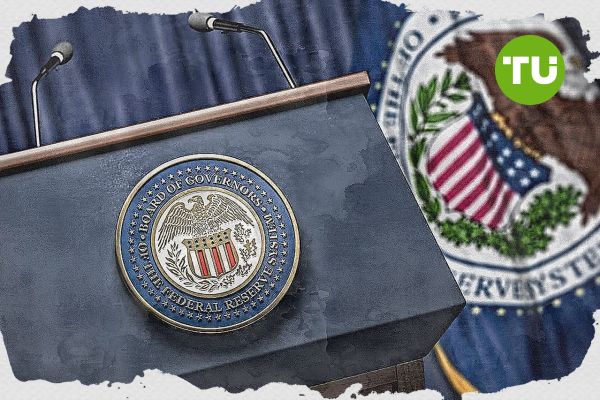
The presidential administration is preparing to choose the next Chair of the Federal Reserve — a decision that could reshape U.S. monetary policy and set the tone for the entire market of risk assets. The shortlist now includes both traditional economists and figures with close ties to the digital asset industry. This makes the question of who will head the regulator especially significant for the crypto market — from interest rate dynamics to oversight of exchanges, stablecoins, and banking services.
For the crypto market, this is more than just policy news from Washington. Monetary policy directly influences risk appetite, access to capital, the functioning of exchanges, and even how regulators interpret stablecoins and custodial services. A more accommodative Fed typically boosts interest in digital assets, while higher rates and stricter oversight can cool the market quickly.
That is why investors are focusing on the list of contenders, which for the first time in years includes figures with direct experience in the cryptocurrency sector. A change in leadership could mark the boundary between a conservative status quo and a more open approach to innovation within the U.S. financial infrastructure.
Hassett is a former presidential advisor, ex-chair of the Council of Economic Advisers, and a figure who worked within various Federal Reserve structures over the years. His views on monetary policy are noticeably more dovish than those of part of the current Fed leadership: he openly supports a faster pace of rate cuts and a return to more accessible lending. For traditional markets, this implies a weaker dollar; for risk assets, it means additional breathing room.
His ties to the crypto industry are atypical for a potential Fed Chair. Hassett has advised the exchange Coinbase and reported owning its stock valued between $1–5 million. In addition, he led the White House working group on digital assets, effectively making him one of the few high-level officials who directly engaged with crypto market regulation.
Against this backdrop, the crypto community is already viewing Hassett as a potentially crypto-friendly choice. Discussions on social media highlight that his appointment could result in faster rate cuts and a softer regulatory approach toward digital assets. For parts of the market, this looks like an opportunity for a more supportive macro environment and clearer rules for the industry.
Potentially, his approach could indeed shift policy toward a more liberal stance on stablecoins, banking access for crypto companies, and on-chain payments. At the same time, questions about conflicts of interest remain: some experts argue that such close ties to a major crypto player may become a stumbling block during confirmation.
Christopher Waller is a current member of the Federal Reserve Board of Governors. He represents the classic "hawkish" school that prioritizes price stability over stimulating growth. His approach would mean a slower pace of rate cuts and minimal experimentation in financial regulation. For the crypto market, this is a scenario of cautious neutrality: neither hostile nor openly supportive.
Kevin Warsh, a former Fed governor, is frequently mentioned during transitions between administrations. He has a reputation as an advocate of tight monetary policy and a critic of what he sees as excessive liquidity. Under his leadership, the crypto market would be unlikely to see a dovish stance toward risk assets or stablecoins.
Michelle Bowman, a member of the Board of Governors, focuses on oversight of banks and regional financial institutions. Her approach to digital assets is cautious, with a strong emphasis on risks to traditional financial structures. If she were to lead the Fed, macro policy would remain close to the current status quo.
Rick Rieder, BlackRock’s head of global fixed income, is sometimes mentioned in the context of new economic appointments. Despite his extensive market experience, he does not have a defined crypto profile. His nomination would signal a pragmatic but restrained course, with new fintech solutions evaluated primarily through the lens of capital-market risks.
All of these contenders represent a path in which the Federal Reserve remains more conservative and distanced from the digital asset industry. Their appointment would reduce market expectations of a rapid return to "cheap money" and limit the crypto sector’s hopes for a more accommodating regulatory environment.
For the crypto sector, this creates two very different trajectories. More liberal contenders could ease regulatory pressure, allow liquidity to return to risk assets more quickly, and create clearer rules for stablecoins and banking services connected to crypto. Conservative candidates, by contrast, would keep the framework largely unchanged, maintaining strict oversight and heightened caution shaped by the crises of recent years.
Until an official decision is made, the market is balancing between these scenarios. Investors are tracking not only the names of the contenders but also political signals from Washington — the expected timing of the announcement, White House comments, and the rhetoric of the Board of Governors. The appointment of the new Fed Chair will determine whether the crypto market in 2025 receives an additional boost or continues moving within a cautious regulatory regime.

 Afghanistan
 Albania
 Algeria
 Angola
 Argentina
 Armenia
 Australia
 Austria
 Azerbaijan
 Bahamas
 Bahrain
 Bangladesh
 Belarus
 Belgium
 Bolivia
 Botswana
 Brazil
 Brunei
 Bulgaria
 Cambodia
 Cameroon
 Canada
 Chile
Chile
 China
China
 Colombia
 Congo
Congo
 Costa Rica
 Cote d'Ivoire
 Croatia
 Cuba
Cuba
 Cyprus
 Czechia
 DR Congo
 Denmark
 Dominican Republic
 Ecuador
 Egypt
Egypt
 El Salvador
 Estonia
 Eswatini
 Ethiopia
 Finland
 France
 Georgia
 Germany
 Ghana
Ghana
 Greece
 Haiti
Haiti
 Hong Kong
 Hungary
 India
India
 Indonesia
 Iran, Islamic republic
 Iraq
Iraq
 Ireland
 Israel
 Italy
Italy
 Jamaica
 Japan
Japan
 Jordan
 Kazakhstan
 Kenya
Kenya
 Korea
Korea
 Kuwait
 Kyrgyzstan
 Laos
Laos
 Latvia
 Lebanon
 Lesotho
 Libya
Libya
 Lithuania
 Luxembourg
 Madagascar
 Malaysia
 Malta
Malta
 Mauritius
 Mexico
 Moldova
 Mongolia
 Montenegro
 Morocco
 Mozambique
 Myanmar
 Namibia
 Nepal
Nepal
 Netherlands
 New Zealand
 Nigeria
 North Macedonia
 Norway
 Oman
Oman
 Pakistan
 Palestine
 Panama
 Papua New Guinea
 Paraguay
 Peru
Peru
 Philippines
 Poland
 Portugal
 Puerto Rico
 Qatar
Qatar
 Reunion
 Romania
 Rwanda
 Saudi Arabia
 Serbia
 Singapore
 Slovakia
 Slovenia
 Somalia
 South Africa
 Spain
Spain
 Sri Lanka
 Sweden
 Switzerland
 Syria
Syria
 Taiwan
 Tajikistan
 Tanzania
 Thailand
 Trinidad and Tobago
 Tunisia
 Turkey
 UAE
UAE
 Uganda
 Ukraine
 United Kingdom
United States
United Kingdom
United States
 Uruguay
 Uzbekistan
 Venezuela
 Vietnam
 Yemen
Yemen
 Zambia
 Zimbabwe