
BlackRock: Tokenization to unify traditional finance and digital assets
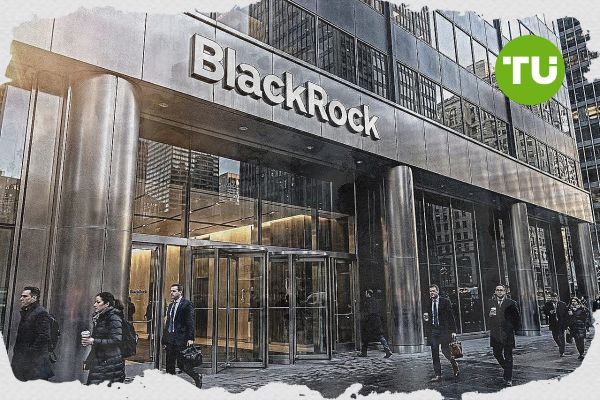
Former crypto skeptic Larry Fink and BlackRock COO Rob Goldstein said tokenization will act as a bridge between traditional finance and the digital asset industry.
In a joint opinion piece published Monday in The Economist, the executives argued that tokenization will not replace the current financial system anytime soon but will instead merge both worlds.
They described the process as two sides of a river converging — one side being traditional institutions, the other digital-first innovators such as stablecoin issuers, fintech firms, and public blockchains. According to the pair, these groups are “not competing so much as learning to interoperate.” Eventually, they predict investors will no longer separate portfolios into traditional assets and crypto holdings. Instead, all asset classes may one day be bought, sold, and held through a single digital wallet.
Traditional finance now sees tokenization’s real value
Fink and Goldstein acknowledged that early skepticism was rooted in tokenization being swept up in the speculative crypto boom. But they said the core technology has proven capable of expanding the investable universe far beyond publicly listed stocks and bonds. They emphasized that tokenization can make illiquid assets—such as real estate, credit instruments, and private funds—far more accessible.
BlackRock itself already operates the world’s largest tokenized cash management fund, the $2.8 billion BUIDL liquidity fund launched in March 2024. This product serves as an example of how established institutions are increasingly using blockchain infrastructure for real-world financial operations. The executives said the industry is now seeing what was “hiding beneath the hype,” pointing to tokenization’s potential to reshape capital markets over the long term.
Regulators urged to build rules that integrate tokenized markets
Fink and Goldstein also stressed that tokenization must develop within a safe and consistent regulatory framework. They called on policymakers to modernize existing rules so traditional markets and tokenized assets can operate together seamlessly. The pair compared tokenization’s trajectory to the evolution of bond ETFs, which connected dealer-driven fixed income markets with public exchanges and improved liquidity.
With spot Bitcoin ETFs now trading on traditional exchanges, they argued that a similar integration is happening between crypto and mainstream finance. Their core message: regulators should assess risk based on the underlying asset, not the technology used to package it. As they put it, “A bond is still a bond, even if it lives on a blockchain.”
Recently we wrote that X Money, the digital wallet and financial layer of Elon Musk’s ambitious super app vision, is seeking a technical leader to help develop a “new payment platform” designed to serve more than 600 million monthly users.


Latest BlackRock News






-
 Afghanistan
-
 Albania
-
 Algeria
-
 Angola
-
 Argentina
-
 Armenia
-
 Australia
-
 Austria
-
 Azerbaijan
-
 Bahamas
-
 Bahrain
-
 Bangladesh
-
 Belarus
-
 Belgium
-
 Bolivia
-
 Botswana
-
 Brazil
-
 Brunei
-
 Bulgaria
-
 Cambodia
-
 Cameroon
-
 Canada
-
 Chile
Chile
-
 China
China
-
 Colombia
-
 Congo
Congo
-
 Costa Rica
-
 Cote d'Ivoire
-
 Croatia
-
 Cuba
Cuba
-
 Cyprus
-
 Czechia
-
 DR Congo
-
 Denmark
-
 Dominican Republic
-
 Ecuador
-
 Egypt
Egypt
-
 El Salvador
-
 Estonia
-
 Eswatini
-
 Ethiopia
-
 Finland
-
 France
-
 Georgia
-
 Germany
-
 Ghana
Ghana
-
 Greece
-
 Haiti
Haiti
-
 Hong Kong
-
 Hungary
-
 India
India
-
 Indonesia
-
 Iran, Islamic republic
-
 Iraq
Iraq
-
 Ireland
-
 Israel
-
 Italy
Italy
-
 Jamaica
-
 Japan
Japan
-
 Jordan
-
 Kazakhstan
-
 Kenya
Kenya
-
 Korea
Korea
-
 Kuwait
-
 Kyrgyzstan
-
 Laos
Laos
-
 Latvia
-
 Lebanon
-
 Lesotho
-
 Libya
Libya
-
 Lithuania
-
 Luxembourg
-
 Madagascar
-
 Malaysia
-
 Malta
Malta
-
 Mauritius
-
 Mexico
-
 Moldova
-
 Mongolia
-
 Montenegro
-
 Morocco
-
 Mozambique
-
 Myanmar
-
 Namibia
-
 Nepal
Nepal
-
 Netherlands
-
 New Zealand
-
 Nigeria
-
 North Macedonia
-
 Norway
-
 Oman
Oman
-
 Pakistan
-
 Palestine
-
 Panama
-
 Papua New Guinea
-
 Paraguay
-
 Peru
Peru
-
 Philippines
-
 Poland
-
 Portugal
-
 Puerto Rico
-
 Qatar
Qatar
-
 Reunion
-
 Romania
-
 Rwanda
-
 Saudi Arabia
-
 Serbia
-
 Singapore
-
 Slovakia
-
 Slovenia
-
 Somalia
-
 South Africa
-
 Spain
Spain
-
 Sri Lanka
-
 Sweden
-
 Switzerland
-
 Syria
Syria
-
 Taiwan
-
 Tajikistan
-
 Tanzania
-
 Thailand
-
 Trinidad and Tobago
-
 Tunisia
-
 Turkey
-
 UAE
UAE
-
 Uganda
-
 Ukraine
-
 United Kingdom
-
United States
-
 Uruguay
-
 Uzbekistan
-
 Venezuela
-
 Vietnam
-
 Yemen
Yemen
-
 Zambia
-
 Zimbabwe
- Forex
- Crypto











