
Tesla stock drops below $460 as supplier slashes battery materials contract 99%
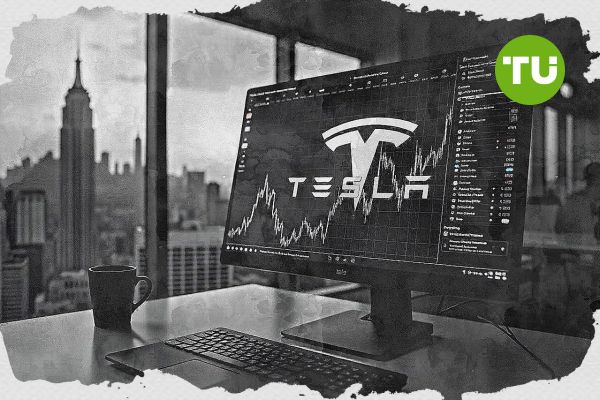
As of December 30, Tesla stock is trading at $457.28, down 3.8% in the last 24 hours. This marks a key technical inflection point as the stock now trades below both its 20-day and 50-day moving averages, signaling a short-term bearish bias.
Highlights
- Tesla shares dropped 3.8% to $457.28 after L&F cut its battery materials contract by 99%, citing Cybertruck-related issues.
- Technical indicators show weakening momentum, with support near $450 and resistance at $500.
- The stock is likely to remain range-bound or drift lower unless production concerns are resolved.
Resistance now stands firm at the $500 round number—a psychologically significant level that Tesla has failed to hold on multiple occasions this quarter. The $480–490 range is seeing increasing volume resistance, confirming that institutional appetite may be fading near those levels. Momentum indicators such as RSI are trending lower, currently around 42, suggesting weakening bullish conviction. Meanwhile, the MACD has turned negative, supporting the view that the stock may see further selling pressure in the near term.
The technical structure now reflects a transition from a high-momentum rally to a consolidation phase, with risk skewed slightly to the downside. Short-term traders may be eyeing the 100-day moving average near $440 as the next defensive line before sentiment deteriorates further. A sustained break below this level could trigger automated selling and momentum-driven downside, potentially accelerating the correction.

Tesla stock price dynamics (October 2025 - December 2025). Source: TradingView
Additionally, options market data shows a build-up of open interest around the $450 strike, indicating that traders are positioning for further near-term volatility. Implied volatility remains elevated compared to historical averages, which suggests heightened uncertainty and potential for sharp moves in either direction. Until Tesla reclaims the $500 level with volume confirmation, upside conviction will likely remain limited.
Supplier fallout underscores Cybertruck production struggles
Tesla is facing renewed scrutiny after South Korean battery materials supplier L&F announced a dramatic 99% cut to its contract value with the EV giant. Originally worth approximately 3.8 trillion won, the revised contract now stands at just 42.1 billion won—a token figure that highlights the scale of disruption. According to L&F, the reduction stems from the collapse of anticipated orders related to Tesla’s 4680 battery cells, which are central to the Cybertruck platform. This development suggests serious bottlenecks in Tesla’s next-generation battery ramp and weak demand for Cybertruck units.
The news comes on the heels of mounting concerns about Cybertruck delivery delays, software bugs, and production ramp issues. Tesla has delivered only a limited number of Cybertrucks since its November 2023 launch, and industry checks suggest that the Austin Gigafactory is producing well below its internal targets. This has created a confidence gap among suppliers, some of whom now question the viability of high-volume Cybertruck production in 2026.
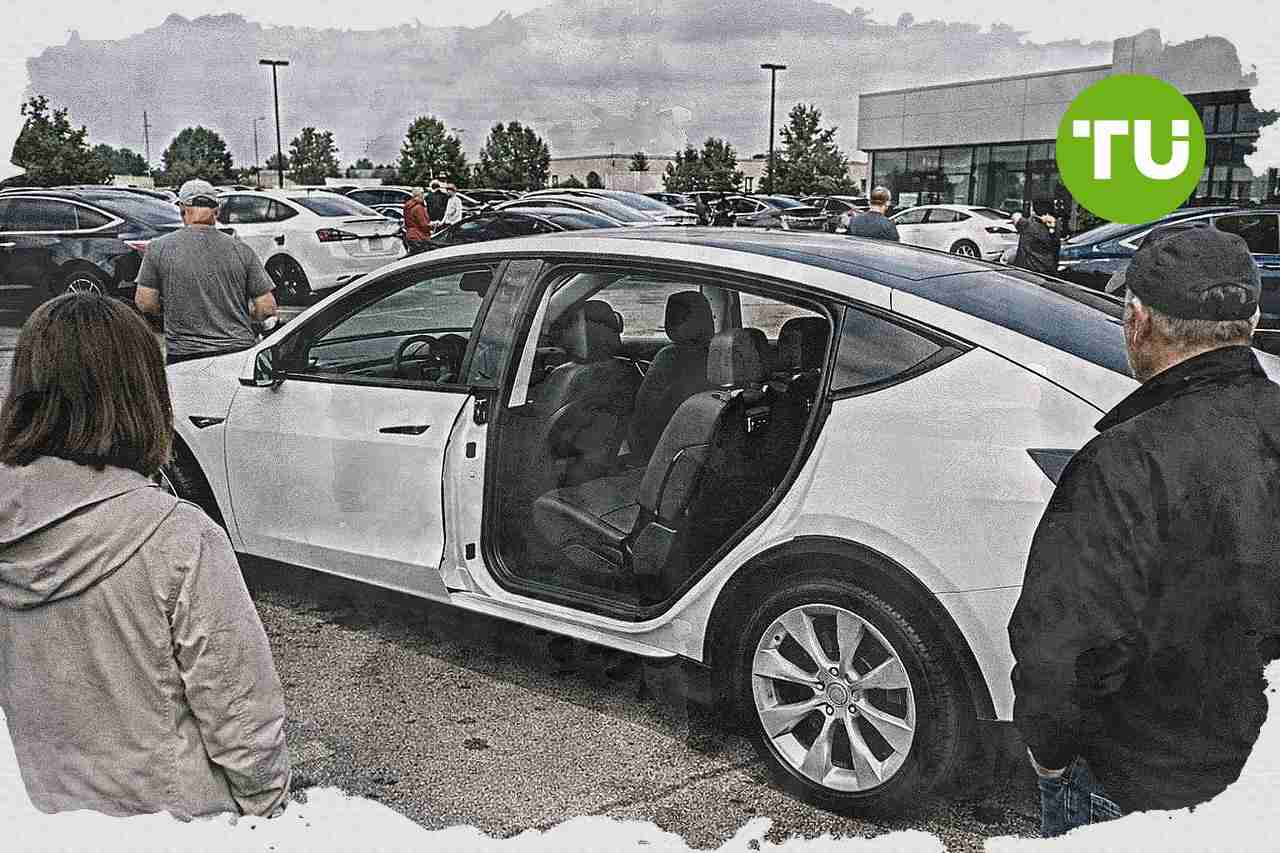
Adding to Tesla’s troubles, the NHTSA recently opened an investigation into the Model 3 over a potential defect that could cause doors to open unexpectedly during crashes. While not directly related to recent stock moves, the probe adds to an accumulation of negative headlines around Tesla’s quality control, especially in the U.S. market.
Range-bound to bearish into Q1 2026
In the short term, Tesla stock is likely to remain range-bound, with a bias toward the downside. If selling persists into early January, a break below $450 could open a path to $430, followed by $410 if macro conditions worsen. Risk factors include further weakness in Cybertruck production, additional supplier exits, or a broader risk-off tone in equity markets.
In a base-case scenario, Tesla could stabilize between $455 and $480, supported by investor enthusiasm around its AI software stack, Full Self-Driving (FSD) expansion, and Optimus robotics. Any positive surprise from January’s delivery numbers or a production update could provide a short-term bounce back to the $490–500 level.
Tesla's robotaxi rollout in Austin has lagged significantly behind Waymo, with only 30 monitored vehicles compared to Waymo’s 200 fully driverless units offering paid rides. Despite investor optimism, Tesla’s limited deployment and reliance on a vision-only system highlight its struggle to compete with more advanced rivals in the autonomous ride-hailing race.





Latest Tesla News




-
 Afghanistan
-
 Albania
-
 Algeria
-
 Angola
-
 Argentina
-
 Armenia
-
 Australia
-
 Austria
-
 Azerbaijan
-
 Bahamas
-
 Bahrain
-
 Bangladesh
-
 Belarus
-
 Belgium
-
 Bolivia
-
 Botswana
-
 Brazil
-
 Brunei
-
 Bulgaria
-
 Cambodia
-
 Cameroon
-
 Canada
-
 Chile
Chile
-
 China
China
-
 Colombia
-
 Congo
Congo
-
 Costa Rica
-
 Cote d'Ivoire
-
 Croatia
-
 Cuba
Cuba
-
 Cyprus
-
 Czechia
-
 DR Congo
-
 Denmark
-
 Dominican Republic
-
 Ecuador
-
 Egypt
Egypt
-
 El Salvador
-
 Estonia
-
 Eswatini
-
 Ethiopia
-
 Finland
-
 France
-
 Georgia
-
 Germany
-
 Ghana
Ghana
-
 Greece
-
 Haiti
Haiti
-
 Hong Kong
-
 Hungary
-
 India
India
-
 Indonesia
-
 Iran, Islamic republic
-
 Iraq
Iraq
-
 Ireland
-
 Israel
-
 Italy
Italy
-
 Jamaica
-
 Japan
Japan
-
 Jordan
-
 Kazakhstan
-
 Kenya
Kenya
-
 Korea
Korea
-
 Kuwait
-
 Kyrgyzstan
-
 Laos
Laos
-
 Latvia
-
 Lebanon
-
 Lesotho
-
 Libya
Libya
-
 Lithuania
-
 Luxembourg
-
 Madagascar
-
 Malaysia
-
 Malta
Malta
-
 Mauritius
-
 Mexico
-
 Moldova
-
 Mongolia
-
 Montenegro
-
 Morocco
-
 Mozambique
-
 Myanmar
-
 Namibia
-
 Nepal
Nepal
-
 Netherlands
-
 New Zealand
-
 Nigeria
-
 North Macedonia
-
 Norway
-
 Oman
Oman
-
 Pakistan
-
 Palestine
-
 Panama
-
 Papua New Guinea
-
 Paraguay
-
 Peru
Peru
-
 Philippines
-
 Poland
-
 Portugal
-
 Puerto Rico
-
 Qatar
Qatar
-
 Reunion
-
 Romania
-
 Rwanda
-
 Saudi Arabia
-
 Serbia
-
 Singapore
-
 Slovakia
-
 Slovenia
-
 Somalia
-
 South Africa
-
 Spain
Spain
-
 Sri Lanka
-
 Sweden
-
 Switzerland
-
 Syria
Syria
-
 Taiwan
-
 Tajikistan
-
 Tanzania
-
 Thailand
-
 Trinidad and Tobago
-
 Tunisia
-
 Turkey
-
 UAE
UAE
-
 Uganda
-
 Ukraine
-
 United Kingdom
-
United States
-
 Uruguay
-
 Uzbekistan
-
 Venezuela
-
 Vietnam
-
 Yemen
Yemen
-
 Zambia
-
 Zimbabwe
- Forex
- Crypto











