Silver prices set to stay elevated as China clamps down on exports
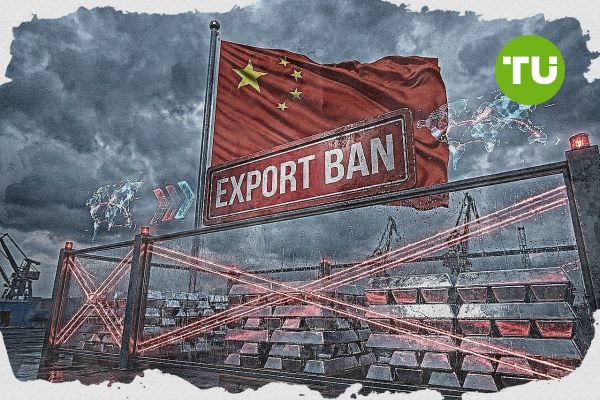
China’s decision to impose a special two-year licensing regime on silver exports is expected to significantly constrain global supply and keep prices elevated into 2026.
Highlights
- China’s new two-year export licensing regime is set to tighten global silver supply and keep prices elevated into 2026.
- Analysts warn restrictions could widen China-global price gaps and push silver prices up as much as 30% worldwide.
- Rising industrial demand and geopolitics are reframing silver as a strategic metal, not just a precious asset.
Starting Thursday, exporters will need government approval, replacing a quota system that had been in place for more than two decades. While Beijing frames the move as environmental and resource protection, market participants see it as a strategic tightening that limits overseas access to the metal. Analysts warn that stricter eligibility rules — including proven export history and high production thresholds — will sharply narrow the pool of approved exporters. With China being a key producer and refiner, any bottleneck is likely to ripple through global markets. The restrictions arrive after a year of extreme volatility, during which silver briefly surged above $80 an ounce. Many observers now view the policy as a structural shift rather than a temporary intervention.
Analysts warn of price upside outside China
Market watchers say the new licensing system could drive a widening price gap between domestic Chinese markets and international benchmarks. Joseph Dahrieh of Tickmill noted that only 44 firms qualified for export approval for 2026–27, adding friction and concentrating supply control. This could increase silver availability inside China while tightening supply abroad, especially in the US and Europe. The effect is already visible in the so-called Shanghai premium, where silver trades $5–$10 per ounce above Comex prices.
According to commodities analyst Anton Kharitonov, the impact could be even more pronounced. “If China applies these export rules strictly, we could easily see a 30% rise in global silver prices over the next 12 months,” Kharitonov said, citing constrained exports and surging industrial demand. He added that silver is becoming “one of the most geopolitically sensitive metals in the market.”
Industrial demand and geopolitics fuel bullish outlook
The timing of China’s move is particularly sensitive, as silver demand from photovoltaics, artificial intelligence infrastructure, and electric vehicles continues to climb. The United States, a major silver importer, recently added the metal to its critical minerals list, underscoring its strategic importance. Elon Musk publicly criticized the restrictions, warning that silver is essential for many industrial processes. Economists such as Alicia Garcia-Herrero argue the policy is designed to prioritize China’s domestic solar and EV sectors, even if it strains foreign supply chains.
While some risks remain — including potential US tariffs, strong dollar dynamics, and technological substitution — the broader outlook remains constructive. Kharitonov believes silver is entering a new pricing regime rather than a speculative spike. “This is no longer just a precious metal rally,” he said. “Silver is being repriced as a strategic industrial asset heading into 2026.”
Recently we wrote that Silver is opening 2026 with renewed momentum, trading near $75.8 on Monday after a sharp rally that has pushed prices back toward recent highs.


Latest Silver News



-
 Afghanistan
-
 Albania
-
 Algeria
-
 Angola
-
 Argentina
-
 Armenia
-
 Australia
-
 Austria
-
 Azerbaijan
-
 Bahamas
-
 Bahrain
-
 Bangladesh
-
 Belarus
-
 Belgium
-
 Bolivia
-
 Botswana
-
 Brazil
-
 Brunei
-
 Bulgaria
-
 Cambodia
-
 Cameroon
-
 Canada
-
 Chile
Chile
-
 China
China
-
 Colombia
-
 Congo
Congo
-
 Costa Rica
-
 Cote d'Ivoire
-
 Croatia
-
 Cuba
Cuba
-
 Cyprus
-
 Czechia
-
 DR Congo
-
 Denmark
-
 Dominican Republic
-
 Ecuador
-
 Egypt
Egypt
-
 El Salvador
-
 Estonia
-
 Eswatini
-
 Ethiopia
-
 Finland
-
 France
-
 Georgia
-
 Germany
-
 Ghana
Ghana
-
 Greece
-
 Haiti
Haiti
-
 Hong Kong
-
 Hungary
-
 India
India
-
 Indonesia
-
 Iran, Islamic republic
-
 Iraq
Iraq
-
 Ireland
-
 Israel
-
 Italy
Italy
-
 Jamaica
-
 Japan
Japan
-
 Jordan
-
 Kazakhstan
-
 Kenya
Kenya
-
 Korea
Korea
-
 Kuwait
-
 Kyrgyzstan
-
 Laos
Laos
-
 Latvia
-
 Lebanon
-
 Lesotho
-
 Libya
Libya
-
 Lithuania
-
 Luxembourg
-
 Madagascar
-
 Malaysia
-
 Malta
Malta
-
 Mauritius
-
 Mexico
-
 Moldova
-
 Mongolia
-
 Montenegro
-
 Morocco
-
 Mozambique
-
 Myanmar
-
 Namibia
-
 Nepal
Nepal
-
 Netherlands
-
 New Zealand
-
 Nigeria
-
 North Macedonia
-
 Norway
-
 Oman
Oman
-
 Pakistan
-
 Palestine
-
 Panama
-
 Papua New Guinea
-
 Paraguay
-
 Peru
Peru
-
 Philippines
-
 Poland
-
 Portugal
-
 Puerto Rico
-
 Qatar
Qatar
-
 Reunion
-
 Romania
-
 Rwanda
-
 Saudi Arabia
-
 Serbia
-
 Singapore
-
 Slovakia
-
 Slovenia
-
 Somalia
-
 South Africa
-
 Spain
Spain
-
 Sri Lanka
-
 Sweden
-
 Switzerland
-
 Syria
Syria
-
 Taiwan
-
 Tajikistan
-
 Tanzania
-
 Thailand
-
 Trinidad and Tobago
-
 Tunisia
-
 Turkey
-
 UAE
UAE
-
 Uganda
-
 Ukraine
-
 United Kingdom
-
United States
-
 Uruguay
-
 Uzbekistan
-
 Venezuela
-
 Vietnam
-
 Yemen
Yemen
-
 Zambia
-
 Zimbabwe
- Forex
- Crypto