

Brent crude tops $90 after Trump demands Iran unconditional surrender
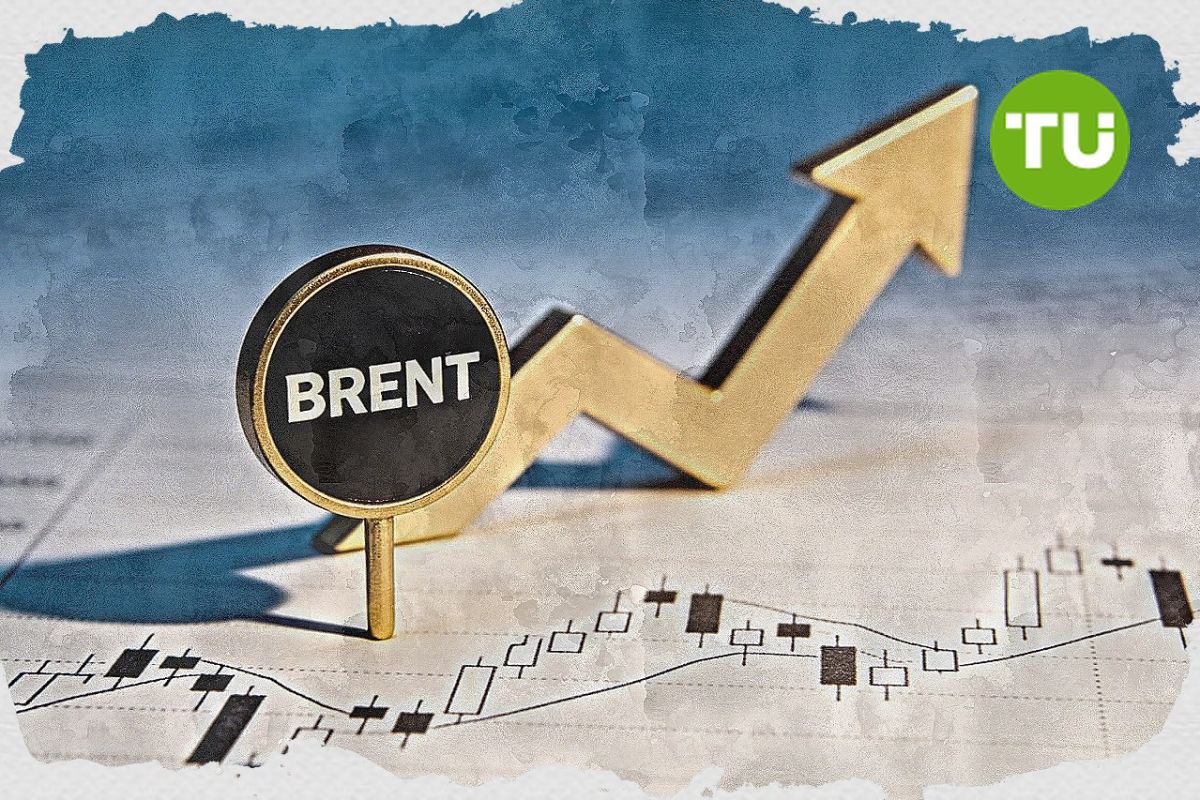
Global oil prices surged as tensions surrounding Iran intensified. Markets reacted to strong statements from U.S. President Donald Trump and growing concerns about potential disruptions to energy supplies through key global trade routes.
Highlights
- Oil Prices Surge: Brent crude surpassed $90 per barrel, while WTI rose above $87 due to escalating tensions in the Middle East, particularly regarding Iran.
- Geopolitical Tensions Drive Prices: President Trump's demand for Iran's unconditional surrender intensified market fears, contributing to the rally in oil prices.
- Risk of Supply Disruptions: The Strait of Hormuz, a key route for oil exports, is under threat, with potential disruptions to global supply.
- Potential for Higher Prices: Energy experts warn that continued tension could push oil prices to $150 per barrel in the coming weeks, significantly impacting global markets.
According to CNBC, Brent crude climbed above $90 per barrel, while U.S. West Texas Intermediate (WTI) rose past $87 per barrel. The price rally followed remarks from President Donald Trump demanding unconditional surrender from Iran, which heightened fears of further escalation in the conflict.
In a post on social media, Trump stated that he would accept no agreement with Tehran other than full surrender, adding that such an outcome could lead to the selection of new leadership that would be acceptable internationally. The statement intensified geopolitical tensions and triggered a strong reaction in energy markets.
Strait of Hormuz becomes a key risk
The main driver behind the surge in oil prices remains the risk of supply disruptions through the Strait of Hormuz, one of the most critical routes in global energy trade. A significant share of oil exports from Gulf countries passes through this narrow maritime corridor.
According to The Financial Times, additional concern emerged after comments from Qatar Energy Minister Saad al-Kaabi, who warned about potential consequences for global energy markets. He indicated that if oil tankers are unable to pass through the Strait of Hormuz, exporters in the Gulf region could be forced to halt production within days.
According to al-Kaabi, such a scenario could push oil prices sharply higher, potentially reaching $150 per barrel in the coming weeks, which could deliver a severe shock to the global economy.
Markets prepare for further price swings
Energy markets remain highly sensitive to developments in the Middle East, where a large share of global oil reserves is concentrated. Any restrictions on shipping routes or threats to energy infrastructure could quickly lead to supply shortages in the global market.
Analysts note that the current rise in prices reflects not only immediate supply risks but also expectations of continued escalation in the conflict. If tensions involving Iran persist or intensify, oil prices could continue climbing.
Potential impact on the global economy
The move of Brent above $90 per barrel is seen as an important signal for global markets. Should the situation deteriorate further and supply disruptions through the Strait of Hormuz occur, prices could accelerate rapidly.
A potential surge toward $150 per barrel, as warned by energy officials, could significantly increase inflationary pressure and slow economic growth across many countries. Under such conditions, markets will closely monitor the development of the conflict and possible responses from major oil producers.
In addition, we wrote that Bank of America warns Iran war may hit Europe and Japan stocks.





Latest Commodities News





-
 Afghanistan
-
 Albania
-
 Algeria
-
 Angola
-
 Argentina
-
 Armenia
-
 Australia
-
 Austria
-
 Azerbaijan
-
 Bahamas
-
 Bahrain
-
 Bangladesh
-
 Belarus
-
 Belgium
-
 Bolivia
-
 Botswana
-
 Brazil
-
 Brunei
-
 Bulgaria
-
 Cambodia
-
 Cameroon
-
 Canada
-
 Chile
Chile
-
 China
China
-
 Colombia
-
 Congo
Congo
-
 Costa Rica
-
 Cote d'Ivoire
-
 Croatia
-
 Cuba
Cuba
-
 Cyprus
-
 Czechia
-
 DR Congo
-
 Denmark
-
 Dominican Republic
-
 Ecuador
-
 Egypt
Egypt
-
 El Salvador
-
 Estonia
-
 Eswatini
-
 Ethiopia
-
 Finland
-
 France
-
 Georgia
-
 Germany
-
 Ghana
Ghana
-
 Greece
-
 Haiti
Haiti
-
 Hong Kong
-
 Hungary
-
 India
India
-
 Indonesia
-
 Iran, Islamic republic
-
 Iraq
Iraq
-
 Ireland
-
 Israel
-
 Italy
Italy
-
 Jamaica
-
 Japan
Japan
-
 Jordan
-
 Kazakhstan
-
 Kenya
Kenya
-
 Korea
Korea
-
 Kuwait
-
 Kyrgyzstan
-
 Laos
Laos
-
 Latvia
-
 Lebanon
-
 Lesotho
-
 Libya
Libya
-
 Lithuania
-
 Luxembourg
-
 Madagascar
-
 Malaysia
-
 Malta
Malta
-
 Mauritius
-
 Mexico
-
 Moldova
-
 Mongolia
-
 Montenegro
-
 Morocco
-
 Mozambique
-
 Myanmar
-
 Namibia
-
 Nepal
Nepal
-
 Netherlands
-
 New Zealand
-
 Nigeria
-
 North Macedonia
-
 Norway
-
 Oman
Oman
-
 Pakistan
-
 Palestine
-
 Panama
-
 Papua New Guinea
-
 Paraguay
-
 Peru
Peru
-
 Philippines
-
 Poland
-
 Portugal
-
 Puerto Rico
-
 Qatar
Qatar
-
 Reunion
-
 Romania
-
 Rwanda
-
 Saudi Arabia
-
 Serbia
-
 Singapore
-
 Slovakia
-
 Slovenia
-
 Somalia
-
 South Africa
-
 Spain
Spain
-
 Sri Lanka
-
 Sweden
-
 Switzerland
-
 Syria
Syria
-
 Taiwan
-
 Tajikistan
-
 Tanzania
-
 Thailand
-
 Trinidad and Tobago
-
 Tunisia
-
 Turkey
-
 UAE
UAE
-
 Uganda
-
 Ukraine
-
 United Kingdom
-
United States
-
 Uruguay
-
 Uzbekistan
-
 Venezuela
-
 Vietnam
-
 Yemen
Yemen
-
 Zambia
-
 Zimbabwe
- Forex
- Crypto












