

Oil prices rise amid U.S.- Iran conflict and Strait of Hormuz risks
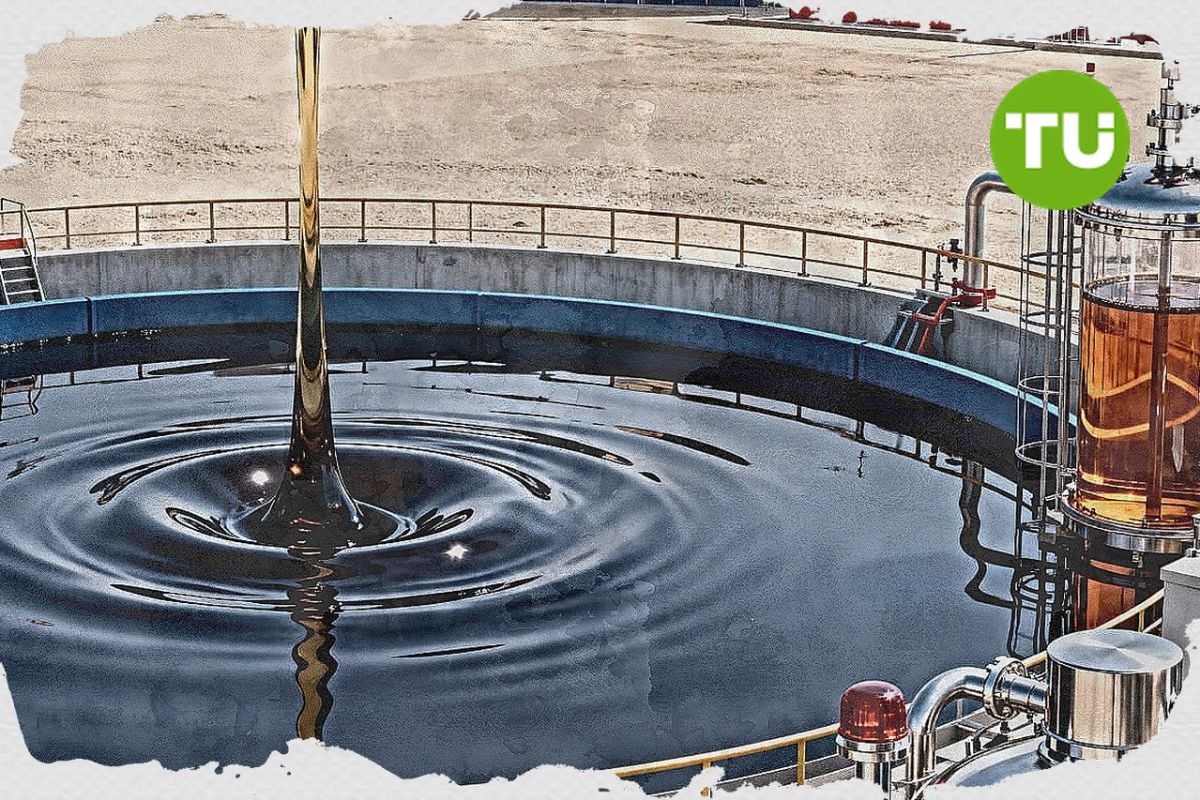
Global oil prices continue to rise amid the escalating military conflict between the United States and Iran. The main driver behind the rally is growing concern over a potential blockade of the Strait of Hormuz, one of the most critical routes for global energy trade.
Highlights
- Brent rose to $83.85 per barrel (+$2.45).
- WTI increased to $77.18 (+$2.52).
- Risks of a Strait of Hormuz blockade are fueling fears of supply disruptions.
- Oil is increasingly viewed as a key economic pressure tool for Iran.
According to Bloomberg, Brent crude climbed to $83.85 per barrel, gaining about $2.45 during the session, then fell to $82.20. U.S. WTI rose to $77.18 (+$2.52), then fell to $75.57. Markets are increasingly pricing in the risk of supply disruptions from the Persian Gulf region, through which a significant share of the world maritime oil trade passes.
Military conflict increases pressure on energy markets
Oil prices are rising amid ongoing strikes by the United States and Israel on Iranian territory. The military escalation has heightened tensions around the Strait of Hormuz, a strategic chokepoint for global oil shipments.
Under these conditions, oil has become one of the key pressure points for the global economy. Even the possibility of restrictions on shipping in the region is triggering sharp reactions in commodity markets.
Other energy contracts are also moving higher. Natural gas rose to $2.98, RBOB gasoline increased to $2.618, and Murban Crude climbed to $91.1 per barrel, marking one of the sharpest gains among energy assets.
Oil as Iran key geopolitical leverage
Iran has found itself in an extremely difficult position following a series of military strikes. According to reports, a significant portion of the country air defense systems has been destroyed, while parts of its military and political leadership have been eliminated. Bombing of military infrastructure continues.
In this situation, Tehran has limited ability to mount a direct military response capable of changing the balance of power. As a result, Iran is increasingly relying on indirect tools of pressure on the United States and its allies, particularly through higher global oil prices and political pressure on Gulf countries.
In this context, oil has effectively become one of the key geopolitical levers in the current conflict.
Markets brace for further price increases
Energy markets remain under intense pressure. Brent trading above $83 per barrel and a gain of more than $2 in a single session reflect the rapidly growing geopolitical risk premium.
Another signal for investors is the broader rise in energy prices and increasing instability across the Persian Gulf region. If the conflict escalates further or the Strait of Hormuz faces partial disruption, oil markets could see even sharper price increases.
For the global economy, higher oil prices may translate into stronger inflationary pressure, rising fuel costs, and increased volatility across financial markets.
Earlier, we reported that Gold price rebounds despite stronger dollar and Middle East tensions.





Latest Commodities News



-
 Afghanistan
-
 Albania
-
 Algeria
-
 Angola
-
 Argentina
-
 Armenia
-
 Australia
-
 Austria
-
 Azerbaijan
-
 Bahamas
-
 Bahrain
-
 Bangladesh
-
 Belarus
-
 Belgium
-
 Bolivia
-
 Botswana
-
 Brazil
-
 Brunei
-
 Bulgaria
-
 Cambodia
-
 Cameroon
-
 Canada
-
 Chile
Chile
-
 China
China
-
 Colombia
-
 Congo
Congo
-
 Costa Rica
-
 Cote d'Ivoire
-
 Croatia
-
 Cuba
Cuba
-
 Cyprus
-
 Czechia
-
 DR Congo
-
 Denmark
-
 Dominican Republic
-
 Ecuador
-
 Egypt
Egypt
-
 El Salvador
-
 Estonia
-
 Eswatini
-
 Ethiopia
-
 Finland
-
 France
-
 Georgia
-
 Germany
-
 Ghana
Ghana
-
 Greece
-
 Haiti
Haiti
-
 Hong Kong
-
 Hungary
-
 India
India
-
 Indonesia
-
 Iran, Islamic republic
-
 Iraq
Iraq
-
 Ireland
-
 Israel
-
 Italy
Italy
-
 Jamaica
-
 Japan
Japan
-
 Jordan
-
 Kazakhstan
-
 Kenya
Kenya
-
 Korea
Korea
-
 Kuwait
-
 Kyrgyzstan
-
 Laos
Laos
-
 Latvia
-
 Lebanon
-
 Lesotho
-
 Libya
Libya
-
 Lithuania
-
 Luxembourg
-
 Madagascar
-
 Malaysia
-
 Malta
Malta
-
 Mauritius
-
 Mexico
-
 Moldova
-
 Mongolia
-
 Montenegro
-
 Morocco
-
 Mozambique
-
 Myanmar
-
 Namibia
-
 Nepal
Nepal
-
 Netherlands
-
 New Zealand
-
 Nigeria
-
 North Macedonia
-
 Norway
-
 Oman
Oman
-
 Pakistan
-
 Palestine
-
 Panama
-
 Papua New Guinea
-
 Paraguay
-
 Peru
Peru
-
 Philippines
-
 Poland
-
 Portugal
-
 Puerto Rico
-
 Qatar
Qatar
-
 Reunion
-
 Romania
-
 Rwanda
-
 Saudi Arabia
-
 Serbia
-
 Singapore
-
 Slovakia
-
 Slovenia
-
 Somalia
-
 South Africa
-
 Spain
Spain
-
 Sri Lanka
-
 Sweden
-
 Switzerland
-
 Syria
Syria
-
 Taiwan
-
 Tajikistan
-
 Tanzania
-
 Thailand
-
 Trinidad and Tobago
-
 Tunisia
-
 Turkey
-
 UAE
UAE
-
 Uganda
-
 Ukraine
-
 United Kingdom
-
United States
-
 Uruguay
-
 Uzbekistan
-
 Venezuela
-
 Vietnam
-
 Yemen
Yemen
-
 Zambia
-
 Zimbabwe
- Forex
- Crypto












