
US states tighten SNAP-eligible purchases, soda and candy limits roll out from 2026
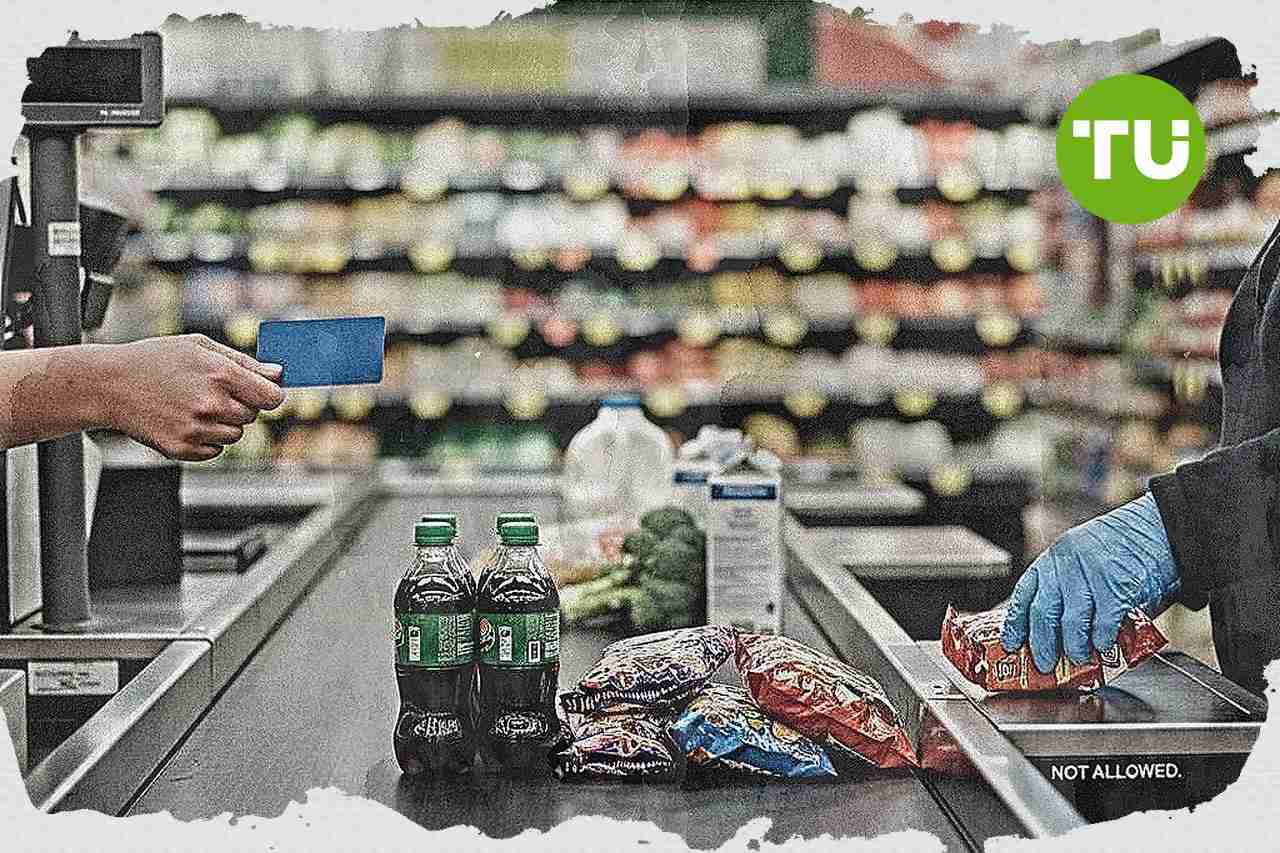
A widening group of US states is moving to narrow what items can be bought with SNAP benefits, after securing federal approval to deviate from long-standing program rules. The US Department of Agriculture, in waiver-related notices and a compiled list of state changes, shows restrictions already started in several states on January 1, with a larger wave slated for 2026 and later. The shift affects categories such as soda, energy drinks, candy, and other products, and comes as states await clearer product-level guidance for shoppers and retailers.
Highlights
- Multiple states will implement SNAP purchase restrictions on soda, energy drinks, candy, and sweetened beverages, with start dates varying from 2024 to 2028.
- Waivers approved by the USDA allow these changes, introducing greater variability in SNAP rules nationally, affecting nearly 42 million monthly beneficiaries and complicating point-of-sale compliance for retailers.
- Advocacy group FRAC warns of unclear product guidance for both shoppers and retailers, heightening risk of confusion, transaction disputes, and administrative burdens as new rules phase in.
State-by-state rollout and product categories
According to Business Insider, restrictions vary by state and take effect on different dates, ranging from January 1 implementations to changes scheduled for 2027 and 2028. The Department of Agriculture list includes limits on soda and soft drinks, energy drinks, candy, sweetened beverages, and in some cases items described as "prepared desserts" or "processed foods and beverages." Several states are targeting drinks below specific juice thresholds, such as products with less than 50% natural juice or with 50% or less fruit and vegetable juice. Examples cited include Arkansas restricting soda, "unhealthy drinks," low-juice beverages, and candy starting July 1, and Florida adding limits on soda, energy drinks, candy, and prepared desserts starting April 20.The USDA list also includes states where restrictions have already begun, including Indiana, Iowa, Nebraska, Utah, West Virginia, and others that started new limits on January 1, as well as Idaho beginning February 15 and Louisiana beginning February 18. Other timelines extend further out, with Kansas and Wyoming listing February 15, 2027 and February 1, 2027 start dates, respectively, and Nevada set for February 1, 2028. Ohio’s restriction on sugar-sweetened beverages is listed as beginning October 1, while Missouri’s restrictions on candy, prepared desserts, and certain unhealthy beverages are also listed for October 1. The spread-out calendar means retailers and benefit recipients will experience uneven changes depending on where they live and shop.
Policy drivers and federal waiver mechanics
The article links the state-level changes to Health and Human Services Secretary Robert F. Kennedy Jr.’s Make America Healthy Again effort, which has emphasized reducing consumption of sugar and certain food dyes. To carry out the changes, states sought waivers from the federal government to alter how SNAP benefits can be spent under existing rules. The USDA documentation referenced in the article indicates the federal government issued approval notices to states, which is why some restrictions take effect later in 2026 or in subsequent years. This approach effectively makes SNAP purchasing rules more variable across the country as states adopt different definitions of restricted products.The article notes the scale of the program, citing USDA data that nearly 42 million people, about 12% of the US resident population, relied on SNAP benefits each month during the 2024 federal fiscal year. That participation level raises operational questions for grocery chains, convenience stores, and payment processors that must align point-of-sale eligibility logic with changing state rules. Because the restrictions focus on common packaged categories, implementation is likely to touch high-volume checkout transactions and inventory classification, not just niche items. The article also flags uncertainty over whether limiting sugary drinks and similar products will measurably improve health outcomes for SNAP users.
Implementation gaps for shoppers and retailers
In a December blog post, the anti-hunger advocacy group Food Research and Action Center (FRAC) argued that product guidance has been insufficient in many cases. The article reports that shoppers and retailers have not always been provided a clear list of products that will become ineligible for SNAP purchases. FRAC said that the lack of specificity could make it difficult for participants to plan grocery trips or understand what will be denied at checkout. The group’s critique suggests potential for confusion, transaction disputes, and administrative burden as rules phase in.Iowa is highlighted as an example of where definitions may be difficult to translate into shopping decisions. The article says Iowa restricted purchases of "all taxable food items" as of January 1, and a notice to SNAP recipients in the state stated that this includes soda, candy, candy-coated items, vitamins and minerals, chewing gum, and drinks with 50% or less fruit and vegetable juice. FRAC argued that the directive does not provide enough specific information for participants to prepare for shopping. As additional states adopt restrictions in 2026 and beyond, the clarity and standardization of item-level guidance is likely to be a central operational issue.
We previously reported on Bank of America’s bearish price action, with BAC trading below key moving averages and momentum indicators pointing to sustained selling pressure. Our publication also outlined key support and resistance levels and noted that broader risk sentiment can influence positioning and volatility across markets.


Latest Social Policy News





-
 Afghanistan
-
 Albania
-
 Algeria
-
 Angola
-
 Argentina
-
 Armenia
-
 Australia
-
 Austria
-
 Azerbaijan
-
 Bahamas
-
 Bahrain
-
 Bangladesh
-
 Belarus
-
 Belgium
-
 Bolivia
-
 Botswana
-
 Brazil
-
 Brunei
-
 Bulgaria
-
 Cambodia
-
 Cameroon
-
 Canada
-
 Chile
Chile
-
 China
China
-
 Colombia
-
 Congo
Congo
-
 Costa Rica
-
 Cote d'Ivoire
-
 Croatia
-
 Cuba
Cuba
-
 Cyprus
-
 Czechia
-
 DR Congo
-
 Denmark
-
 Dominican Republic
-
 Ecuador
-
 Egypt
Egypt
-
 El Salvador
-
 Estonia
-
 Eswatini
-
 Ethiopia
-
 Finland
-
 France
-
 Georgia
-
 Germany
-
 Ghana
Ghana
-
 Greece
-
 Haiti
Haiti
-
 Hong Kong
-
 Hungary
-
 India
India
-
 Indonesia
-
 Iran, Islamic republic
-
 Iraq
Iraq
-
 Ireland
-
 Israel
-
 Italy
Italy
-
 Jamaica
-
 Japan
Japan
-
 Jordan
-
 Kazakhstan
-
 Kenya
Kenya
-
 Korea
Korea
-
 Kuwait
-
 Kyrgyzstan
-
 Laos
Laos
-
 Latvia
-
 Lebanon
-
 Lesotho
-
 Libya
Libya
-
 Lithuania
-
 Luxembourg
-
 Madagascar
-
 Malaysia
-
 Malta
Malta
-
 Mauritius
-
 Mexico
-
 Moldova
-
 Mongolia
-
 Montenegro
-
 Morocco
-
 Mozambique
-
 Myanmar
-
 Namibia
-
 Nepal
Nepal
-
 Netherlands
-
 New Zealand
-
 Nigeria
-
 North Macedonia
-
 Norway
-
 Oman
Oman
-
 Pakistan
-
 Palestine
-
 Panama
-
 Papua New Guinea
-
 Paraguay
-
 Peru
Peru
-
 Philippines
-
 Poland
-
 Portugal
-
 Puerto Rico
-
 Qatar
Qatar
-
 Reunion
-
 Romania
-
 Rwanda
-
 Saudi Arabia
-
 Serbia
-
 Singapore
-
 Slovakia
-
 Slovenia
-
 Somalia
-
 South Africa
-
 Spain
Spain
-
 Sri Lanka
-
 Sweden
-
 Switzerland
-
 Syria
Syria
-
 Taiwan
-
 Tajikistan
-
 Tanzania
-
 Thailand
-
 Trinidad and Tobago
-
 Tunisia
-
 Turkey
-
 UAE
UAE
-
 Uganda
-
 Ukraine
-
 United Kingdom
-
United States
-
 Uruguay
-
 Uzbekistan
-
 Venezuela
-
 Vietnam
-
 Yemen
Yemen
-
 Zambia
-
 Zimbabwe
- Forex
- Crypto











