
U.S. long-term unemployment surge raises risks for workers and the economy
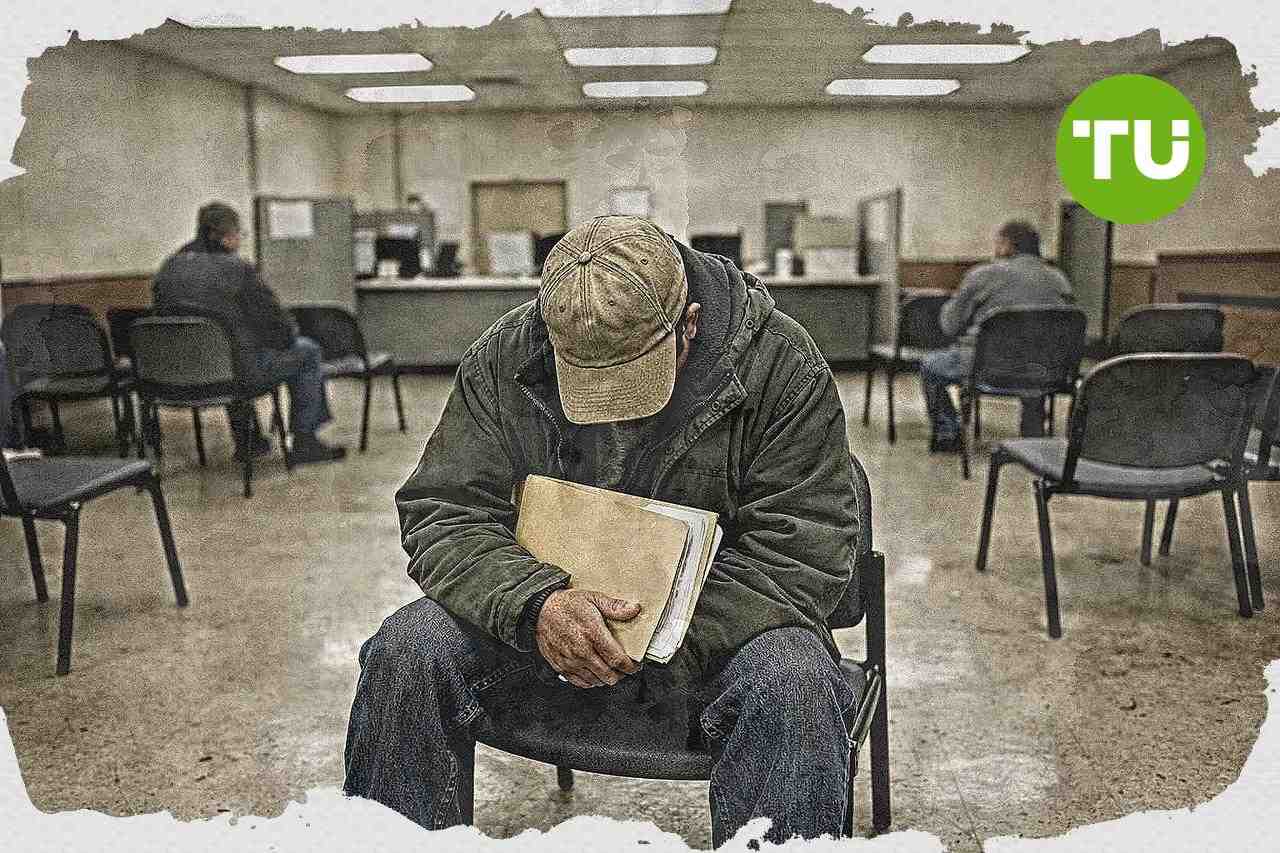
A growing share of U.S. jobless workers is remaining out of work for at least 27 weeks, highlighting deeper strain in a labor market that is hiring less aggressively. The increase is carrying financial, mental health and family consequences for affected households while also threatening consumer spending and broader economic momentum.
Highlights
- The number of Americans classified as long-term unemployed has averaged above 1.8 million this year, about 45% higher than 2019 and 55% above 2023.
- Long-term unemployed now represent roughly one in four jobless Americans, with job openings and hiring rates declining from pandemic-era peaks despite stronger-than-expected payrolls data.
- A Boston Fed paper found long-term unemployed workers earn 32% less after a decade, and economists warn prolonged joblessness threatens consumer spending, about two-thirds of U.S. GDP.
Labor market strain and worsening joblessness
As reported by CNBC, the number of Americans classified as long-term unemployed, meaning they have been out of work for at least 27 weeks, has climbed above 1.8 million on average this year. A CNBC analysis of Bureau of Labor Statistics data says that total is about 45% higher than in 2019 and 55% above 2023 levels.Long-term unemployed workers now make up roughly one in four jobless Americans, based on the latest available U.S. government data. Economists say the rise is an important signal about labor market health because it shows employers are not absorbing available workers as easily, even as some recent reports on job openings and private payrolls come in stronger than expected.
Indeed economist Cory Stahle says the pattern reflects a low-hire, low-fire market, where companies are not cutting jobs aggressively but are also not adding staff quickly. Federal labor data shows job openings and hiring rates have fallen from pandemic-era peaks, while recent college graduates are also struggling, with a 5.6% unemployment rate versus a broader 4.2% average, according to the New York Fed.
Household finances and wider economic fallout
Research cited in the article shows the damage can persist long after workers return to employment. A Boston Federal Reserve working paper found that workers who experienced long-term unemployment had pay about 32% lower after a decade than peers who did not lose work, compared with a 9% decline for those unemployed for shorter periods.Studies also link prolonged unemployment with higher rates of depression, reduced community participation and strain on families. A Pew Research report found the long-term unemployed were more than twice as likely to seek professional help for depression or other mental health challenges than people jobless for less than three months, while other research associates parental job loss with a higher chance that a child repeats a grade.
For affected workers, the pressure is immediate because most unemployment benefits typically end after 26 weeks, leaving many without support even if they are still actively seeking work. Economists warn that if more households cut spending because of long jobless spells, the national economy could weaken further, since consumer spending accounts for about two-thirds of U.S. gross domestic product.
Our earlier coverage of revised U.S. productivity and labor cost data highlighted that first-quarter nonfarm productivity growth was marked down, pointing to softer output momentum. We also noted that unit labor cost growth was revised lower, easing cost pressures, even as economists expect broader AI adoption to support longer-term efficiency gains and help keep labor costs contained.


Latest Social Policy News







-
 Afghanistan
-
 Albania
-
 Algeria
-
 Angola
-
 Argentina
-
 Armenia
-
 Australia
-
 Austria
-
 Azerbaijan
-
 Bahamas
-
 Bahrain
-
 Bangladesh
-
 Belarus
-
 Belgium
-
 Bolivia
-
 Botswana
-
 Brazil
-
 Brunei
-
 Bulgaria
-
 Cambodia
-
 Cameroon
-
 Canada
-
 Chile
Chile
-
 China
China
-
 Colombia
-
 Congo
Congo
-
 Costa Rica
-
 Cote d'Ivoire
-
 Croatia
-
 Cuba
Cuba
-
 Cyprus
-
 Czechia
-
 DR Congo
-
 Denmark
-
 Dominican Republic
-
 Ecuador
-
 Egypt
Egypt
-
 El Salvador
-
 Estonia
-
 Eswatini
-
 Ethiopia
-
 Finland
-
 France
-
 Georgia
-
 Germany
-
 Ghana
Ghana
-
 Greece
-
 Haiti
Haiti
-
 Hong Kong
-
 Hungary
-
 India
India
-
 Indonesia
-
 Iran, Islamic republic
-
 Iraq
Iraq
-
 Ireland
-
 Israel
-
 Italy
Italy
-
 Jamaica
-
 Japan
Japan
-
 Jordan
-
 Kazakhstan
-
 Kenya
Kenya
-
 Korea
Korea
-
 Kuwait
-
 Kyrgyzstan
-
 Laos
Laos
-
 Latvia
-
 Lebanon
-
 Lesotho
-
 Libya
Libya
-
 Lithuania
-
 Luxembourg
-
 Madagascar
-
 Malaysia
-
 Malta
Malta
-
 Mauritius
-
 Mexico
-
 Moldova
-
 Mongolia
-
 Montenegro
-
 Morocco
-
 Mozambique
-
 Myanmar
-
 Namibia
-
 Nepal
Nepal
-
 Netherlands
-
 New Zealand
-
 Nigeria
-
 North Macedonia
-
 Norway
-
 Oman
Oman
-
 Pakistan
-
 Palestine
-
 Panama
-
 Papua New Guinea
-
 Paraguay
-
 Peru
Peru
-
 Philippines
-
 Poland
-
 Portugal
-
 Puerto Rico
-
 Qatar
Qatar
-
 Reunion
-
 Romania
-
 Rwanda
-
 Saudi Arabia
-
 Serbia
-
 Singapore
-
 Slovakia
-
 Slovenia
-
 Somalia
-
 South Africa
-
 Spain
Spain
-
 Sri Lanka
-
 Sweden
-
 Switzerland
-
 Syria
Syria
-
 Taiwan
-
 Tajikistan
-
 Tanzania
-
 Thailand
-
 Trinidad and Tobago
-
 Tunisia
-
 Turkey
-
 UAE
UAE
-
 Uganda
-
 Ukraine
-
 United Kingdom
-
United States
-
 Uruguay
-
 Uzbekistan
-
 Venezuela
-
 Vietnam
-
 Yemen
Yemen
-
 Zambia
-
 Zimbabwe
- Forex
- Crypto











