
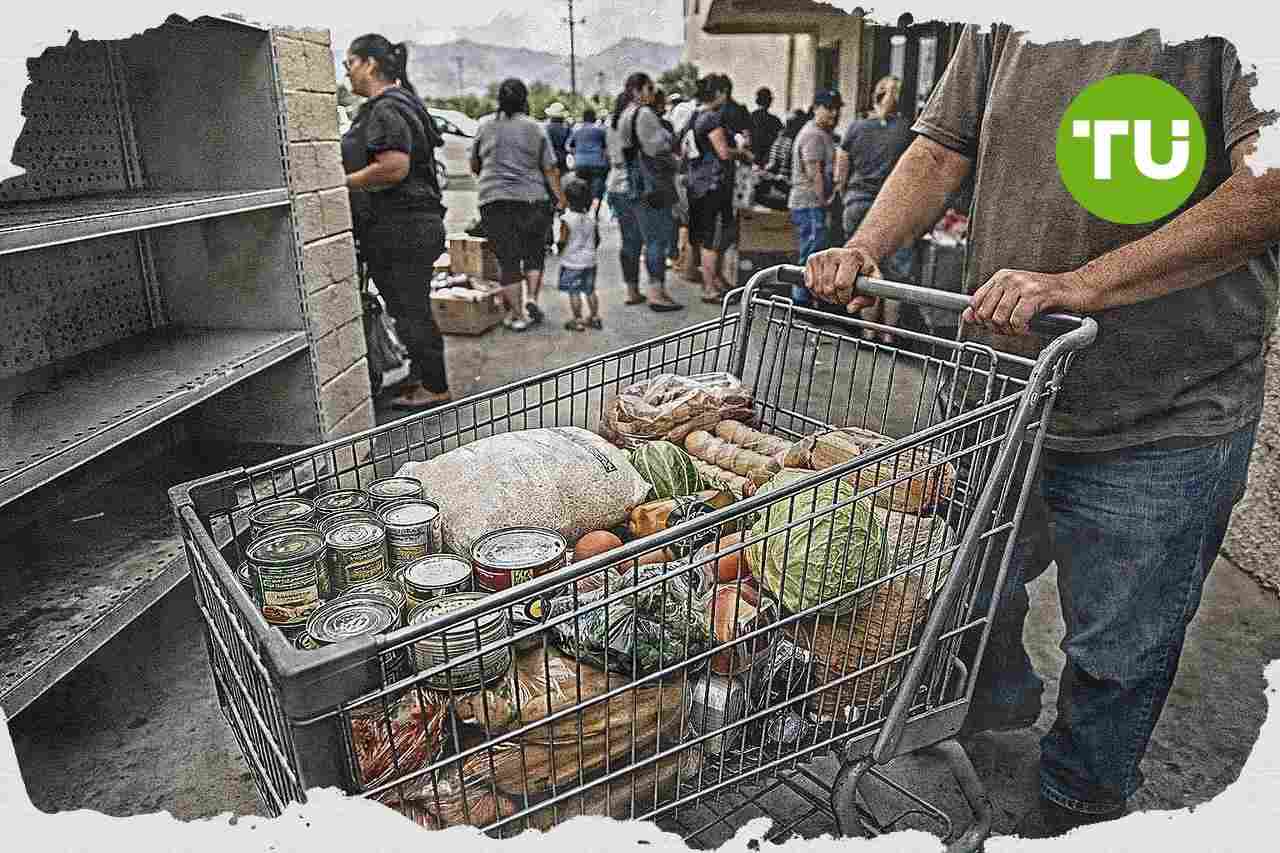
Higher living costs are coinciding with a sharp decline in federal food assistance for low-income households across the U.S. More than 3.5 million SNAP recipients lose benefits between July and February as stricter eligibility rules under President Donald Trump’s law begin to reshape the program.
Highlights
- More than 3.5 million people, or nearly 9% of nationwide SNAP recipients, lose benefits between July and February due to new eligibility standards.
- Arizona reports a 51% drop in SNAP beneficiaries as states face increased administrative burdens and partial responsibility for funding under President Donald Trump's legislation.
- Despite unemployment steady at about 4% since July, CBPP notes participation drops in every state, with growing food bank visits signaling elevated food insecurity.
Benefit losses widen under new eligibility rules
As reported by the Center on Budget and Policy Priorities, nearly 9% of people receiving Supplemental Nutrition Assistance Program benefits nationwide, more than 3.5 million individuals, lose access between July and February. The institute’s analysis draws on data from the Department of Agriculture and state programs as states begin implementing changes tied to President Donald Trump’s "big beautiful bill."The legislation imposes tougher standards for qualifying for SNAP, especially through work requirements, and also shifts some administrative and cost responsibilities to states. Supporters of the law say before its passage that the changes would reduce waste and increase accountability.
The most recent Department of Agriculture figures show that almost 42 million people nationwide receive SNAP benefits in fiscal year 2025. CBPP says participation declines in every state even as the unemployment rate holds steady at about 4% since July, making it very unlikely that a drop in need is driving the reduction.
State budgets and access pressures deepen strain
Some states are already recording especially steep losses as they adapt to the new framework. Arizona loses 51% of its SNAP beneficiaries, according to CBPP, which says the state already faces food-benefit administration problems including understaffing.Joseph Llobrera, senior director of research on the food assistance team at CBPP, says those pre-existing issues help explain Arizona’s higher rate of coverage loss. Under the new law, states now have to help fund SNAP benefits that were previously a federal obligation, giving them an incentive to lower payment error rates, including underpayments and overpayments.
CBPP says efforts to curb those error rates can also result in eligible people losing access to assistance. Experts say heavy bureaucracy often leaves vulnerable households cut off from benefits when they cannot navigate the requirements, while rising visits to food banks point to growing demand for food aid as SNAP coverage falls.
Our earlier article covered a new legal interpretation that narrows non-citizens’ access to the FCC’s Lifeline subsidy for discounted phone and broadband service. It said applicants must meet PRWORA eligibility and verification rules, pushing the FCC toward stricter safeguards to limit benefits to lawful, qualified recipients and reduce improper payments.


Latest Social Policy News







-
 Afghanistan
-
 Albania
-
 Algeria
-
 Angola
-
 Argentina
-
 Armenia
-
 Australia
-
 Austria
-
 Azerbaijan
-
 Bahamas
-
 Bahrain
-
 Bangladesh
-
 Belarus
-
 Belgium
-
 Bolivia
-
 Botswana
-
 Brazil
-
 Brunei
-
 Bulgaria
-
 Cambodia
-
 Cameroon
-
 Canada
-
 Chile
Chile
-
 China
China
-
 Colombia
-
 Congo
Congo
-
 Costa Rica
-
 Cote d'Ivoire
-
 Croatia
-
 Cuba
Cuba
-
 Cyprus
-
 Czechia
-
 DR Congo
-
 Denmark
-
 Dominican Republic
-
 Ecuador
-
 Egypt
Egypt
-
 El Salvador
-
 Estonia
-
 Eswatini
-
 Ethiopia
-
 Finland
-
 France
-
 Georgia
-
 Germany
-
 Ghana
Ghana
-
 Greece
-
 Haiti
Haiti
-
 Hong Kong
-
 Hungary
-
 India
India
-
 Indonesia
-
 Iran, Islamic republic
-
 Iraq
Iraq
-
 Ireland
-
 Israel
-
 Italy
Italy
-
 Jamaica
-
 Japan
Japan
-
 Jordan
-
 Kazakhstan
-
 Kenya
Kenya
-
 Korea
Korea
-
 Kuwait
-
 Kyrgyzstan
-
 Laos
Laos
-
 Latvia
-
 Lebanon
-
 Lesotho
-
 Libya
Libya
-
 Lithuania
-
 Luxembourg
-
 Madagascar
-
 Malaysia
-
 Malta
Malta
-
 Mauritius
-
 Mexico
-
 Moldova
-
 Mongolia
-
 Montenegro
-
 Morocco
-
 Mozambique
-
 Myanmar
-
 Namibia
-
 Nepal
Nepal
-
 Netherlands
-
 New Zealand
-
 Nigeria
-
 North Macedonia
-
 Norway
-
 Oman
Oman
-
 Pakistan
-
 Palestine
-
 Panama
-
 Papua New Guinea
-
 Paraguay
-
 Peru
Peru
-
 Philippines
-
 Poland
-
 Portugal
-
 Puerto Rico
-
 Qatar
Qatar
-
 Reunion
-
 Romania
-
 Rwanda
-
 Saudi Arabia
-
 Serbia
-
 Singapore
-
 Slovakia
-
 Slovenia
-
 Somalia
-
 South Africa
-
 Spain
Spain
-
 Sri Lanka
-
 Sweden
-
 Switzerland
-
 Syria
Syria
-
 Taiwan
-
 Tajikistan
-
 Tanzania
-
 Thailand
-
 Trinidad and Tobago
-
 Tunisia
-
 Turkey
-
 UAE
UAE
-
 Uganda
-
 Ukraine
-
 United Kingdom
-
United States
-
 Uruguay
-
 Uzbekistan
-
 Venezuela
-
 Vietnam
-
 Yemen
Yemen
-
 Zambia
-
 Zimbabwe
- Forex
- Crypto











