
The tweet was deleted by the author.
But we saved everything 🙂.
Alibaba built its business on e-commerce and the delivery of goods from China, but over time it sought to move beyond online retail and transform itself into a technology giant. However, not all of its initiatives proved successful, ultimately leading to large-scale layoffs and a decline in its stock.
Alibaba released its financial results for the latest quarter on March 19. Its net profit fell by 67%, while revenue came in at around $41.3 billion — well below market expectations.
The weak performance was driven by rising costs and sluggish growth in key business segments. In particular, the company continues to spend heavily on developing new areas, including artificial intelligence.
The market reaction was immediate. Alibaba’s US-listed shares fell more than 7% in a single day, marking their sharpest decline since October. Hong Kong-listed shares also dropped by about 6%. In total, the company lost roughly $23 billion in market value within 24 hours. Alibaba stock is now trading around $125, far below its all-time high of approximately $319 reached in 2020.

Stock performance of Alibaba. Source: TradingView
Alibaba’s weak earnings reflect a deeper issue: the company has been trying for several years to restructure its business and find a new growth engine. Its main bet is now on artificial intelligence. Alibaba aims to grow its combined cloud and AI revenue to $100 billion annually within five years. To achieve this, it has pledged to invest more than $53 billion in infrastructure, data centers, and technology development, according to Bloomberg.
At the same time, the company has been cutting costs and restructuring operations. According to CNBC, Alibaba’s workforce shrank from 194,000 to 128,000 employees in 2025 — a reduction of nearly 34% in just one year. The most significant cuts followed the sale of offline assets, including Sun Art and its stake in the Intime department store chain.
Against this backdrop, Alibaba is trying to position itself as more than just an e-commerce platform — as a full-fledged AI company. It launched the Wukong AI service for enterprise clients, raised prices for cloud and AI products by 5–34%, and consolidated its AI units under a new business structure. The problem is that investors still don’t see a clear answer to the key question: when these investments will start generating meaningful profits.
Alibaba’s pivot to AI is not the first time it has chased emerging technology trends. Previously, the company invested heavily in blockchain and fintech, hoping to unlock new growth opportunities beyond e-commerce.
A notable example is Ant Group, Alibaba’s fintech affiliate. In 2020, the company was preparing for what would have been the largest IPO in history, with a valuation exceeding $300 billion. However, the listing was abruptly halted by Chinese regulators, and the business later faced tighter regulation, losing a significant portion of its value.
At the same time, Alibaba активно развивала блокчейн-направление и входила в число мировых лидеров по количеству патентов. But like Ant Group, these initiatives never became a meaningful source of revenue.
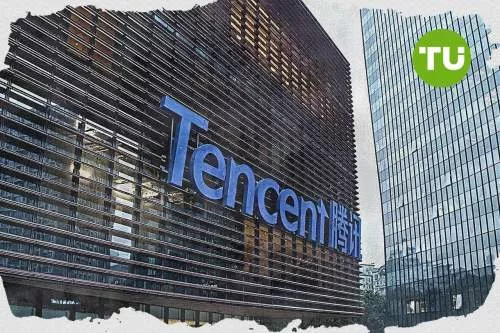
Alibaba’s problem is not just past missteps, but the fact that it is increasingly falling behind competitors in the AI race. Tencent currently appears to have the upper hand. Thanks to its WeChat ecosystem, the company has access to vast amounts of user data and can more quickly integrate AI into everyday services. In comparison, Alibaba’s position looks weaker — especially after the departure of Junyang Lin, a key developer behind the Qwen models (Alibaba’s family of large language AI models).
At the same time, costs are rising. Alibaba has committed more than $53 billion to AI infrastructure while also spending heavily on price wars in delivery and user acquisition. The company has allocated around $7 billion in subsidies to compete with JD.com and Meituan.
Alibaba is investing aggressively in the future but has yet to prove to the market that these investments will generate returns in the near term. The company is spending tens of billions on AI, losing margin in its core businesses, and falling behind more agile competitors.
As long as Alibaba lacks a clear monetization model for its new technologies, investors are likely to respond to weak earnings with sell-offs. That is why its current AI strategy is not supporting the stock — but instead adding further pressure.

 Afghanistan
 Albania
 Algeria
 Angola
 Argentina
 Armenia
 Australia
 Austria
 Azerbaijan
 Bahamas
 Bahrain
 Bangladesh
 Belarus
 Belgium
 Bolivia
 Botswana
 Brazil
 Brunei
 Bulgaria
 Cambodia
 Cameroon
 Canada
 Chile
Chile
 China
China
 Colombia
 Congo
Congo
 Costa Rica
 Cote d'Ivoire
 Croatia
 Cuba
Cuba
 Cyprus
 Czechia
 DR Congo
 Denmark
 Dominican Republic
 Ecuador
 Egypt
Egypt
 El Salvador
 Estonia
 Eswatini
 Ethiopia
 Finland
 France
 Georgia
 Germany
 Ghana
Ghana
 Greece
 Haiti
Haiti
 Hong Kong
 Hungary
 India
India
 Indonesia
 Iran, Islamic republic
 Iraq
Iraq
 Ireland
 Israel
 Italy
Italy
 Jamaica
 Japan
Japan
 Jordan
 Kazakhstan
 Kenya
Kenya
 Korea
Korea
 Kuwait
 Kyrgyzstan
 Laos
Laos
 Latvia
 Lebanon
 Lesotho
 Libya
Libya
 Lithuania
 Luxembourg
 Madagascar
 Malaysia
 Malta
Malta
 Mauritius
 Mexico
 Moldova
 Mongolia
 Montenegro
 Morocco
 Mozambique
 Myanmar
 Namibia
 Nepal
Nepal
 Netherlands
 New Zealand
 Nigeria
 North Macedonia
 Norway
 Oman
Oman
 Pakistan
 Palestine
 Panama
 Papua New Guinea
 Paraguay
 Peru
Peru
 Philippines
 Poland
 Portugal
 Puerto Rico
 Qatar
Qatar
 Reunion
 Romania
 Rwanda
 Saudi Arabia
 Serbia
 Singapore
 Slovakia
 Slovenia
 Somalia
 South Africa
 Spain
Spain
 Sri Lanka
 Sweden
 Switzerland
 Syria
Syria
 Taiwan
 Tajikistan
 Tanzania
 Thailand
 Trinidad and Tobago
 Tunisia
 Turkey
 UAE
UAE
 Uganda
 Ukraine
 United Kingdom
United States
United Kingdom
United States
 Uruguay
 Uzbekistan
 Venezuela
 Vietnam
 Yemen
Yemen
 Zambia
 Zimbabwe