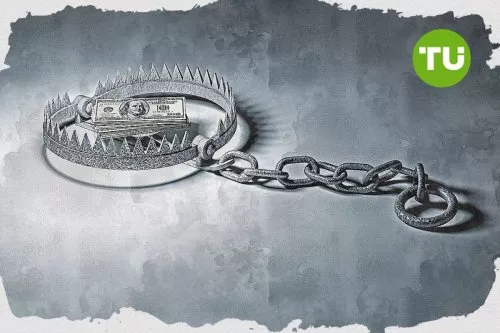
Private student lenders could gain demand as U.S. repayment overhaul takes effect

A report released Tuesday by Protect Borrowers and The Century Foundation says changes to federal student-loan repayment and new borrowing caps for advanced degrees could steer more U.S. borrowers toward private financing. The analysis says many of those borrowers may not qualify for traditional private loans and could instead turn to a shadow market of subprime products, as the Department of Education prepares to implement parts of the overhaul on July 1.
Highlights
- A new report finds 40% of Americans would be denied private student loans by prime lenders due to poor credit, likely increasing demand for alternative and higher-cost borrowing methods.
- With federal student loan caps taking effect July 1 and over 7 million borrowers exiting the SAVE plan this summer, private lenders like Sallie Mae and SoFi anticipate a significant rise in new borrowers.
- Weaker oversight—including staff cuts at the Consumer Financial Protection Bureau—raises risks for borrowers as the private student loan market grows amid calls for stricter regulation from lawmakers.
Report outlines lending shift under new repayment rules
The report says 40% of Americans would be denied private student loans from traditional prime lenders because of weak credit profiles. It says that barrier could push borrowers toward personal loans, debt owed directly to schools, and Buy Now, Pay Later products, which can carry high interest rates and tougher collection practices. The findings tie that risk to President Donald Trump's spending legislation, which places new caps on borrowing for advanced degrees and may leave students in higher-cost programs seeking private financing or abandoning those programs.Jennifer Zhang, policy, research, and data analyst at Protect Borrowers, says the tighter lending limits are likely to hit low-income students and students of color particularly hard because they often have less access to credit. She says the shift toward private lending could narrow access to higher education and force borrowers into more expensive options. During debate over the legislation, the Department of Education says the caps are intended to reduce unaffordable debt and could pressure colleges to lower tuition.Private lenders prepare for higher borrower inflows
Major private lenders say they are ready for more demand from borrowers leaving or losing access to federal options. Sallie Mae CEO Jonathan Witter said on a January earnings call that he is excited about the opportunity created by recent federal student lending reforms. In February, Sallie Mae and SoFi also told Democratic lawmakers they offer tools such as grace periods, deferments, and other repayment support to help borrowers avoid delinquency.The Department of Education is set to begin implementing the repayment changes on July 1, including new income-driven repayment plans. At the same time, more than 7 million borrowers are transitioning off the SAVE plan this summer after a settlement ends the program early. That combination is reshaping the student-loan market and could increase traffic toward private lenders as borrowers adjust to new monthly payment burdens.Oversight concerns grow across the U.S. lending market
The report argues that the move toward private credit is unfolding as oversight of the sector weakens, including staff cuts at the Consumer Financial Protection Bureau. Zhang says that environment makes the transition more dangerous because lenders may face less scrutiny from the CFPB and the Department of Education. The report recommends requiring private student-loan companies to register with state financial regulators, noting that only eight states currently have such laws.It also calls for more federal and state funding for higher education to reduce reliance on debt-based financing. Democratic lawmakers led by Senator Elizabeth Warren released an analysis in January urging stronger oversight as repayment changes approach. They say lenders preparing for an influx of federal borrowers underscore the need for tighter supervision of the private student-lending market.We previously reported that the U.S. Department of Education will begin notifying about 7 million SAVE plan borrowers on July 1 that they have 90 days to choose a new federal repayment option ahead of payments restarting in the fall. Our publication noted that the change follows a federal court-approved settlement that allows the SAVE program to be wound down earlier than expected, with borrowers who do not choose being moved into a standard plan and potentially facing higher monthly costs and changed forgiveness timelines.









-
 Afghanistan
-
 Albania
-
 Algeria
-
 Angola
-
 Argentina
-
 Armenia
-
 Australia
-
 Austria
-
 Azerbaijan
-
 Bahamas
-
 Bahrain
-
 Bangladesh
-
 Belarus
-
 Belgium
-
 Bolivia
-
 Botswana
-
 Brazil
-
 Brunei
-
 Bulgaria
-
 Cambodia
-
 Cameroon
-
 Canada
-
 Chile
Chile
-
 China
China
-
 Colombia
-
 Congo
Congo
-
 Costa Rica
-
 Cote d'Ivoire
-
 Croatia
-
 Cuba
Cuba
-
 Cyprus
-
 Czechia
-
 DR Congo
-
 Denmark
-
 Dominican Republic
-
 Ecuador
-
 Egypt
Egypt
-
 El Salvador
-
 Estonia
-
 Eswatini
-
 Ethiopia
-
 Finland
-
 France
-
 Georgia
-
 Germany
-
 Ghana
Ghana
-
 Greece
-
 Haiti
Haiti
-
 Hong Kong
-
 Hungary
-
 India
India
-
 Indonesia
-
 Iran, Islamic republic
-
 Iraq
Iraq
-
 Ireland
-
 Israel
-
 Italy
Italy
-
 Jamaica
-
 Japan
Japan
-
 Jordan
-
 Kazakhstan
-
 Kenya
Kenya
-
 Korea
Korea
-
 Kuwait
-
 Kyrgyzstan
-
 Laos
Laos
-
 Latvia
-
 Lebanon
-
 Lesotho
-
 Libya
Libya
-
 Lithuania
-
 Luxembourg
-
 Madagascar
-
 Malaysia
-
 Malta
Malta
-
 Mauritius
-
 Mexico
-
 Moldova
-
 Mongolia
-
 Montenegro
-
 Morocco
-
 Mozambique
-
 Myanmar
-
 Namibia
-
 Nepal
Nepal
-
 Netherlands
-
 New Zealand
-
 Nigeria
-
 North Macedonia
-
 Norway
-
 Oman
Oman
-
 Pakistan
-
 Palestine
-
 Panama
-
 Papua New Guinea
-
 Paraguay
-
 Peru
Peru
-
 Philippines
-
 Poland
-
 Portugal
-
 Puerto Rico
-
 Qatar
Qatar
-
 Reunion
-
 Romania
-
 Rwanda
-
 Saudi Arabia
-
 Serbia
-
 Singapore
-
 Slovakia
-
 Slovenia
-
 Somalia
-
 South Africa
-
 Spain
Spain
-
 Sri Lanka
-
 Sweden
-
 Switzerland
-
 Syria
Syria
-
 Taiwan
-
 Tajikistan
-
 Tanzania
-
 Thailand
-
 Trinidad and Tobago
-
 Tunisia
-
 Turkey
-
 UAE
UAE
-
 Uganda
-
 Ukraine
-
 United Kingdom
-
United States
-
 Uruguay
-
 Uzbekistan
-
 Venezuela
-
 Vietnam
-
 Yemen
Yemen
-
 Zambia
-
 Zimbabwe
- Forex
- Crypto











