
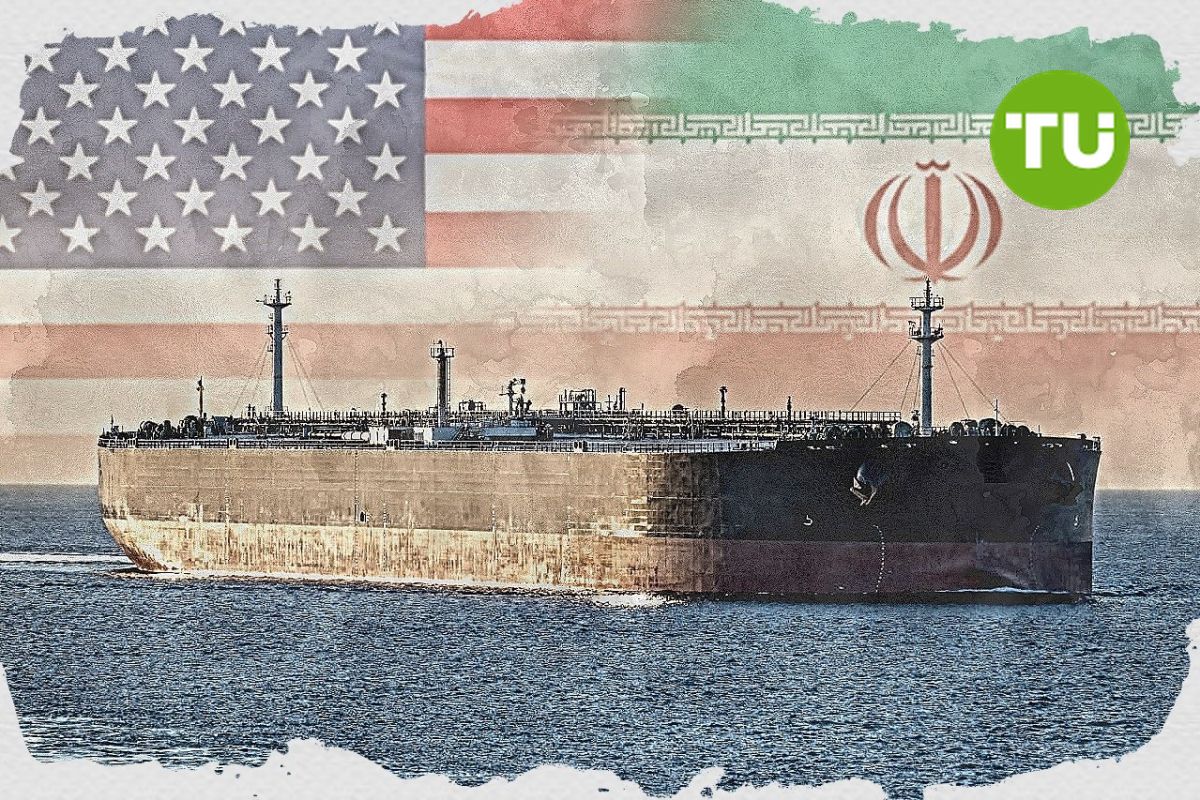
Oil prices moved lower on Tuesday after reports that Washington and Tehran were discussing the possibility of a new round of talks. The market responded to diplomatic signals, although restrictions on shipping through the Strait of Hormuz remain in place and supply risks have not gone away.
Highlights
- Brent fell below $99, while WTI moved toward $97 after signs of possible renewed talks between the United States and Iran.
- The market is reacting to diplomacy, but supply disruptions remain in place.
- Passage through the Strait of Hormuz is still unstable, which means fuel prices may stay elevated even if crude retreats.
After the spike above $100
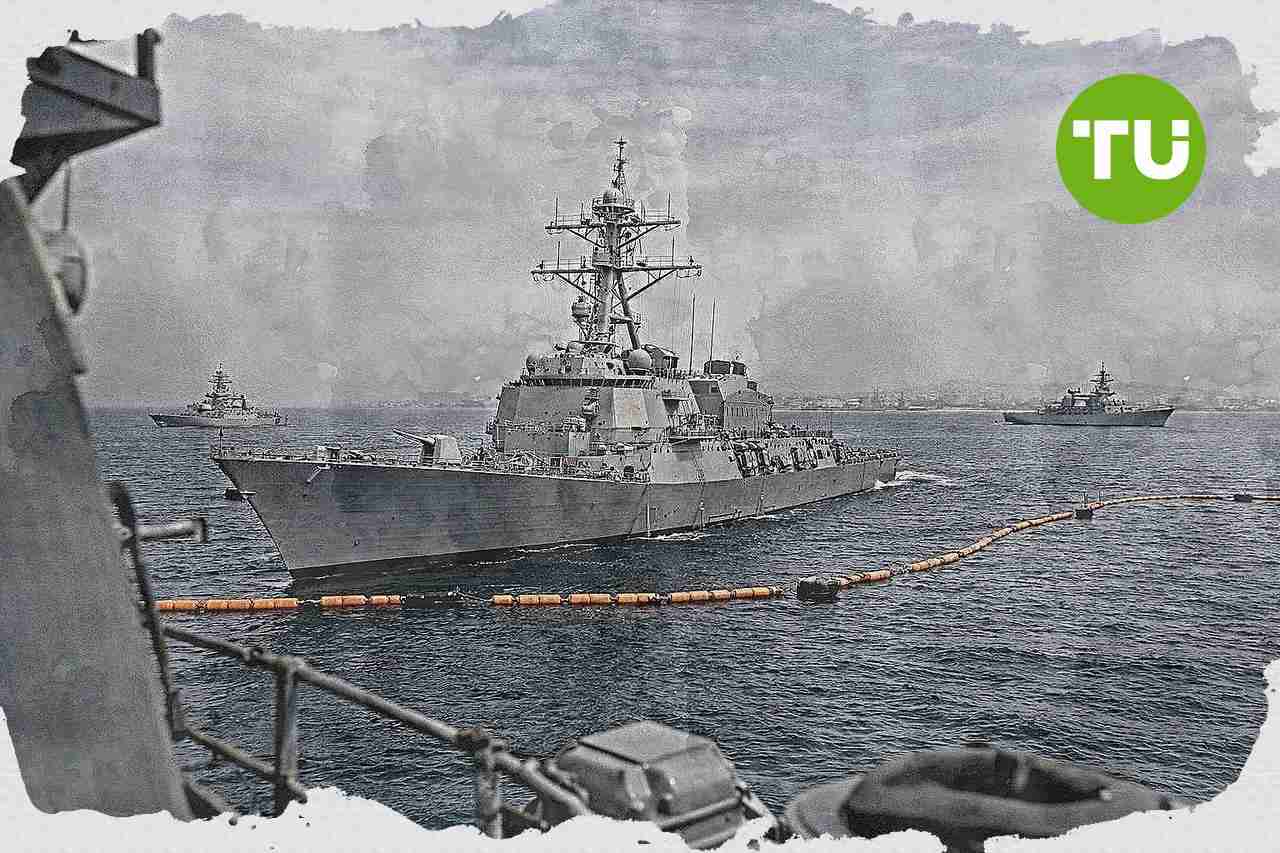
According to Bloomberg, WTI Crude was trading at $96.57, down 2.53%, while Brent Crude stood at $98.41, down 0.96%. Earlier this morning, Brent had already slipped below $99 a barrel, while WTI hovered around $97 after a sharp jump the previous day, when the market priced in the impact of the U.S. blockade on vessels heading to or leaving Iranian ports in the Persian Gulf.
The United States and Iran were considering another face-to-face meeting in an effort to reach a longer ceasefire. The sides want to hold the talks before the end of the two-week pause in hostilities announced on April 7. Donald Trump said Tehran had reached out and wanted to make a deal. Iranian President Masoud Pezeshkian, for his part, said the country was ready for peace talks, but only within the framework of international law.
Diplomacy weighs on prices, but disruptions remain
In recent weeks, the oil market has been caught between political statements and actual logistical disruptions. The conflict involving the United States, Israel and Iran is now in its seventh week. During that time, energy infrastructure has been damaged, and traffic through the Strait of Hormuz has been restricted. That is why any signal of renewed talks is immediately reflected in prices, but does not resolve the problem of physical supply.
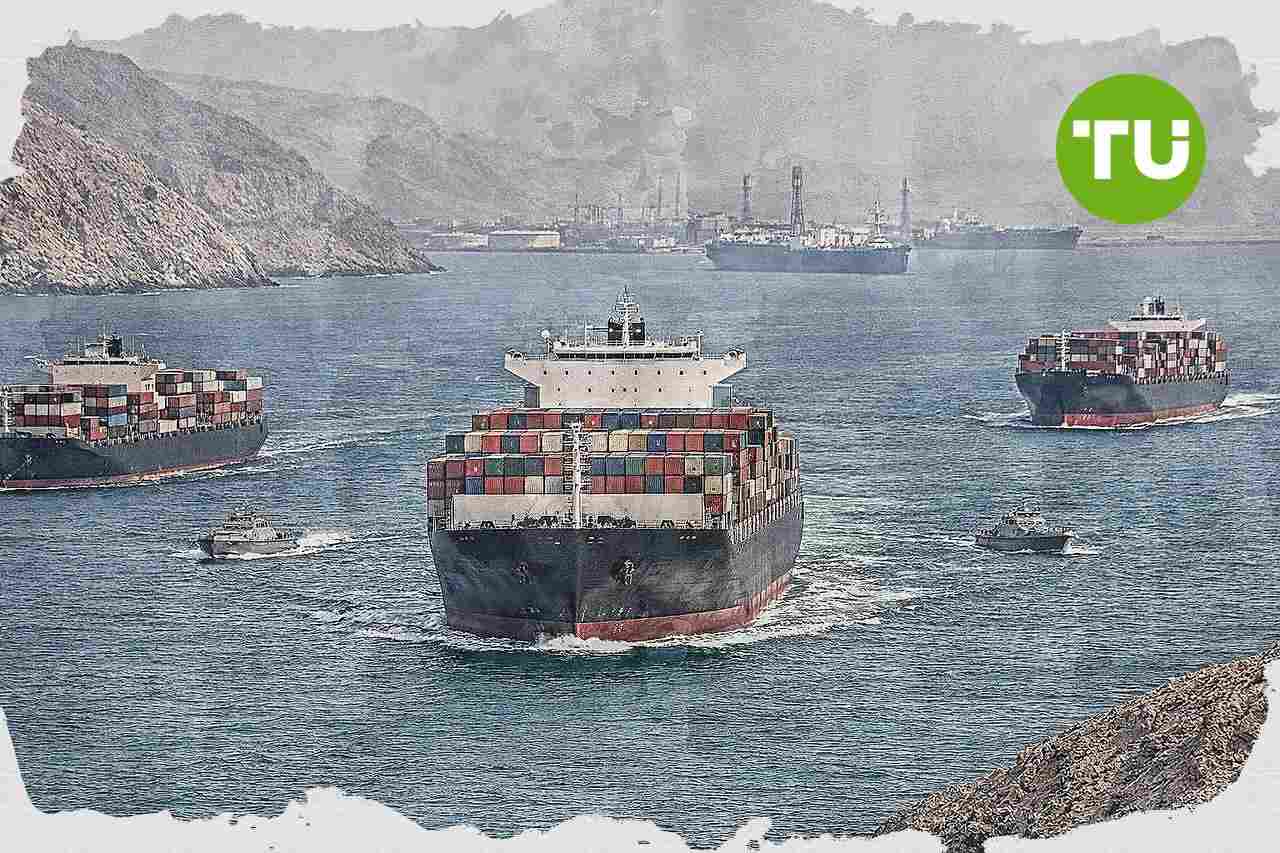
On Tuesday, market participants are watching the tanker Rich Starry, linked to China and sanctioned by the United States. The vessel was expected to pass through the strait, effectively testing how strictly the new U.S. blockade would be enforced. At the same time, shipping volumes through Hormuz declined again on Monday, although three tankers still managed to leave the strait.
The prospect of new talks could limit sharp moves in Brent and WTI futures. But the supply deficit is only deepening, and actual fuel prices are likely to remain elevated as long as passage through Hormuz stays effectively constrained.
The price of a diplomatic pause
Brent falling below $99 and WTI slipping toward $97 show that the market is prepared to react quickly even to cautious signs of de-escalation.
But for now, that reaction is driven more by expectations than by any restoration of normal supply flows.
As long as shipping through Hormuz remains unstable and the United States and Iran are only discussing the possibility of another meeting, oil is likely to react to each statement as sharply as it has in recent weeks.
We have previously highlighted that Bitcoin nears $75,000 amid hopes for U.S.-Iran deal.


Latest Iran war News





-
 Afghanistan
-
 Albania
-
 Algeria
-
 Angola
-
 Argentina
-
 Armenia
-
 Australia
-
 Austria
-
 Azerbaijan
-
 Bahamas
-
 Bahrain
-
 Bangladesh
-
 Belarus
-
 Belgium
-
 Bolivia
-
 Botswana
-
 Brazil
-
 Brunei
-
 Bulgaria
-
 Cambodia
-
 Cameroon
-
 Canada
-
 Chile
Chile
-
 China
China
-
 Colombia
-
 Congo
Congo
-
 Costa Rica
-
 Cote d'Ivoire
-
 Croatia
-
 Cuba
Cuba
-
 Cyprus
-
 Czechia
-
 DR Congo
-
 Denmark
-
 Dominican Republic
-
 Ecuador
-
 Egypt
Egypt
-
 El Salvador
-
 Estonia
-
 Eswatini
-
 Ethiopia
-
 Finland
-
 France
-
 Georgia
-
 Germany
-
 Ghana
Ghana
-
 Greece
-
 Haiti
Haiti
-
 Hong Kong
-
 Hungary
-
 India
India
-
 Indonesia
-
 Iran, Islamic republic
-
 Iraq
Iraq
-
 Ireland
-
 Israel
-
 Italy
Italy
-
 Jamaica
-
 Japan
Japan
-
 Jordan
-
 Kazakhstan
-
 Kenya
Kenya
-
 Korea
Korea
-
 Kuwait
-
 Kyrgyzstan
-
 Laos
Laos
-
 Latvia
-
 Lebanon
-
 Lesotho
-
 Libya
Libya
-
 Lithuania
-
 Luxembourg
-
 Madagascar
-
 Malaysia
-
 Malta
Malta
-
 Mauritius
-
 Mexico
-
 Moldova
-
 Mongolia
-
 Montenegro
-
 Morocco
-
 Mozambique
-
 Myanmar
-
 Namibia
-
 Nepal
Nepal
-
 Netherlands
-
 New Zealand
-
 Nigeria
-
 North Macedonia
-
 Norway
-
 Oman
Oman
-
 Pakistan
-
 Palestine
-
 Panama
-
 Papua New Guinea
-
 Paraguay
-
 Peru
Peru
-
 Philippines
-
 Poland
-
 Portugal
-
 Puerto Rico
-
 Qatar
Qatar
-
 Reunion
-
 Romania
-
 Rwanda
-
 Saudi Arabia
-
 Serbia
-
 Singapore
-
 Slovakia
-
 Slovenia
-
 Somalia
-
 South Africa
-
 Spain
Spain
-
 Sri Lanka
-
 Sweden
-
 Switzerland
-
 Syria
Syria
-
 Taiwan
-
 Tajikistan
-
 Tanzania
-
 Thailand
-
 Trinidad and Tobago
-
 Tunisia
-
 Turkey
-
 UAE
UAE
-
 Uganda
-
 Ukraine
-
 United Kingdom
-
United States
-
 Uruguay
-
 Uzbekistan
-
 Venezuela
-
 Vietnam
-
 Yemen
Yemen
-
 Zambia
-
 Zimbabwe
- Forex
- Crypto











