

European airlines face jet fuel cost surge as Middle East conflict strains supply
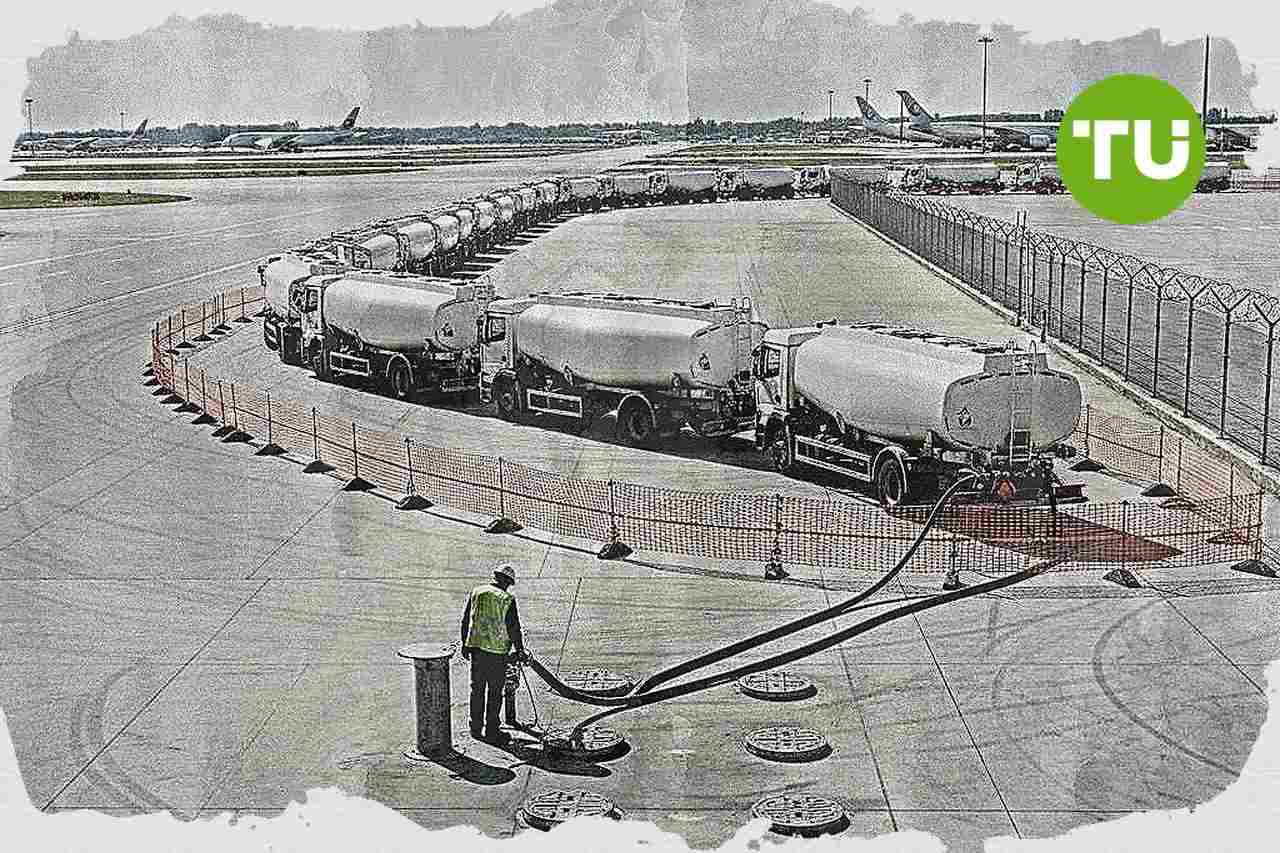
European airlines are contending with record jet fuel prices as the Middle East conflict disrupts supply chains and raises one of the industry’s biggest operating costs. The pressure is prompting fare increases, tighter revenue management and potential capacity cuts, while the effect on credit quality differs by hedging, liquidity and route exposure.
Highlights
- Jet fuel prices in Europe surpassed $200 per barrel, doubling since the Middle East conflict began, as supply routes via the Gulf face disruptions.
- Larger European airlines mitigate the fuel shock through hedging and cost controls, but extended supply issues risk lower capacity, weaker revenues, and possible negative rating actions according to S&P Global Ratings.
- Airlines increased fares and surcharges to offset costs, but delayed economy bookings and rerouted traffic are creating uncertainty for forward revenue and future demand patterns.
Fuel shock raises cost and supply risks
S&P Global Ratings says the conflict in the Middle East is pushing jet fuel prices above $200 per barrel, doubling since the start of the war and reaching a historic peak as Gulf oil flows remain uncertain.The rise reflects both higher crude prices and a sharp widening in jet crack spreads, the gap between crude oil and jet fuel prices. Europe had sourced nearly half of its jet fuel imports from the Middle East, but the effective closure of the Strait of Hormuz and damage to regional refineries have sharply reduced supply. If the conflict continues, physical shortages could intensify, increasing the risk of flight cancellations and further airfare increases.
Credit resilience varies across carriers
Larger European airlines are using hedging, revenue management and cost controls to absorb near-term pressure, and S&P Global Ratings expects the strongest operators to mostly withstand the immediate hit to credit metrics. Their liquidity has improved with the post-pandemic rebound in air travel, giving them some protection against current market volatility.Still, the agency says longer-lasting supply disruption and elevated fuel costs could lead to materially lower capacity, weaker revenue and possible negative rating actions. Fuel typically accounts for 20% to 40% of operating expenses, and while major European airlines often hedge more actively than U.S. peers, some are pausing hedging at current price levels, which could widen profitability differences across the sector.
Airlines have already announced fare increases and fuel surcharges to pass through part of the cost increase. Premium leisure and business demand remains relatively resilient, but some carriers are seeing delayed bookings in economy leisure travel, limiting visibility on forward revenue.
The conflict is also reshaping traffic flows. Demand for flights to and through the Middle East has fallen sharply, while most intra-European and transatlantic routes remain strong. European network carriers are also benefiting on some Asian routes as passengers avoid Gulf hubs, although S&P Global Ratings says those gains may not last if supply normalizes or consumer sensitivity to higher prices increases.
In our earlier article on Rolls-Royce shares, we noted that the stock weakened alongside the broader aviation sector after flight forecasts were downgraded due to Middle East disruptions. The piece also highlighted management’s warning that persistently high Brent crude prices could weigh on results into Q3, underscoring how prolonged geopolitical and energy-market stress can spill over into aviation-linked companies.









-
 Afghanistan
-
 Albania
-
 Algeria
-
 Angola
-
 Argentina
-
 Armenia
-
 Australia
-
 Austria
-
 Azerbaijan
-
 Bahamas
-
 Bahrain
-
 Bangladesh
-
 Belarus
-
 Belgium
-
 Bolivia
-
 Botswana
-
 Brazil
-
 Brunei
-
 Bulgaria
-
 Cambodia
-
 Cameroon
-
 Canada
-
 Chile
Chile
-
 China
China
-
 Colombia
-
 Congo
Congo
-
 Costa Rica
-
 Cote d'Ivoire
-
 Croatia
-
 Cuba
Cuba
-
 Cyprus
-
 Czechia
-
 DR Congo
-
 Denmark
-
 Dominican Republic
-
 Ecuador
-
 Egypt
Egypt
-
 El Salvador
-
 Estonia
-
 Eswatini
-
 Ethiopia
-
 Finland
-
 France
-
 Georgia
-
 Germany
-
 Ghana
Ghana
-
 Greece
-
 Haiti
Haiti
-
 Hong Kong
-
 Hungary
-
 India
India
-
 Indonesia
-
 Iran, Islamic republic
-
 Iraq
Iraq
-
 Ireland
-
 Israel
-
 Italy
Italy
-
 Jamaica
-
 Japan
Japan
-
 Jordan
-
 Kazakhstan
-
 Kenya
Kenya
-
 Korea
Korea
-
 Kuwait
-
 Kyrgyzstan
-
 Laos
Laos
-
 Latvia
-
 Lebanon
-
 Lesotho
-
 Libya
Libya
-
 Lithuania
-
 Luxembourg
-
 Madagascar
-
 Malaysia
-
 Malta
Malta
-
 Mauritius
-
 Mexico
-
 Moldova
-
 Mongolia
-
 Montenegro
-
 Morocco
-
 Mozambique
-
 Myanmar
-
 Namibia
-
 Nepal
Nepal
-
 Netherlands
-
 New Zealand
-
 Nigeria
-
 North Macedonia
-
 Norway
-
 Oman
Oman
-
 Pakistan
-
 Palestine
-
 Panama
-
 Papua New Guinea
-
 Paraguay
-
 Peru
Peru
-
 Philippines
-
 Poland
-
 Portugal
-
 Puerto Rico
-
 Qatar
Qatar
-
 Reunion
-
 Romania
-
 Rwanda
-
 Saudi Arabia
-
 Serbia
-
 Singapore
-
 Slovakia
-
 Slovenia
-
 Somalia
-
 South Africa
-
 Spain
Spain
-
 Sri Lanka
-
 Sweden
-
 Switzerland
-
 Syria
Syria
-
 Taiwan
-
 Tajikistan
-
 Tanzania
-
 Thailand
-
 Trinidad and Tobago
-
 Tunisia
-
 Turkey
-
 UAE
UAE
-
 Uganda
-
 Ukraine
-
 United Kingdom
-
United States
-
 Uruguay
-
 Uzbekistan
-
 Venezuela
-
 Vietnam
-
 Yemen
Yemen
-
 Zambia
-
 Zimbabwe
- Forex
- Crypto