
Oil prices rise as U.S.-Iran talks stall and Strait of Hormuz stays shut
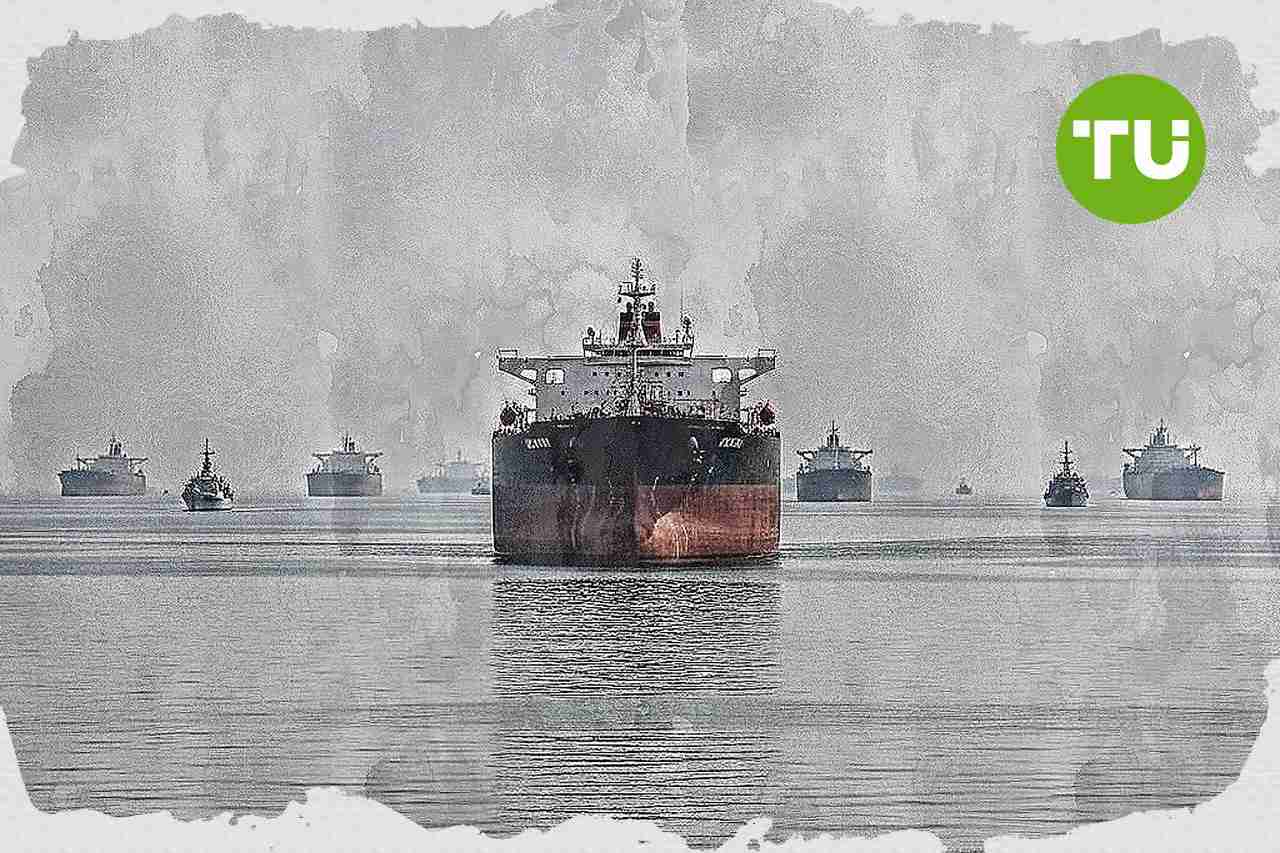
Oil opens higher after a planned new round of U.S.-Iran talks in Pakistan does not take place, reinforcing market concern over a prolonged regional disruption. Brent crude climbs nearly 2% to $101.07 a barrel and West Texas Intermediate gains about 1% to $95.57, as uncertainty over the nearly two-month conflict continues.
Highlights
- Diplomatic talks between the U.S. and Iran collapse after conflicting statements on a meeting in Islamabad, maintaining ceasefire but leaving conflict resolution uncertain.
- The Strait of Hormuz remains closed after repeated shutdowns tied to military actions and failed negotiations, sustaining supply risks for global oil and LNG markets.
- Oil prices rise above $100 for the first time in nearly four years in March, with U.S. national average gasoline hitting $4 a gallon due to ongoing Middle East disruptions.
Talks collapse amid ceasefire uncertainty
As reported by Business Insider, the latest diplomatic push between Washington and Tehran breaks down after both sides signal conflicting positions over a meeting in Islamabad. White House press secretary Karoline Leavitt says on Friday that Special Envoys Steve Witkoff and Jared Kushner will travel to Pakistan for negotiations, but Iran's Ministry of Foreign Affairs says in an X post the same day that no meeting is scheduled.On Saturday, an Iranian delegation leaves Pakistan, and President Donald Trump says he cancels the trip by his representatives. In a Truth Social post, Trump says too much time is being wasted on travel and adds that Iran can call if it wants talks. Earlier efforts also fail to gain traction, including Vice President JD Vance's April 11 trip to Pakistan, while a resumption floated by Trump on April 19 is later rejected by Iran's official news agency.
Despite the failed negotiations, the U.S. and Iran continue to observe a ceasefire that Trump says he extends on April 21. Even so, the absence of new talks keeps the outlook for ending the conflict unclear.
Energy supply risks drive global market pressure
The market remains focused on the Strait of Hormuz, a critical shipping route off Iran's coast that carries about a fifth of global oil and liquefied natural gas flows. The waterway remains closed after Iran first shuts it in late February following U.S. and Israeli attacks, briefly reopens it in April under a ceasefire arrangement, and then closes it again after the first failed Islamabad talks and a U.S. naval blockade announcement.The disruption, together with damage to major oil hubs across the Middle East, pushes oil and jet fuel prices sharply higher around the world. Oil moves above $100 for the first time in nearly four years in March, prompting some governments to adopt energy-saving measures, including a four-day workweek for federal employees in the Philippines and efforts to secure alternative petroleum supplies. In the U.S., the national average gasoline price reaches $4 a gallon in late March.
Our earlier coverage of WTI’s surge toward $97/bbl explained how Iran’s renewed restrictions in the Strait of Hormuz turned oil into a headline-driven, highly volatile market. We noted that tanker diversions, mounting supply-shock fears, and shifting signals around U.S. pressure and possible de-escalation were pushing prices sharply and unpredictably in both directions.





Latest Natural Gas News







-
 Afghanistan
-
 Albania
-
 Algeria
-
 Angola
-
 Argentina
-
 Armenia
-
 Australia
-
 Austria
-
 Azerbaijan
-
 Bahamas
-
 Bahrain
-
 Bangladesh
-
 Belarus
-
 Belgium
-
 Bolivia
-
 Botswana
-
 Brazil
-
 Brunei
-
 Bulgaria
-
 Cambodia
-
 Cameroon
-
 Canada
-
 Chile
Chile
-
 China
China
-
 Colombia
-
 Congo
Congo
-
 Costa Rica
-
 Cote d'Ivoire
-
 Croatia
-
 Cuba
Cuba
-
 Cyprus
-
 Czechia
-
 DR Congo
-
 Denmark
-
 Dominican Republic
-
 Ecuador
-
 Egypt
Egypt
-
 El Salvador
-
 Estonia
-
 Eswatini
-
 Ethiopia
-
 Finland
-
 France
-
 Georgia
-
 Germany
-
 Ghana
Ghana
-
 Greece
-
 Haiti
Haiti
-
 Hong Kong
-
 Hungary
-
 India
India
-
 Indonesia
-
 Iran, Islamic republic
-
 Iraq
Iraq
-
 Ireland
-
 Israel
-
 Italy
Italy
-
 Jamaica
-
 Japan
Japan
-
 Jordan
-
 Kazakhstan
-
 Kenya
Kenya
-
 Korea
Korea
-
 Kuwait
-
 Kyrgyzstan
-
 Laos
Laos
-
 Latvia
-
 Lebanon
-
 Lesotho
-
 Libya
Libya
-
 Lithuania
-
 Luxembourg
-
 Madagascar
-
 Malaysia
-
 Malta
Malta
-
 Mauritius
-
 Mexico
-
 Moldova
-
 Mongolia
-
 Montenegro
-
 Morocco
-
 Mozambique
-
 Myanmar
-
 Namibia
-
 Nepal
Nepal
-
 Netherlands
-
 New Zealand
-
 Nigeria
-
 North Macedonia
-
 Norway
-
 Oman
Oman
-
 Pakistan
-
 Palestine
-
 Panama
-
 Papua New Guinea
-
 Paraguay
-
 Peru
Peru
-
 Philippines
-
 Poland
-
 Portugal
-
 Puerto Rico
-
 Qatar
Qatar
-
 Reunion
-
 Romania
-
 Rwanda
-
 Saudi Arabia
-
 Serbia
-
 Singapore
-
 Slovakia
-
 Slovenia
-
 Somalia
-
 South Africa
-
 Spain
Spain
-
 Sri Lanka
-
 Sweden
-
 Switzerland
-
 Syria
Syria
-
 Taiwan
-
 Tajikistan
-
 Tanzania
-
 Thailand
-
 Trinidad and Tobago
-
 Tunisia
-
 Turkey
-
 UAE
UAE
-
 Uganda
-
 Ukraine
-
 United Kingdom
-
United States
-
 Uruguay
-
 Uzbekistan
-
 Venezuela
-
 Vietnam
-
 Yemen
Yemen
-
 Zambia
-
 Zimbabwe
- Forex
- Crypto











