

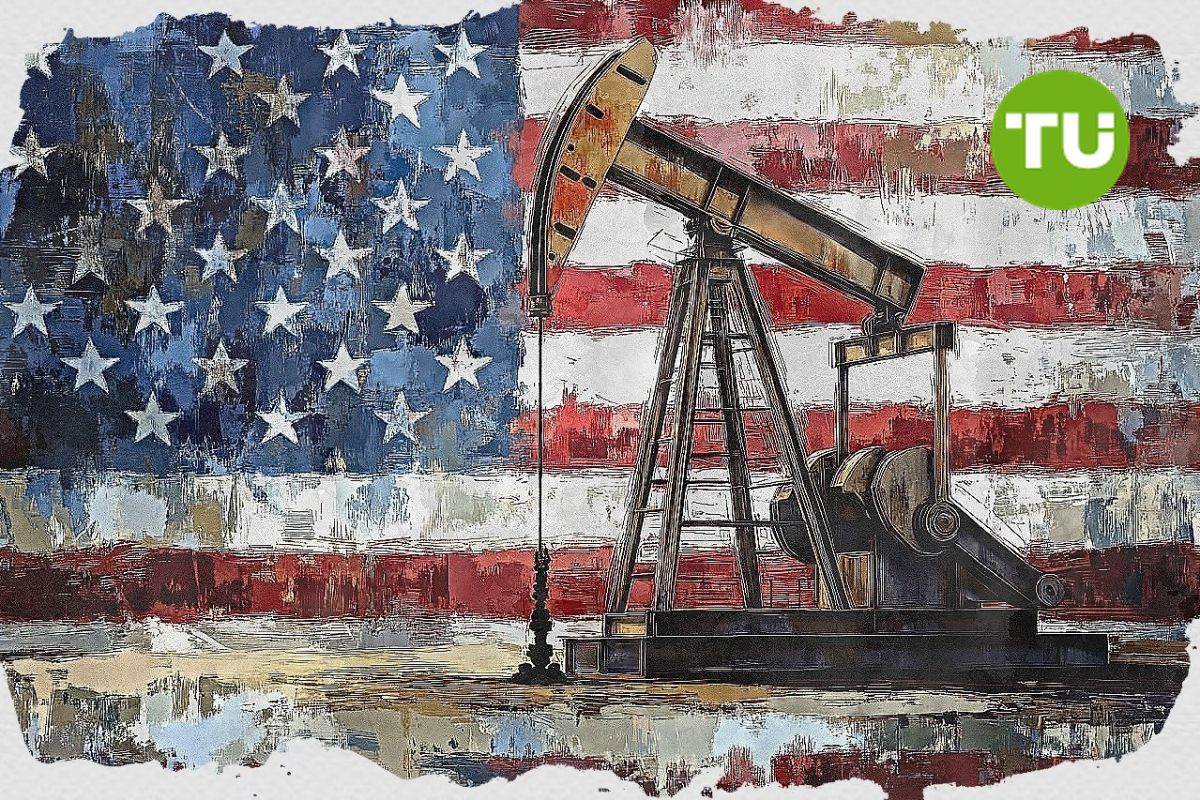
The oil market has shifted into a “real-time geopolitical terminal” mode, where WTI and Brent react sharply to headlines, tanker movements, and the status of the Strait of Hormuz. The current price decline is driven by cautious optimism following statements by President Trump about progress in negotiations with Iran and a temporary pause in escalation. Despite this, the geopolitical risk premium remains high: around 20% of global oil flows are still under threat due to disruptions in this key chokepoint, while insurance and logistics costs continue to support prices at elevated levels, far from fundamental lows.

The fundamental landscape has changed following the UAE’s exit from OPEC on May 1, 2026. Market participants view this as the beginning of cartel fragmentation, giving the Emirates freedom to increase production from the current 3.4 million barrels per day to a target of 5 million by 2027. While this could intensify competition and put pressure on prices in the long term, the current market remains “bullish” due to limited spare capacity and strong demand from Asia, particularly China, which continues to ignore sanction pressure.
In the medium term, the market is pricing in the possibility of a structurally higher energy price environment. If diplomatic efforts fail and a blockade of the Strait of Hormuz persists, price scenarios in the 120–150 USD/bbl range are no longer seen as speculative. In the short term, volatility with intraday swings of 3–8% is becoming the new normal. The main constraints on further explosive growth remain a potential increase in U.S. shale production above 100 USD/bbl and the risk of demand destruction due to inflationary pressure on the global economy.
At the moment, WTI is once again trading below the 100 USD/bbl level and may continue declining toward 95. However, as I mentioned earlier in U.S. crude under pressure after rally as rising production weighs, any escalation in the Middle East will trigger another sharp upward spike.





Latest WTI News




-
 Afghanistan
-
 Albania
-
 Algeria
-
 Angola
-
 Argentina
-
 Armenia
-
 Australia
-
 Austria
-
 Azerbaijan
-
 Bahamas
-
 Bahrain
-
 Bangladesh
-
 Belarus
-
 Belgium
-
 Bolivia
-
 Botswana
-
 Brazil
-
 Brunei
-
 Bulgaria
-
 Cambodia
-
 Cameroon
-
 Canada
-
 Chile
Chile
-
 China
China
-
 Colombia
-
 Congo
Congo
-
 Costa Rica
-
 Cote d'Ivoire
-
 Croatia
-
 Cuba
Cuba
-
 Cyprus
-
 Czechia
-
 DR Congo
-
 Denmark
-
 Dominican Republic
-
 Ecuador
-
 Egypt
Egypt
-
 El Salvador
-
 Estonia
-
 Eswatini
-
 Ethiopia
-
 Finland
-
 France
-
 Georgia
-
 Germany
-
 Ghana
Ghana
-
 Greece
-
 Haiti
Haiti
-
 Hong Kong
-
 Hungary
-
 India
India
-
 Indonesia
-
 Iran, Islamic republic
-
 Iraq
Iraq
-
 Ireland
-
 Israel
-
 Italy
Italy
-
 Jamaica
-
 Japan
Japan
-
 Jordan
-
 Kazakhstan
-
 Kenya
Kenya
-
 Korea
Korea
-
 Kuwait
-
 Kyrgyzstan
-
 Laos
Laos
-
 Latvia
-
 Lebanon
-
 Lesotho
-
 Libya
Libya
-
 Lithuania
-
 Luxembourg
-
 Madagascar
-
 Malaysia
-
 Malta
Malta
-
 Mauritius
-
 Mexico
-
 Moldova
-
 Mongolia
-
 Montenegro
-
 Morocco
-
 Mozambique
-
 Myanmar
-
 Namibia
-
 Nepal
Nepal
-
 Netherlands
-
 New Zealand
-
 Nigeria
-
 North Macedonia
-
 Norway
-
 Oman
Oman
-
 Pakistan
-
 Palestine
-
 Panama
-
 Papua New Guinea
-
 Paraguay
-
 Peru
Peru
-
 Philippines
-
 Poland
-
 Portugal
-
 Puerto Rico
-
 Qatar
Qatar
-
 Reunion
-
 Romania
-
 Rwanda
-
 Saudi Arabia
-
 Serbia
-
 Singapore
-
 Slovakia
-
 Slovenia
-
 Somalia
-
 South Africa
-
 Spain
Spain
-
 Sri Lanka
-
 Sweden
-
 Switzerland
-
 Syria
Syria
-
 Taiwan
-
 Tajikistan
-
 Tanzania
-
 Thailand
-
 Trinidad and Tobago
-
 Tunisia
-
 Turkey
-
 UAE
UAE
-
 Uganda
-
 Ukraine
-
 United Kingdom
-
United States
-
 Uruguay
-
 Uzbekistan
-
 Venezuela
-
 Vietnam
-
 Yemen
Yemen
-
 Zambia
-
 Zimbabwe
- Forex
- Crypto












