
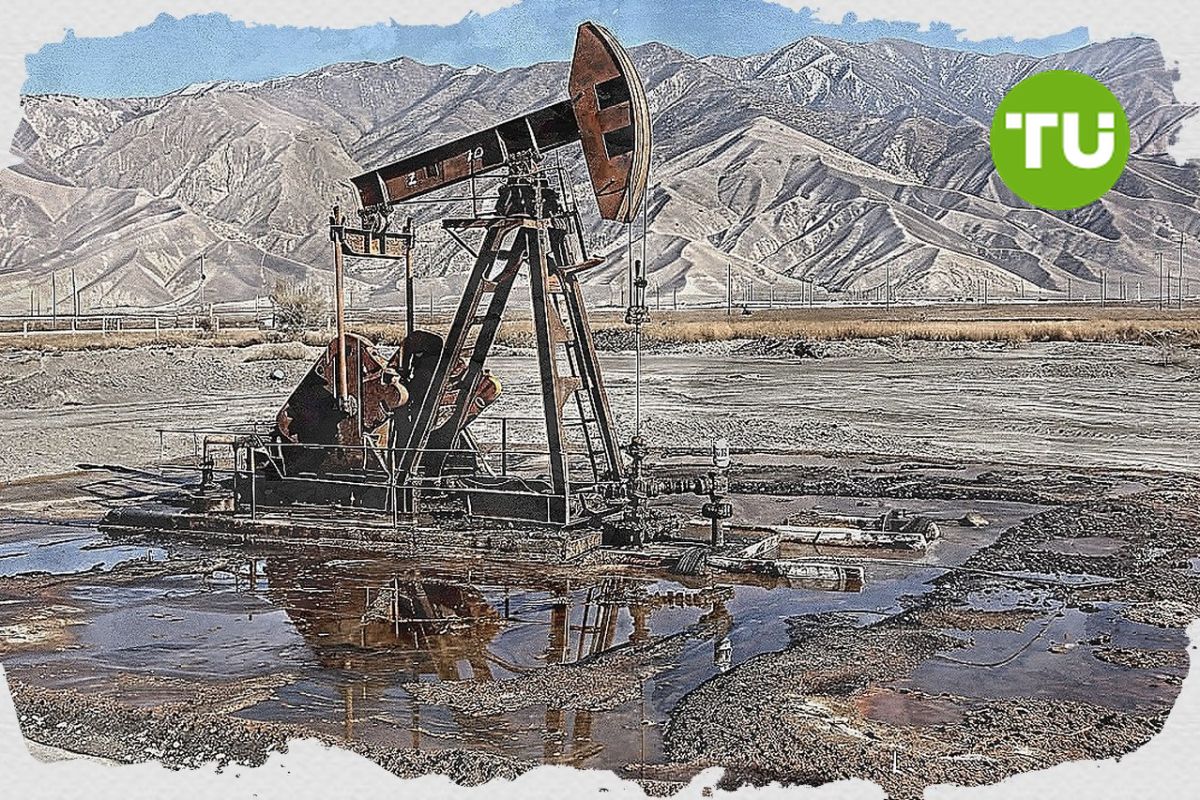
WTI crude oil remains highly volatile, with the market reacting to virtually every headline related to Iran and the Strait of Hormuz. In recent days, oil prices first dropped sharply on expectations of a potential U.S.–Iran deal and a reopening of Hormuz, only to rebound after an exchange of strikes in the Persian Gulf.
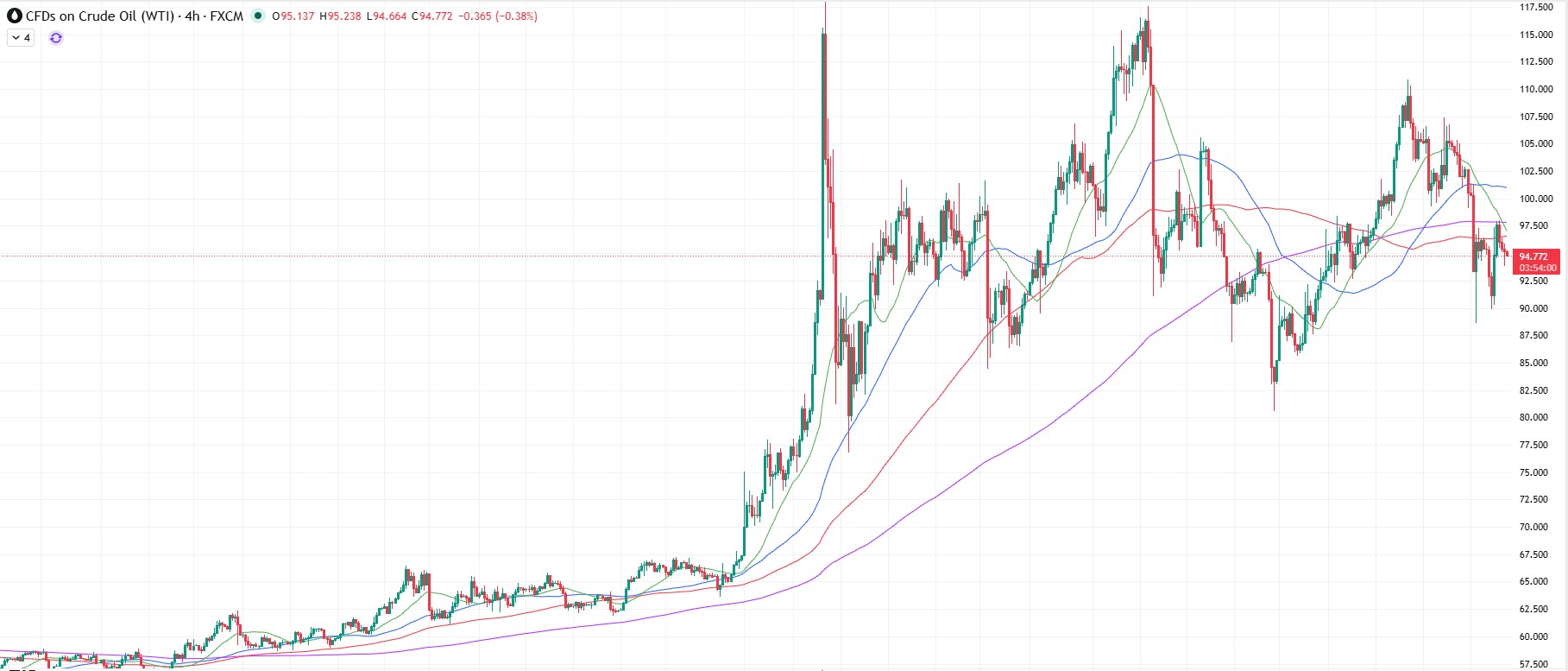
As a result, during yesterday’s trading session, WTI fluctuated in the $90–96 range. At the moment, oil prices carry a significant geopolitical premium, and the market is effectively trading not on fundamentals, but on the risk of supply disruptions.
U.S. inventories provided unexpected support
An additional bullish factor came from the latest inventory data. The API reported a large draw in crude inventories of around 8.1 million barrels, while the EIA confirmed a second consecutive weekly decline in U.S. commercial crude stocks. At the same time, gasoline and distillate inventories are also falling, and Cushing has posted another drawdown. This signals that the physical market remains relatively tight despite concerns about demand and discussions of potential oversupply later in 2026.
OPEC+ and the Middle East keep the market on edge
The market is also closely watching OPEC+ and production levels in the Persian Gulf. Amid reports that the UAE may partially step away from OPEC+ output limits, along with ongoing supply disruptions in the Middle East, forward curves for both Brent and WTI have moved into deep backwardation — indicating a premium for near-term supply. WTI could temporarily rise toward $110–115 in Q2 2026 if supply risks persist. However, in the longer term, some analysts still expect prices to move lower due to increasing production from the U.S., Brazil, and Guyana.
What matters now
The key driver in the coming weeks is the situation around Iran and the Strait of Hormuz. The market remains extremely sensitive to any military or diplomatic developments. If tensions persist, WTI could quickly move back above $100, especially given low inventories and high refinery runs. However, if there are clear signs of sustained de-escalation between the U.S. and Iran, part of the geopolitical premium could unwind rapidly, creating a risk of a sharp downside correction.
As noted earlier in U.S. crude declines as progress in U.S.–Iran talks puts pressure on prices, any easing of tensions in the Middle East increases downward pressure on WTI.





Latest WTI News



-
 Afghanistan
-
 Albania
-
 Algeria
-
 Angola
-
 Argentina
-
 Armenia
-
 Australia
-
 Austria
-
 Azerbaijan
-
 Bahamas
-
 Bahrain
-
 Bangladesh
-
 Belarus
-
 Belgium
-
 Bolivia
-
 Botswana
-
 Brazil
-
 Brunei
-
 Bulgaria
-
 Cambodia
-
 Cameroon
-
 Canada
-
 Chile
Chile
-
 China
China
-
 Colombia
-
 Congo
Congo
-
 Costa Rica
-
 Cote d'Ivoire
-
 Croatia
-
 Cuba
Cuba
-
 Cyprus
-
 Czechia
-
 DR Congo
-
 Denmark
-
 Dominican Republic
-
 Ecuador
-
 Egypt
Egypt
-
 El Salvador
-
 Estonia
-
 Eswatini
-
 Ethiopia
-
 Finland
-
 France
-
 Georgia
-
 Germany
-
 Ghana
Ghana
-
 Greece
-
 Haiti
Haiti
-
 Hong Kong
-
 Hungary
-
 India
India
-
 Indonesia
-
 Iran, Islamic republic
-
 Iraq
Iraq
-
 Ireland
-
 Israel
-
 Italy
Italy
-
 Jamaica
-
 Japan
Japan
-
 Jordan
-
 Kazakhstan
-
 Kenya
Kenya
-
 Korea
Korea
-
 Kuwait
-
 Kyrgyzstan
-
 Laos
Laos
-
 Latvia
-
 Lebanon
-
 Lesotho
-
 Libya
Libya
-
 Lithuania
-
 Luxembourg
-
 Madagascar
-
 Malaysia
-
 Malta
Malta
-
 Mauritius
-
 Mexico
-
 Moldova
-
 Mongolia
-
 Montenegro
-
 Morocco
-
 Mozambique
-
 Myanmar
-
 Namibia
-
 Nepal
Nepal
-
 Netherlands
-
 New Zealand
-
 Nigeria
-
 North Macedonia
-
 Norway
-
 Oman
Oman
-
 Pakistan
-
 Palestine
-
 Panama
-
 Papua New Guinea
-
 Paraguay
-
 Peru
Peru
-
 Philippines
-
 Poland
-
 Portugal
-
 Puerto Rico
-
 Qatar
Qatar
-
 Reunion
-
 Romania
-
 Rwanda
-
 Saudi Arabia
-
 Serbia
-
 Singapore
-
 Slovakia
-
 Slovenia
-
 Somalia
-
 South Africa
-
 Spain
Spain
-
 Sri Lanka
-
 Sweden
-
 Switzerland
-
 Syria
Syria
-
 Taiwan
-
 Tajikistan
-
 Tanzania
-
 Thailand
-
 Trinidad and Tobago
-
 Tunisia
-
 Turkey
-
 UAE
UAE
-
 Uganda
-
 Ukraine
-
 United Kingdom
-
United States
-
 Uruguay
-
 Uzbekistan
-
 Venezuela
-
 Vietnam
-
 Yemen
Yemen
-
 Zambia
-
 Zimbabwe
- Forex
- Crypto












