
House Oversight Committee schedules markup on oversight bills
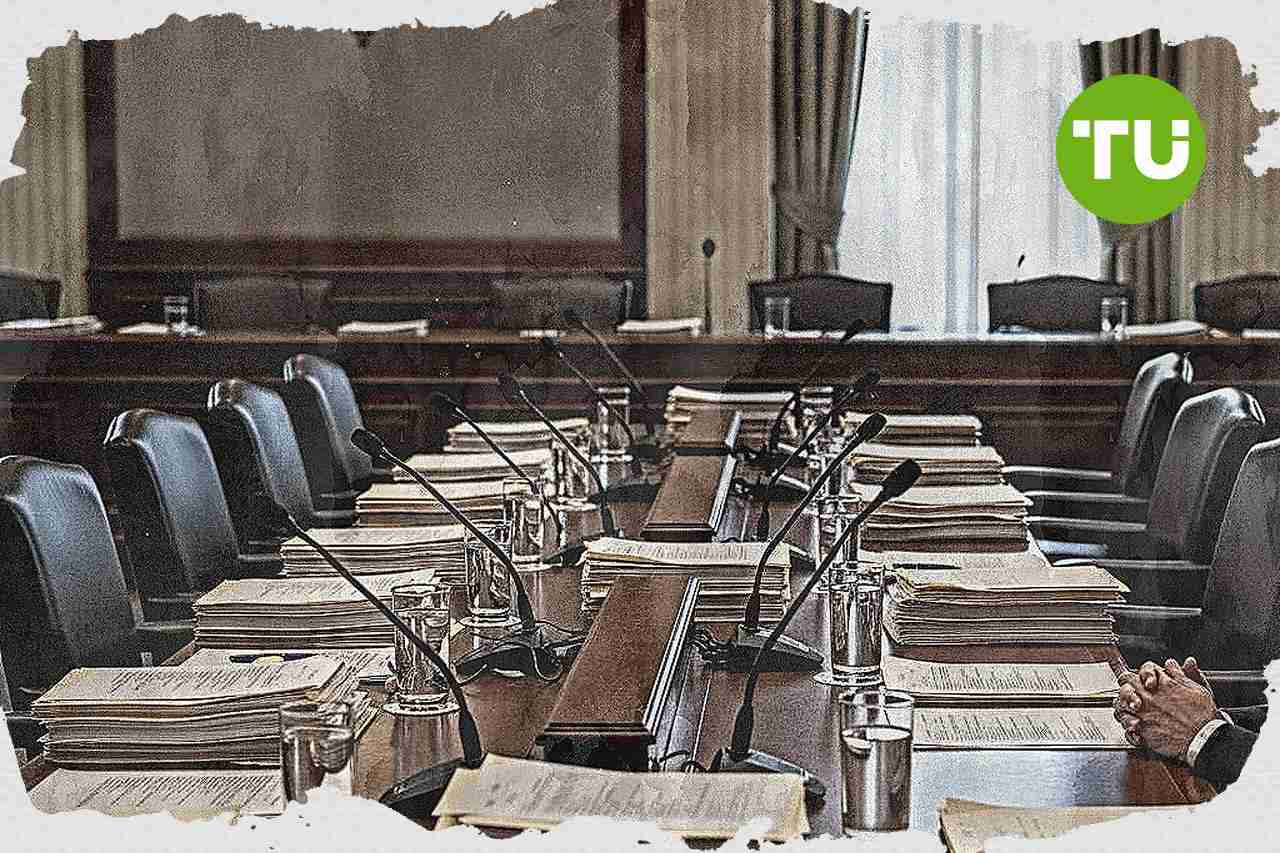
The House Committee on Oversight and Government Reform is set to review a package of bills on May 20 as lawmakers focus on federal efficiency, taxpayer protections, and agency accountability. The agenda spans measures on duplicate spending, District of Columbia traffic tolling, retirement benefits for certain border officers, and the preservation of civil rights cold case records.
Highlights
- H.R. 8096, the Duplication Scoring Act of 2026, would require GAO analysis and public disclosure of legislative overlap with existing federal programs to address inefficiency.
- H.R. 8801 seeks to amend the D.C. Home Rule Act to prohibit the D.C. Council and Mayor from implementing congestion traffic tolls affecting local commuters and the regional economy.
- The Civil Rights Cold Case Records Collection Reauthorization Act would extend the review board through Jan. 8, 2030, broadening authority and funding for archival records related to unresolved cases.
May 20 markup agenda and legislation
As announced by the House Committee on Oversight and Accountability, Chairman James Comer says the full committee markup is scheduled for Wednesday, May 20 at 10:00 a.m. ET to consider several bills designed to strengthen oversight.Comer says the committee remains focused on protecting taxpayers and making sure the federal government operates efficiently, effectively, and with accountability. He says the legislation under review advances the panel’s mission of strengthening oversight and ensuring agencies deliver results for the American people.
Among the measures is H.R. 8096, the Duplication Scoring Act of 2026, which would require the Comptroller General of the U.S. to analyze certain legislation reported by congressional committees for overlap with existing federal programs, offices, and initiatives. The bill also requires those findings to be shared with the relevant committee and published through the GAO website.
Another bill, H.R. 8801, the D.C. Rejecting Oppressive Automotive Driving Surcharges Act, would amend the D.C. Home Rule Act to bar the D.C. Council from enacting, and the D.C. Mayor from enforcing, a congestion traffic toll in the district. The proposal covers tolls for entering or passing through congestion pricing zones, including roads, bridges, and tunnels.
The committee also plans to consider the U.S. Customs and Border Protection Officer Retirement Technical Corrections Act, which is intended to preserve retirement benefits previously promised to a small group of CBP officers before a later interpretive decision by the Office of Personnel Management. H.R. 3087, the Civil Rights Cold Case Records Collection Reauthorization Act, would extend the Civil Rights Cold Case Review Board through Jan. 8, 2030 and broaden its authority over records transmission and reimbursement for related costs.
Government operations and regional impact
The markup package reflects a wider push to tighten scrutiny of federal spending and administrative decisions. The duplication bill targets longstanding concerns that overlapping programs waste billions in taxpayer funds, while the CBP retirement measure addresses workforce planning and benefit certainty for affected officers.The D.C. tolling proposal also carries implications for the local economy and for commuters traveling into the nation’s capital from surrounding areas. Supporters of the bill argue a congestion charge could raise costs for workers, including federal employees, and weigh on access to jobs in Washington.
The cold case records bill adds a separate governance and archival dimension to the committee’s work. By extending the review board and expanding the handling of older records, the measure is aimed at improving preservation, transfer, and possible public release of documents tied to unresolved civil rights-era cases.
In our earlier report on CBP border enforcement metrics, we covered the administration’s claim of a full year with zero migrant releases and a sharp drop in southwest border apprehensions, alongside increased nationwide drug seizures. The article framed these figures as part of a broader border-security push focused on interdiction, removals, and operational control.


Latest Legislation News







-
 Afghanistan
-
 Albania
-
 Algeria
-
 Angola
-
 Argentina
-
 Armenia
-
 Australia
-
 Austria
-
 Azerbaijan
-
 Bahamas
-
 Bahrain
-
 Bangladesh
-
 Belarus
-
 Belgium
-
 Bolivia
-
 Botswana
-
 Brazil
-
 Brunei
-
 Bulgaria
-
 Cambodia
-
 Cameroon
-
 Canada
-
 Chile
Chile
-
 China
China
-
 Colombia
-
 Congo
Congo
-
 Costa Rica
-
 Cote d'Ivoire
-
 Croatia
-
 Cuba
Cuba
-
 Cyprus
-
 Czechia
-
 DR Congo
-
 Denmark
-
 Dominican Republic
-
 Ecuador
-
 Egypt
Egypt
-
 El Salvador
-
 Estonia
-
 Eswatini
-
 Ethiopia
-
 Finland
-
 France
-
 Georgia
-
 Germany
-
 Ghana
Ghana
-
 Greece
-
 Haiti
Haiti
-
 Hong Kong
-
 Hungary
-
 India
India
-
 Indonesia
-
 Iran, Islamic republic
-
 Iraq
Iraq
-
 Ireland
-
 Israel
-
 Italy
Italy
-
 Jamaica
-
 Japan
Japan
-
 Jordan
-
 Kazakhstan
-
 Kenya
Kenya
-
 Korea
Korea
-
 Kuwait
-
 Kyrgyzstan
-
 Laos
Laos
-
 Latvia
-
 Lebanon
-
 Lesotho
-
 Libya
Libya
-
 Lithuania
-
 Luxembourg
-
 Madagascar
-
 Malaysia
-
 Malta
Malta
-
 Mauritius
-
 Mexico
-
 Moldova
-
 Mongolia
-
 Montenegro
-
 Morocco
-
 Mozambique
-
 Myanmar
-
 Namibia
-
 Nepal
Nepal
-
 Netherlands
-
 New Zealand
-
 Nigeria
-
 North Macedonia
-
 Norway
-
 Oman
Oman
-
 Pakistan
-
 Palestine
-
 Panama
-
 Papua New Guinea
-
 Paraguay
-
 Peru
Peru
-
 Philippines
-
 Poland
-
 Portugal
-
 Puerto Rico
-
 Qatar
Qatar
-
 Reunion
-
 Romania
-
 Rwanda
-
 Saudi Arabia
-
 Serbia
-
 Singapore
-
 Slovakia
-
 Slovenia
-
 Somalia
-
 South Africa
-
 Spain
Spain
-
 Sri Lanka
-
 Sweden
-
 Switzerland
-
 Syria
Syria
-
 Taiwan
-
 Tajikistan
-
 Tanzania
-
 Thailand
-
 Trinidad and Tobago
-
 Tunisia
-
 Turkey
-
 UAE
UAE
-
 Uganda
-
 Ukraine
-
 United Kingdom
-
United States
-
 Uruguay
-
 Uzbekistan
-
 Venezuela
-
 Vietnam
-
 Yemen
Yemen
-
 Zambia
-
 Zimbabwe
- Forex
- Crypto











