
EU cuts growth outlook as Iran war drives stagflation risk
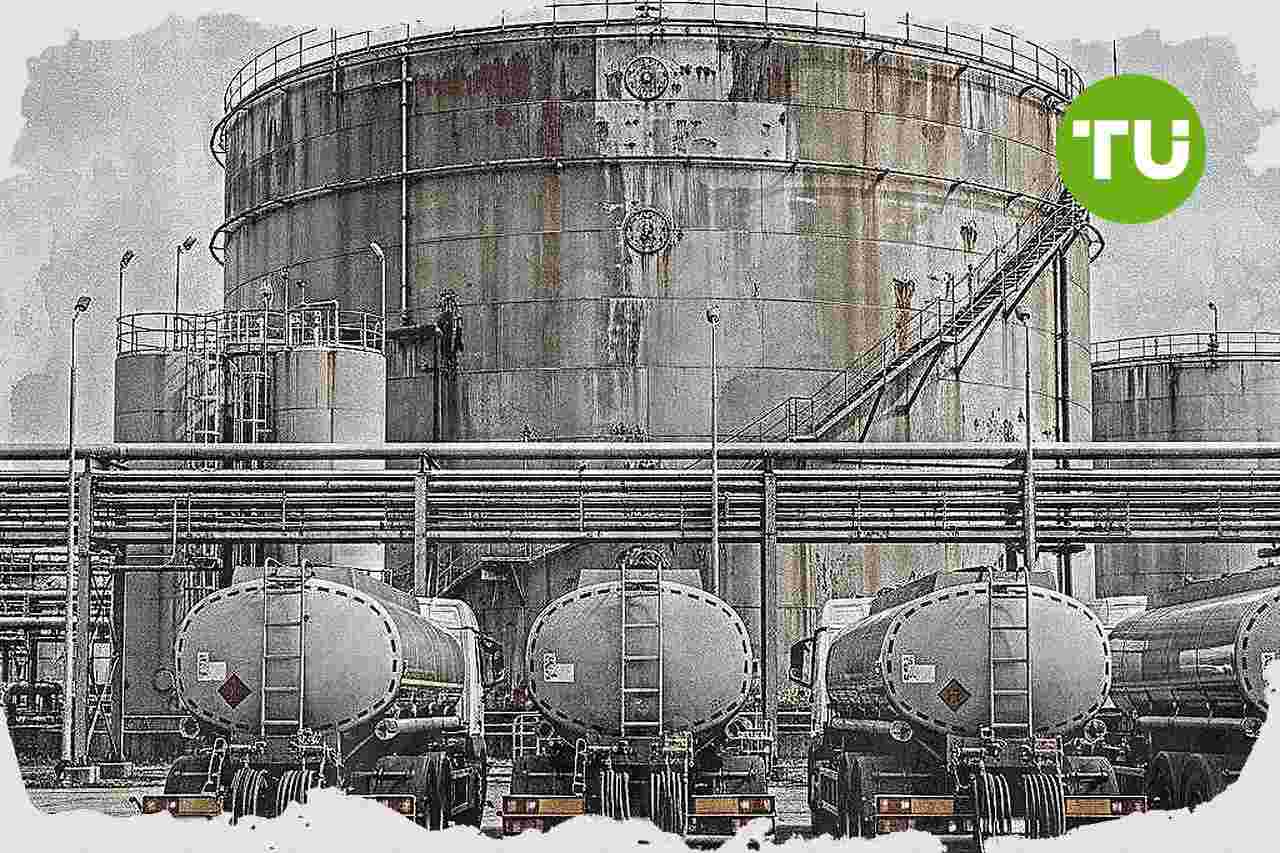
European Union officials are preparing to lower the bloc's economic growth forecast and raise their inflation projections as energy market disruption from the Iran war intensifies. The revised spring outlook, due later this week, highlights mounting pressure on policymakers as oil prices stay above $100 a barrel and supply risks deepen across Europe.
Highlights
- EU's spring forecast will cut growth and raise inflation expectations due to a stagflationary shock from the Iran war, says Valdis Dombrovskis.
- Oil prices remain above $100 a barrel with the Strait of Hormuz closed, pressuring inflation and weakening European growth prospects.
- Global oil stockpiles are depleting at a record pace and may not recover until December 2027, raising risk of physical shortages and further price spikes, according to the International Energy Agency.
Spring forecast shifts on war-driven energy shock
As reported by CNBC, European Commissioner for Economy and Productivity Valdis Dombrovskis says the EU's upcoming spring forecast will revise growth figures downward and inflation figures upward because of what he describes as a stagflationary shock linked to the Iran war.Dombrovskis says on Monday, on the sidelines of a meeting of G7 finance ministers in Paris, that policymakers are facing a more limited margin for action. He says support measures should be temporary and targeted, rather than broad-based steps that sustain high demand for fossil fuels.
His comments come as fears of stagflation rise in recent weeks. With no lasting settlement to the conflict in the Middle East and the Strait of Hormuz closed, oil prices remain above $100 a barrel, adding to inflation pressure while weakening growth prospects.
Europe faces tighter supply and policy constraints
Dombrovskis says the EU's release of strategic oil reserves is ongoing, while adding that there are concerns about shortages in areas such as innovation fuels. He warns that the longer the conflict continues, the greater the risk of supply bottlenecks, reinforcing the case against policy responses that would lift fossil fuel demand.Broader industry signals point to sustained pressure on the region's energy balance. Strategists warn that global oil stockpiles are falling sharply and may not recover until December 2027, with physical shortages potentially looming over Europe by the end of this month.
The International Energy Agency says in its latest monthly update that global oil inventories are depleting at a record pace. The agency warns that rapidly shrinking buffers amid continued disruptions may signal further price spikes ahead, adding to the inflation challenge facing the EU economy.
Our earlier article on the Bank of England’s Megan Greene warning about repeated supply shocks explained why policymakers cannot assume the Iran war’s inflation impact will fade quickly. It highlighted the risk of second-round effects from higher energy prices feeding into wages and broader price-setting, potentially keeping inflation elevated and complicating the path for interest rates.









-
 Afghanistan
-
 Albania
-
 Algeria
-
 Angola
-
 Argentina
-
 Armenia
-
 Australia
-
 Austria
-
 Azerbaijan
-
 Bahamas
-
 Bahrain
-
 Bangladesh
-
 Belarus
-
 Belgium
-
 Bolivia
-
 Botswana
-
 Brazil
-
 Brunei
-
 Bulgaria
-
 Cambodia
-
 Cameroon
-
 Canada
-
 Chile
Chile
-
 China
China
-
 Colombia
-
 Congo
Congo
-
 Costa Rica
-
 Cote d'Ivoire
-
 Croatia
-
 Cuba
Cuba
-
 Cyprus
-
 Czechia
-
 DR Congo
-
 Denmark
-
 Dominican Republic
-
 Ecuador
-
 Egypt
Egypt
-
 El Salvador
-
 Estonia
-
 Eswatini
-
 Ethiopia
-
 Finland
-
 France
-
 Georgia
-
 Germany
-
 Ghana
Ghana
-
 Greece
-
 Haiti
Haiti
-
 Hong Kong
-
 Hungary
-
 India
India
-
 Indonesia
-
 Iran, Islamic republic
-
 Iraq
Iraq
-
 Ireland
-
 Israel
-
 Italy
Italy
-
 Jamaica
-
 Japan
Japan
-
 Jordan
-
 Kazakhstan
-
 Kenya
Kenya
-
 Korea
Korea
-
 Kuwait
-
 Kyrgyzstan
-
 Laos
Laos
-
 Latvia
-
 Lebanon
-
 Lesotho
-
 Libya
Libya
-
 Lithuania
-
 Luxembourg
-
 Madagascar
-
 Malaysia
-
 Malta
Malta
-
 Mauritius
-
 Mexico
-
 Moldova
-
 Mongolia
-
 Montenegro
-
 Morocco
-
 Mozambique
-
 Myanmar
-
 Namibia
-
 Nepal
Nepal
-
 Netherlands
-
 New Zealand
-
 Nigeria
-
 North Macedonia
-
 Norway
-
 Oman
Oman
-
 Pakistan
-
 Palestine
-
 Panama
-
 Papua New Guinea
-
 Paraguay
-
 Peru
Peru
-
 Philippines
-
 Poland
-
 Portugal
-
 Puerto Rico
-
 Qatar
Qatar
-
 Reunion
-
 Romania
-
 Rwanda
-
 Saudi Arabia
-
 Serbia
-
 Singapore
-
 Slovakia
-
 Slovenia
-
 Somalia
-
 South Africa
-
 Spain
Spain
-
 Sri Lanka
-
 Sweden
-
 Switzerland
-
 Syria
Syria
-
 Taiwan
-
 Tajikistan
-
 Tanzania
-
 Thailand
-
 Trinidad and Tobago
-
 Tunisia
-
 Turkey
-
 UAE
UAE
-
 Uganda
-
 Ukraine
-
 United Kingdom
-
United States
-
 Uruguay
-
 Uzbekistan
-
 Venezuela
-
 Vietnam
-
 Yemen
Yemen
-
 Zambia
-
 Zimbabwe
- Forex
- Crypto











