
Nvidia beats forecasts, but investors question growth pace
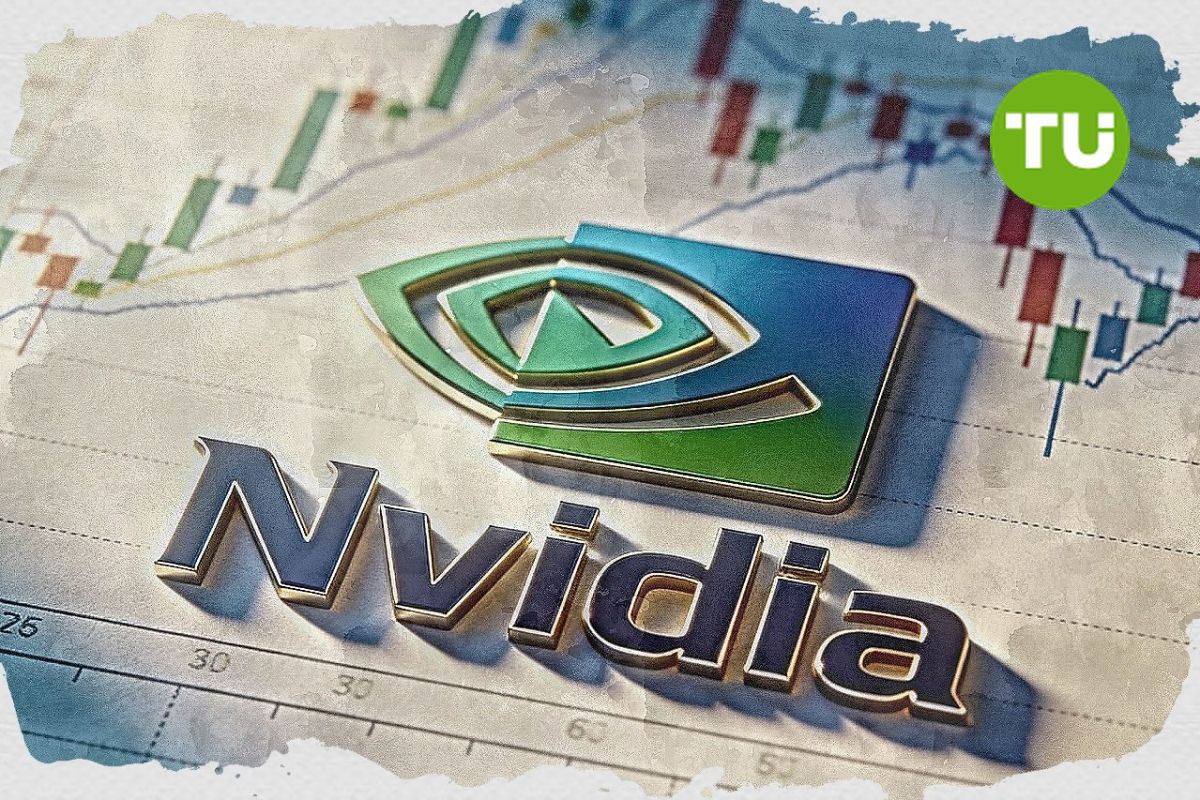
Nvidia once again delivered a quarter that most companies would describe as exceptional, but for the world’s most valuable company, records alone were not enough. Investors are now looking beyond the current AI chip boom and asking whether Nvidia can keep its growth pace as competitors and major customers accelerate their own chip plans.
Highlights
- Nvidia revenue for the fiscal first quarter reached $81.6 billion, up 85% year over year.
- Data center revenue rose 92% to $75.2 billion.
- Net income reached $58.32 billion, or $2.39 per share.
- The company forecast current-quarter sales of about $91 billion, above analyst expectations of about $87.29 billion.
- Nvidia raised its quarterly dividend from $0.01 to $0.25 per share and announced an additional $80 billion buyback.
Record quarter, muted market reaction
According to Bloomberg, Nvidia reported $81.6 billion in revenue for the quarter ended April 26, up 20% from the previous quarter and 85% from a year earlier. The main growth engine remained data centers, where sales rose 92% year over year to $75.2 billion. The company also confirmed an additional $80 billion share repurchase program and sharply raised its dividend, from one cent to 25 cents per share.
The results beat Wall Street expectations. Analysts had expected revenue of $78.91 billion and adjusted earnings of $1.75 per share, while Nvidia earned $1.76 per share excluding one-time items. Net income reached $58.32 billion, up sharply from $18.78 billion a year earlier.
But the market reaction was cool. Nvidia shares slipped slightly after the close to $222.12, even though the company issued current-quarter guidance of about $91 billion, above analyst expectations of $87.29 billion. For investors, the message was clear: expectations have risen so high that even a strong report no longer guarantees a higher share price.
Huang pushes diversification
CEO Jensen Huang tried to show that Nvidia is not simply dependent on spending by a handful of the largest data center operators. The company is pointing to growing demand from enterprises, governments, and industries building their own artificial intelligence infrastructure. Huang described the construction of “AI factories” as the largest infrastructure expansion in history and highlighted future opportunities in physical AI, including robots and autonomous vehicles.
That shift matters. Until now, Nvidia’s surge has been driven largely by hyperscalers, the biggest cloud and technology companies. But that concentration creates risk: if Microsoft, Amazon, Google, or Meta slow capital spending or move more aggressively toward their own chips, Nvidia’s growth could become less predictable.
Competition is already intensifying. AMD is pushing its own AI accelerators, Broadcom and Google are developing custom solutions, and Amazon is expanding its Trainium lineup. Alphabet, Amazon, AMD and Intel are all becoming more active in offering their own or cheaper chips for AI inference, while Nvidia shares have lagged AMD and Intel this year.
The maturity test for an AI leader
The main question now is not whether Nvidia is growing. It is growing very quickly. The question is whether the company is moving from explosive expansion into a phase where investors need dividends, buybacks, and a broader customer base to justify its valuation.
Nvidia is already trying to strengthen the ecosystem around itself. Over the past 16 months, the company has directed about $90 billion into deals and investments across more than 145 companies, including AI developers, cloud providers, and infrastructure partners. That strategy helps retain customers and accelerate AI infrastructure development, but it also makes the market more dependent on one company.
Nvidia’s market value has risen from about $400 billion at the end of 2022 to $5.4 trillion. At that level, investors want more than record revenue. They want a clear answer on whether growth is sustainable. That is why Nvidia’s report was not a disappointment on the numbers but a test of confidence: whether the market still believes demand for AI infrastructure can withstand competition, geopolitics, and rising expectations.
It was earlier reported that U.S. stocks fell as Iran threatened wider conflict.


Latest NVDA News




-
 Afghanistan
-
 Albania
-
 Algeria
-
 Angola
-
 Argentina
-
 Armenia
-
 Australia
-
 Austria
-
 Azerbaijan
-
 Bahamas
-
 Bahrain
-
 Bangladesh
-
 Belarus
-
 Belgium
-
 Bolivia
-
 Botswana
-
 Brazil
-
 Brunei
-
 Bulgaria
-
 Cambodia
-
 Cameroon
-
 Canada
-
 Chile
Chile
-
 China
China
-
 Colombia
-
 Congo
Congo
-
 Costa Rica
-
 Cote d'Ivoire
-
 Croatia
-
 Cuba
Cuba
-
 Cyprus
-
 Czechia
-
 DR Congo
-
 Denmark
-
 Dominican Republic
-
 Ecuador
-
 Egypt
Egypt
-
 El Salvador
-
 Estonia
-
 Eswatini
-
 Ethiopia
-
 Finland
-
 France
-
 Georgia
-
 Germany
-
 Ghana
Ghana
-
 Greece
-
 Haiti
Haiti
-
 Hong Kong
-
 Hungary
-
 India
India
-
 Indonesia
-
 Iran, Islamic republic
-
 Iraq
Iraq
-
 Ireland
-
 Israel
-
 Italy
Italy
-
 Jamaica
-
 Japan
Japan
-
 Jordan
-
 Kazakhstan
-
 Kenya
Kenya
-
 Korea
Korea
-
 Kuwait
-
 Kyrgyzstan
-
 Laos
Laos
-
 Latvia
-
 Lebanon
-
 Lesotho
-
 Libya
Libya
-
 Lithuania
-
 Luxembourg
-
 Madagascar
-
 Malaysia
-
 Malta
Malta
-
 Mauritius
-
 Mexico
-
 Moldova
-
 Mongolia
-
 Montenegro
-
 Morocco
-
 Mozambique
-
 Myanmar
-
 Namibia
-
 Nepal
Nepal
-
 Netherlands
-
 New Zealand
-
 Nigeria
-
 North Macedonia
-
 Norway
-
 Oman
Oman
-
 Pakistan
-
 Palestine
-
 Panama
-
 Papua New Guinea
-
 Paraguay
-
 Peru
Peru
-
 Philippines
-
 Poland
-
 Portugal
-
 Puerto Rico
-
 Qatar
Qatar
-
 Reunion
-
 Romania
-
 Rwanda
-
 Saudi Arabia
-
 Serbia
-
 Singapore
-
 Slovakia
-
 Slovenia
-
 Somalia
-
 South Africa
-
 Spain
Spain
-
 Sri Lanka
-
 Sweden
-
 Switzerland
-
 Syria
Syria
-
 Taiwan
-
 Tajikistan
-
 Tanzania
-
 Thailand
-
 Trinidad and Tobago
-
 Tunisia
-
 Turkey
-
 UAE
UAE
-
 Uganda
-
 Ukraine
-
 United Kingdom
-
United States
-
 Uruguay
-
 Uzbekistan
-
 Venezuela
-
 Vietnam
-
 Yemen
Yemen
-
 Zambia
-
 Zimbabwe
- Forex
- Crypto












