

The oil market turned higher again after new U.S. strikes on targets in Iran. Hopes for a quick agreement to reopen the Strait of Hormuz remain, but the military escalation showed that a deal is still vulnerable to disruption.
Highlights
- Brent rose more than 2% after U.S. strikes on Iran.
- Brent traded around $98.12–$98.40 a barrel.
- WTI remained near $92.01 and below Friday’s close.
- Rubio said talks could take several days.
Brent recovers part of its decline
According to Bloomberg, Brent futures rose more than 2% in Asian trading on Tuesday after the U.S. military struck targets in southern Iran. Brent was up $2.07, or 2.17%, at $98.23 a barrel, after falling about 7% in the previous session.
WTI traded near $91.71, remaining below Friday’s close; U.S. trading was closed on Monday for Memorial Day. The spread with WTI widened after U.S. strikes and Israeli attacks on Hezbollah.
Asian markets moved mixed on Tuesday after the U.S. strikes, which Washington described as defensive, as investors assessed both the risk of escalation and the possibility of diplomatic progress.
Talks continue, but a quick deal is not guaranteed
U.S. Secretary of State Marco Rubio said talks with Iran could “take several days,” cooling expectations of an immediate end to the conflict. Earlier, President Donald Trump had pointed to progress in negotiations and a possible agreement that would stop the war and reopen the Strait of Hormuz.
The proposed memorandum could give negotiators 60 days to reach a final agreement. Nikkei reported that under a possible deal, Iran could clear mines from the strait within 30 days, after which vessels from all countries would be able to pass safely through the route, while Tehran would stop charging transit fees.
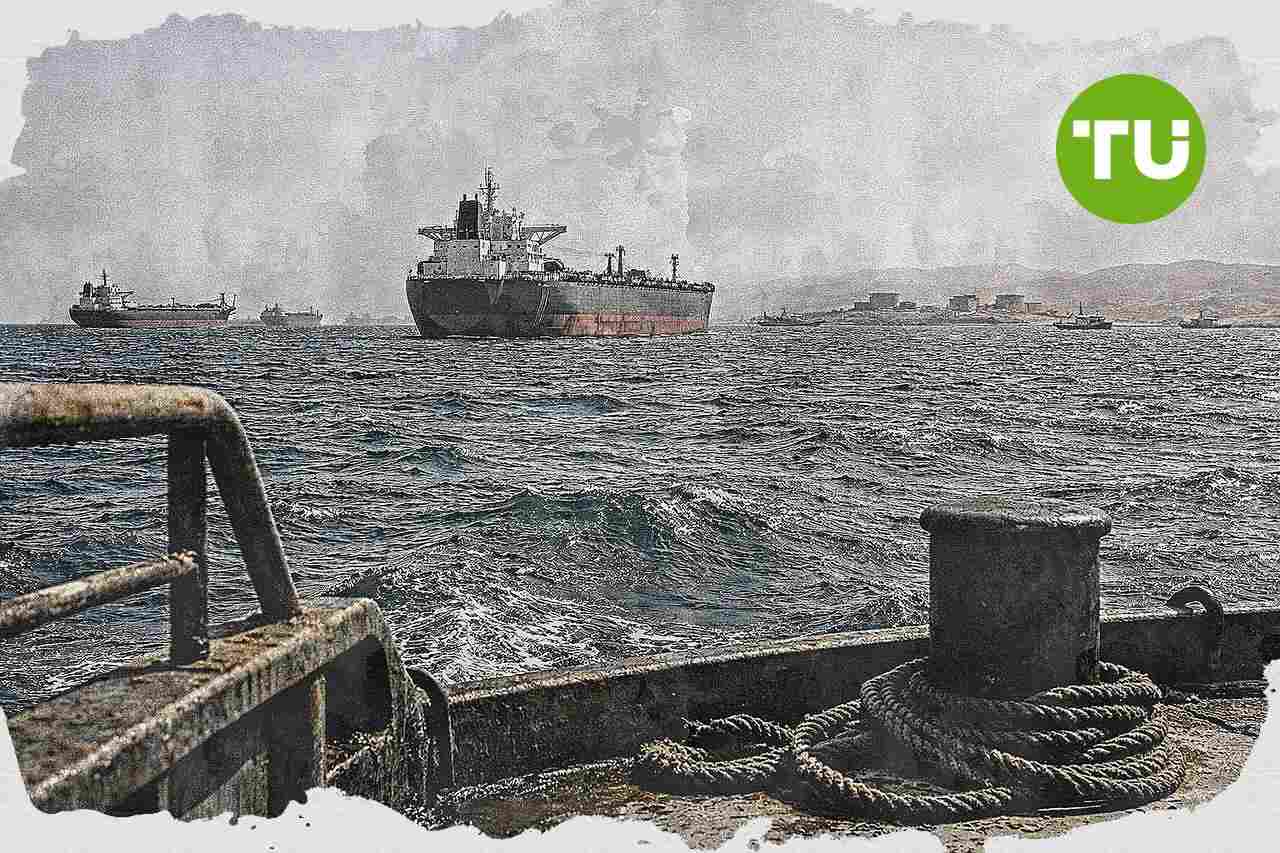
The Strait of Hormuz remains the key risk point: about one-fifth of global oil and liquefied natural gas flows pass through it. Brent had earlier fallen below $100 on hopes for a deal, but important issues, including the rules for passage through the strait, remained unresolved.
Oil market remains hostage to Hormuz
The price moves show that the market is not yet ready to fully remove the geopolitical premium.
Brent’s 7% drop the previous day reflected hopes for a diplomatic breakthrough, but the subsequent rise of more than 2% showed how quickly military news can bring risk back into prices.
Until an agreement is signed, oil will react not only to negotiations but also to every new strike, statement, or signal about shipping in the Persian Gulf.
In addition, we wrote that Iran says U.S.-Iran deal on Hormuz is not imminent.












-
 Afghanistan
-
 Albania
-
 Algeria
-
 Angola
-
 Argentina
-
 Armenia
-
 Australia
-
 Austria
-
 Azerbaijan
-
 Bahamas
-
 Bahrain
-
 Bangladesh
-
 Belarus
-
 Belgium
-
 Bolivia
-
 Botswana
-
 Brazil
-
 Brunei
-
 Bulgaria
-
 Cambodia
-
 Cameroon
-
 Canada
-
 Chile
Chile
-
 China
China
-
 Colombia
-
 Congo
Congo
-
 Costa Rica
-
 Cote d'Ivoire
-
 Croatia
-
 Cuba
Cuba
-
 Cyprus
-
 Czechia
-
 DR Congo
-
 Denmark
-
 Dominican Republic
-
 Ecuador
-
 Egypt
Egypt
-
 El Salvador
-
 Estonia
-
 Eswatini
-
 Ethiopia
-
 Finland
-
 France
-
 Georgia
-
 Germany
-
 Ghana
Ghana
-
 Greece
-
 Haiti
Haiti
-
 Hong Kong
-
 Hungary
-
 India
India
-
 Indonesia
-
 Iran, Islamic republic
-
 Iraq
Iraq
-
 Ireland
-
 Israel
-
 Italy
Italy
-
 Jamaica
-
 Japan
Japan
-
 Jordan
-
 Kazakhstan
-
 Kenya
Kenya
-
 Korea
Korea
-
 Kuwait
-
 Kyrgyzstan
-
 Laos
Laos
-
 Latvia
-
 Lebanon
-
 Lesotho
-
 Libya
Libya
-
 Lithuania
-
 Luxembourg
-
 Madagascar
-
 Malaysia
-
 Malta
Malta
-
 Mauritius
-
 Mexico
-
 Moldova
-
 Mongolia
-
 Montenegro
-
 Morocco
-
 Mozambique
-
 Myanmar
-
 Namibia
-
 Nepal
Nepal
-
 Netherlands
-
 New Zealand
-
 Nigeria
-
 North Macedonia
-
 Norway
-
 Oman
Oman
-
 Pakistan
-
 Palestine
-
 Panama
-
 Papua New Guinea
-
 Paraguay
-
 Peru
Peru
-
 Philippines
-
 Poland
-
 Portugal
-
 Puerto Rico
-
 Qatar
Qatar
-
 Reunion
-
 Romania
-
 Rwanda
-
 Saudi Arabia
-
 Serbia
-
 Singapore
-
 Slovakia
-
 Slovenia
-
 Somalia
-
 South Africa
-
 Spain
Spain
-
 Sri Lanka
-
 Sweden
-
 Switzerland
-
 Syria
Syria
-
 Taiwan
-
 Tajikistan
-
 Tanzania
-
 Thailand
-
 Trinidad and Tobago
-
 Tunisia
-
 Turkey
-
 UAE
UAE
-
 Uganda
-
 Ukraine
-
 United Kingdom
-
United States
-
 Uruguay
-
 Uzbekistan
-
 Venezuela
-
 Vietnam
-
 Yemen
Yemen
-
 Zambia
-
 Zimbabwe
- Forex
- Crypto











