
U.S. households face higher energy spending as Iran war lifts fuel costs
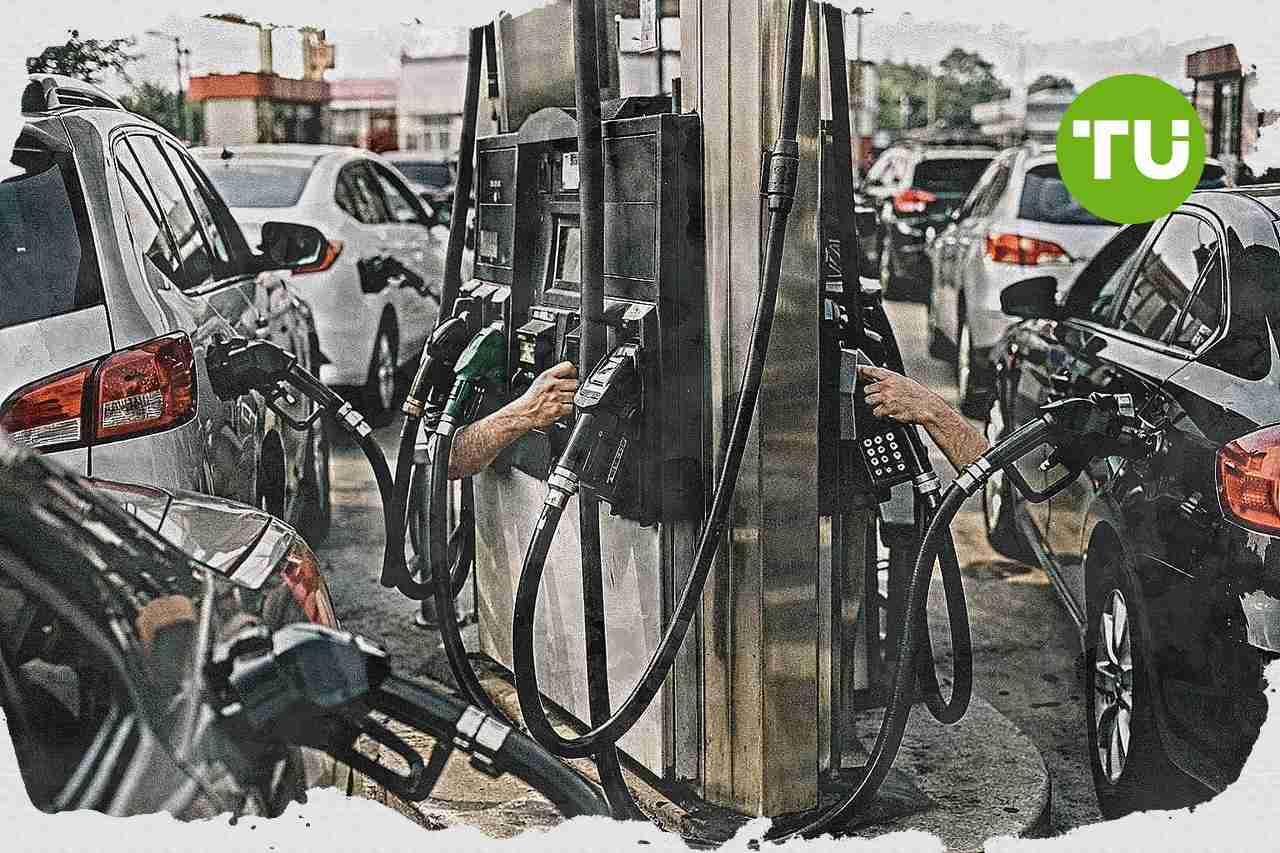
Three months into the U.S.-Iran war, rising fuel and transport prices are adding to financial pressure on American consumers. Moody’s Analytics estimates the average household has spent about $447 more on energy-related costs, a burden that economists say is squeezing savings and pushing more families toward debt.
Highlights
- Moody’s Analytics estimates U.S. households have incurred nearly $60 billion in additional fuel-related expenses since the Iran war began, averaging $447.19 extra per household.
- The average U.S. gasoline price is up over 47% to $4.39 per gallon, diesel sits at $5.52, and rising jet fuel costs have added $10 billion in consumer expenses.
- Despite a 0.5% monthly spending rise, flat income and a drop in the savings rate to 2.6% pushed U.S. credit card debt to $1.25 trillion in Q1, near record highs.
Moody’s estimates rising household energy burden
As first reported by CNBC, a Moody’s Analytics analysis shows U.S. households have paid nearly $450 more in fuel-related expenses since the conflict began, amounting to almost $60 billion in additional consumer spending. The data links much of the increase to higher gasoline, diesel and jet fuel costs as the war enters its third month.Moody’s says the average household has absorbed $447.19 in extra energy costs so far. Mark Zandi, chief economist at Moody’s, says the hit could approach $2,000 per household if prices remain at current levels through the war’s first year, and warns that financially strained consumers are likely to become more cautious in their spending.
About half of the increased spending comes from higher gasoline prices. AAA data shows the average price for a gallon of regular gasoline in the U.S. stands at about $4.39, up more than 47% since the start of March, while diesel prices have risen by a similar pace to around $5.52 a gallon, adding more than $20 billion in consumer costs.
Consumers are also paying more for air travel as jet fuel costs rise. Moody’s estimates that higher jet fuel prices have added nearly $10 billion in expenses, while federal inflation data shows airline fares in April are more than 20% higher than a year earlier.
Pressure builds on spending, savings and debt
The added energy burden more than offsets the estimated $384 per household boost from larger tax refunds this year under President Donald Trump’s “big, beautiful bill,” according to Moody’s. Zandi says most of the benefit from those larger tax cuts is already exhausted, leaving households more exposed to higher daily expenses.Other economic data points suggest consumers are maintaining spending by drawing on weaker financial buffers. Government figures released Thursday show consumer spending rises 0.5% from March to April, but income growth is flat for the month, missing economists’ expectations for a 0.4% increase.
The personal savings rate falls to 2.6% in April, one of the lowest levels since the global financial crisis. At the same time, New York Federal Reserve data shows U.S. credit card debt reaches $1.25 trillion in the first quarter, up nearly 6% from a year earlier and close to the record set at the end of 2025.
Goldman Sachs says higher energy prices are expected to erode consumer spending power through the rest of 2026, with lower-income households facing the greatest strain because food and energy make up a larger share of their budgets. Gregory Daco, chief economist at EY-Parthenon, says households are increasingly relying on savings, credit and wealth to sustain spending as income growth remains weak.
In our earlier article, Fed Governor Michelle Bowman argued the Federal Reserve should avoid raising interest rates in response to a temporary, energy-driven inflation spike tied to higher fuel costs. She said policymakers should distinguish between broad-based inflation and a short-lived supply shock, while noting the stance could change if elevated energy prices persist and begin feeding into wider price pressures.



Latest Natural Gas News







-
 Afghanistan
-
 Albania
-
 Algeria
-
 Angola
-
 Argentina
-
 Armenia
-
 Australia
-
 Austria
-
 Azerbaijan
-
 Bahamas
-
 Bahrain
-
 Bangladesh
-
 Belarus
-
 Belgium
-
 Bolivia
-
 Botswana
-
 Brazil
-
 Brunei
-
 Bulgaria
-
 Cambodia
-
 Cameroon
-
 Canada
-
 Chile
Chile
-
 China
China
-
 Colombia
-
 Congo
Congo
-
 Costa Rica
-
 Cote d'Ivoire
-
 Croatia
-
 Cuba
Cuba
-
 Cyprus
-
 Czechia
-
 DR Congo
-
 Denmark
-
 Dominican Republic
-
 Ecuador
-
 Egypt
Egypt
-
 El Salvador
-
 Estonia
-
 Eswatini
-
 Ethiopia
-
 Finland
-
 France
-
 Georgia
-
 Germany
-
 Ghana
Ghana
-
 Greece
-
 Haiti
Haiti
-
 Hong Kong
-
 Hungary
-
 India
India
-
 Indonesia
-
 Iran, Islamic republic
-
 Iraq
Iraq
-
 Ireland
-
 Israel
-
 Italy
Italy
-
 Jamaica
-
 Japan
Japan
-
 Jordan
-
 Kazakhstan
-
 Kenya
Kenya
-
 Korea
Korea
-
 Kuwait
-
 Kyrgyzstan
-
 Laos
Laos
-
 Latvia
-
 Lebanon
-
 Lesotho
-
 Libya
Libya
-
 Lithuania
-
 Luxembourg
-
 Madagascar
-
 Malaysia
-
 Malta
Malta
-
 Mauritius
-
 Mexico
-
 Moldova
-
 Mongolia
-
 Montenegro
-
 Morocco
-
 Mozambique
-
 Myanmar
-
 Namibia
-
 Nepal
Nepal
-
 Netherlands
-
 New Zealand
-
 Nigeria
-
 North Macedonia
-
 Norway
-
 Oman
Oman
-
 Pakistan
-
 Palestine
-
 Panama
-
 Papua New Guinea
-
 Paraguay
-
 Peru
Peru
-
 Philippines
-
 Poland
-
 Portugal
-
 Puerto Rico
-
 Qatar
Qatar
-
 Reunion
-
 Romania
-
 Rwanda
-
 Saudi Arabia
-
 Serbia
-
 Singapore
-
 Slovakia
-
 Slovenia
-
 Somalia
-
 South Africa
-
 Spain
Spain
-
 Sri Lanka
-
 Sweden
-
 Switzerland
-
 Syria
Syria
-
 Taiwan
-
 Tajikistan
-
 Tanzania
-
 Thailand
-
 Trinidad and Tobago
-
 Tunisia
-
 Turkey
-
 UAE
UAE
-
 Uganda
-
 Ukraine
-
 United Kingdom
-
United States
-
 Uruguay
-
 Uzbekistan
-
 Venezuela
-
 Vietnam
-
 Yemen
Yemen
-
 Zambia
-
 Zimbabwe
- Forex
- Crypto











