
Morocco draws Chinese auto supply investment as EU weighs trade risks
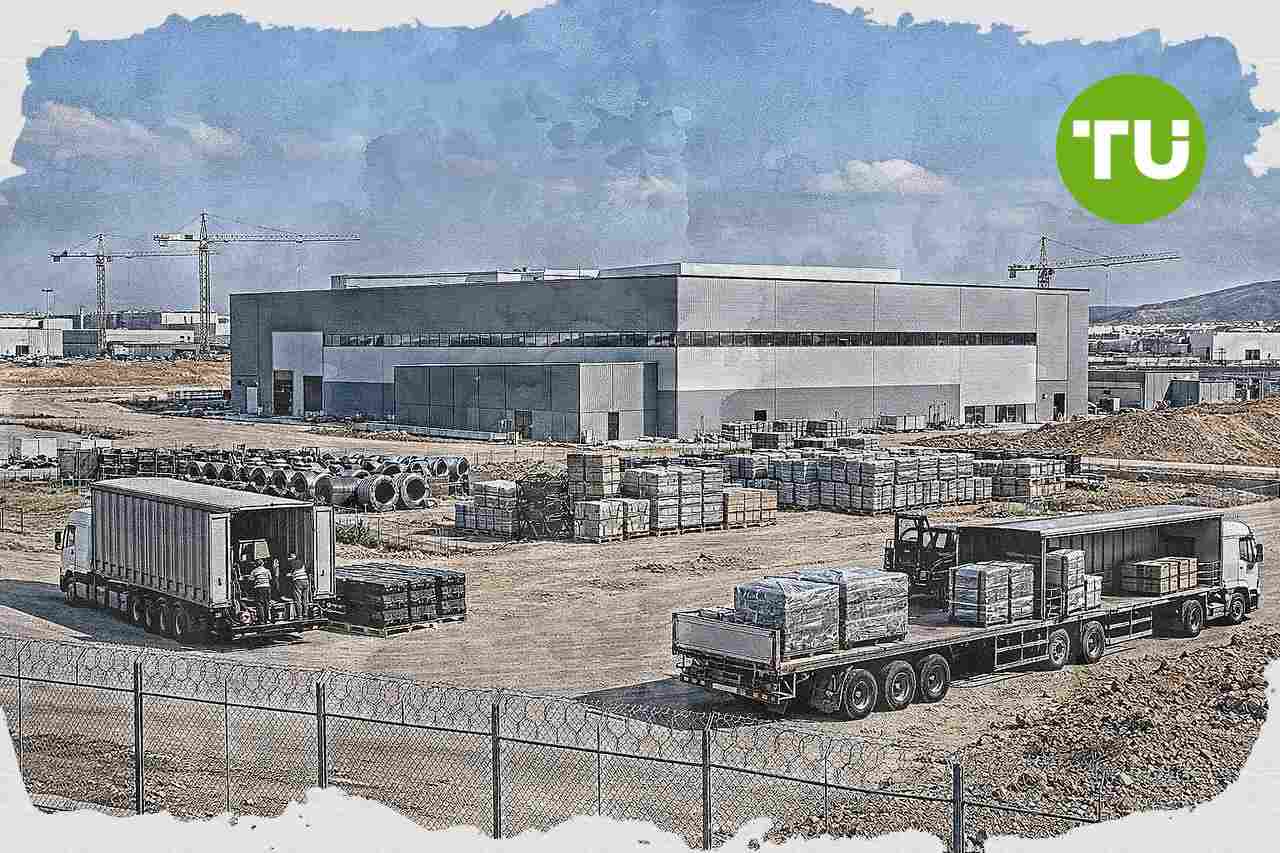
Chinese manufacturers are expanding rapidly in Morocco as the country strengthens its role in Europe’s automotive supply chain. The investment wave is raising concern in Brussels that goods backed by Chinese subsidies could enter the EU market through North Africa and intensify pressure on European industry.
Highlights
- Chinese investment in Morocco’s auto sector has reached about $6 billion since the pandemic, with major projects like Gotion High-tech’s $1.3 billion battery gigafactory and APG’s $70 million parts facility.
- EU officials are scrutinizing Morocco as a potential platform for Chinese tariff circumvention amid up to 45% tariffs on Chinese electric vehicles and findings of unfair aluminium wheel subsidization.
- Morocco exported over €26 billion to the EU in 2025, with its auto hub's strategic role potentially impacted by the European Commission’s proposed Industrial Accelerator Act restricting non-European content.
Chinese investment builds Morocco auto hub
As reported by Financial Times, Chinese groups are building a growing industrial base around Tangier and other Moroccan sites, centred on auto parts, battery materials and electric vehicle supply chains linked to Europe. The Mohammed VI Tanger Tech City near Tangier is hosting nearly a dozen Chinese businesses, including brakes maker APG, while Sentury Tire is already operating there and BTR New Material Group is constructing a plant.APG says it will open a $70 million facility in the Tanger Tech zone this year, combining local labour and materials with Chinese supplies and technology. In Kenitra, Chinese battery maker Gotion High-tech is also building a $1.3 billion gigafactory, adding to a broader pipeline that Rhodium Group says totals about $6 billion in announced Chinese investment in Morocco since the pandemic.
Morocco is marketing itself to overseas manufacturers with a five-year business tax holiday, a young workforce and trade access to 2.5 billion consumers through about 50 free trade agreements, including with the EU and U.S. Moroccan officials reject claims that the country is becoming a backdoor for China’s excess output and say rules of origin require products to be sufficiently transformed locally before entering the EU tariff-free.
Brussels examines impact on European industry
EU officials are increasingly concerned that Morocco could serve as a transshipment platform for Chinese industrial overcapacity, especially as the bloc hardens its trade stance toward Beijing. EU trade commissioner Maroš Šefčovič says the issue is becoming significant for the European economy, while the European Commission has already found that aluminium wheels shipped from Morocco were unfairly subsidised by Rabat and Beijing through the Belt and Road Initiative.The concern is heightened by existing EU tariffs of up to 45% on Chinese electric vehicles and by the difficulty of distinguishing legitimate industrial collaboration from tariff circumvention. Analysts say China is in a position to build out an integrated supply chain in Morocco, from phosphate processing for batteries to factories and transport links to ports, increasing the strategic importance of the country for both Beijing and Brussels.
Morocco remains highly exposed to the EU market, its largest trading partner, with more than €26 billion of exports going to the bloc in 2025, about one-third of its total exports. A further test is whether Morocco is classified as European under the European Commission’s proposed Industrial Accelerator Act, which would limit some public procurement to vehicles and other products made with European content.
Our earlier article on U.S. legislation targeting automakers with Chinese state-linked ownership explained how a proposed House bill could restrict importing, selling, or even producing vehicles in the United States. We noted that the rules could have spillover effects for brands with significant U.S. manufacturing footprints—such as Mercedes-Benz due to BAIC’s stake—highlighting how ownership and technology links are becoming a key factor in market access for the auto sector.




Latest Hyundai News





-
 Afghanistan
-
 Albania
-
 Algeria
-
 Angola
-
 Argentina
-
 Armenia
-
 Australia
-
 Austria
-
 Azerbaijan
-
 Bahamas
-
 Bahrain
-
 Bangladesh
-
 Belarus
-
 Belgium
-
 Bolivia
-
 Botswana
-
 Brazil
-
 Brunei
-
 Bulgaria
-
 Cambodia
-
 Cameroon
-
 Canada
-
 Chile
Chile
-
 China
China
-
 Colombia
-
 Congo
Congo
-
 Costa Rica
-
 Cote d'Ivoire
-
 Croatia
-
 Cuba
Cuba
-
 Cyprus
-
 Czechia
-
 DR Congo
-
 Denmark
-
 Dominican Republic
-
 Ecuador
-
 Egypt
Egypt
-
 El Salvador
-
 Estonia
-
 Eswatini
-
 Ethiopia
-
 Finland
-
 France
-
 Georgia
-
 Germany
-
 Ghana
Ghana
-
 Greece
-
 Haiti
Haiti
-
 Hong Kong
-
 Hungary
-
 India
India
-
 Indonesia
-
 Iran, Islamic republic
-
 Iraq
Iraq
-
 Ireland
-
 Israel
-
 Italy
Italy
-
 Jamaica
-
 Japan
Japan
-
 Jordan
-
 Kazakhstan
-
 Kenya
Kenya
-
 Korea
Korea
-
 Kuwait
-
 Kyrgyzstan
-
 Laos
Laos
-
 Latvia
-
 Lebanon
-
 Lesotho
-
 Libya
Libya
-
 Lithuania
-
 Luxembourg
-
 Madagascar
-
 Malaysia
-
 Malta
Malta
-
 Mauritius
-
 Mexico
-
 Moldova
-
 Mongolia
-
 Montenegro
-
 Morocco
-
 Mozambique
-
 Myanmar
-
 Namibia
-
 Nepal
Nepal
-
 Netherlands
-
 New Zealand
-
 Nigeria
-
 North Macedonia
-
 Norway
-
 Oman
Oman
-
 Pakistan
-
 Palestine
-
 Panama
-
 Papua New Guinea
-
 Paraguay
-
 Peru
Peru
-
 Philippines
-
 Poland
-
 Portugal
-
 Puerto Rico
-
 Qatar
Qatar
-
 Reunion
-
 Romania
-
 Rwanda
-
 Saudi Arabia
-
 Serbia
-
 Singapore
-
 Slovakia
-
 Slovenia
-
 Somalia
-
 South Africa
-
 Spain
Spain
-
 Sri Lanka
-
 Sweden
-
 Switzerland
-
 Syria
Syria
-
 Taiwan
-
 Tajikistan
-
 Tanzania
-
 Thailand
-
 Trinidad and Tobago
-
 Tunisia
-
 Turkey
-
 UAE
UAE
-
 Uganda
-
 Ukraine
-
 United Kingdom
-
United States
-
 Uruguay
-
 Uzbekistan
-
 Venezuela
-
 Vietnam
-
 Yemen
Yemen
-
 Zambia
-
 Zimbabwe
- Forex
- Crypto












