

Andrew Left conviction raises market manipulation risks for activist investors
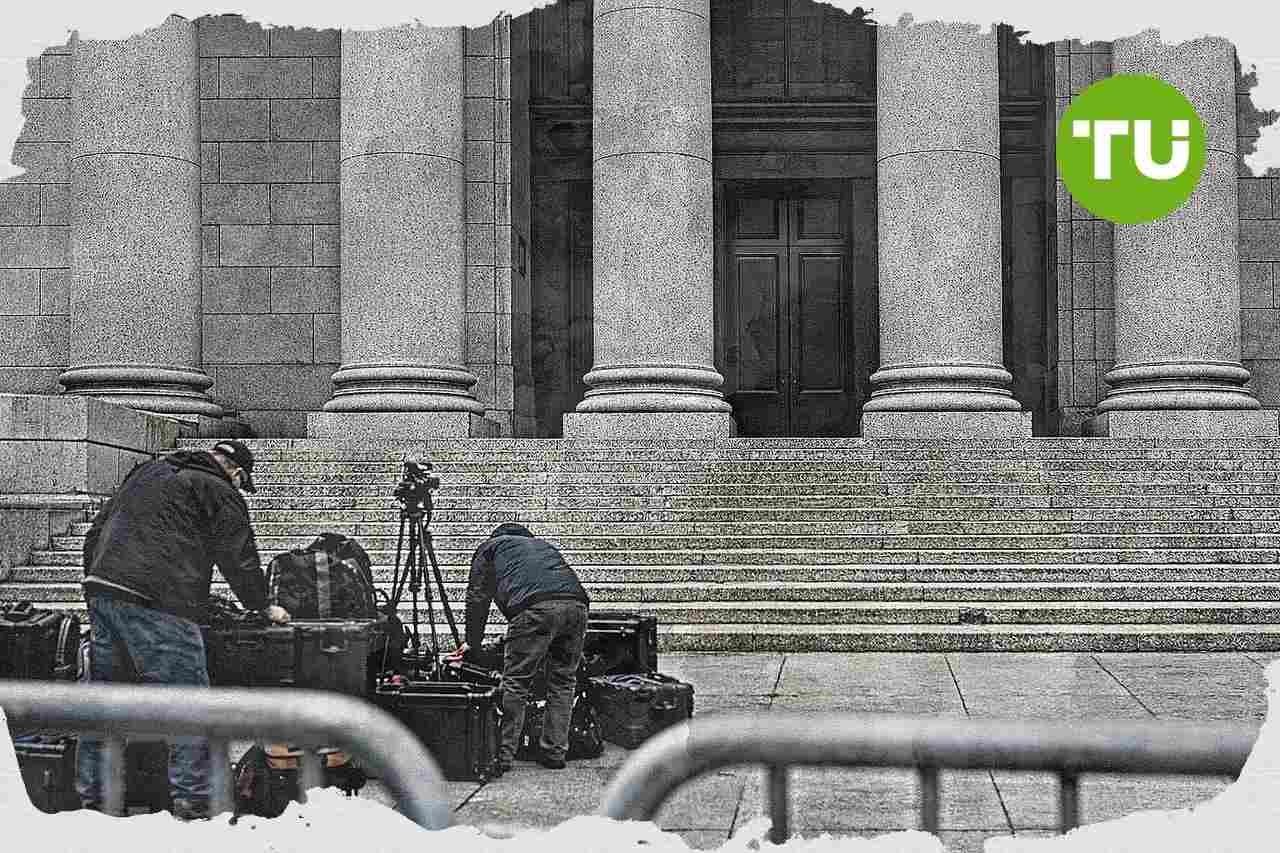
A U.S. jury's conviction of short-seller Andrew Left is prompting investors and legal analysts to reassess how social media posts can affect trading liability. The case centers on whether influential market commentary tied to subsequent trades can cross into securities fraud, with sentencing scheduled for August.
Highlights
- Andrew Left was convicted on 13 counts of securities fraud for trading in ways that conflicted with his public predictions to followers.
- Fazen Markets reports the verdict sets a precedent that social media commentary by influential investors may constitute criminal market manipulation, likely increasing scrutiny on prominent short sellers.
- Investors and commentators signal the case could reshape online stock discussion practices, with increased legal risk for influencers promoting and profiting from market-moving commentary.
Trial outcome sharpens scrutiny of social media trading
As first reported by Business Insider, Left was found guilty on Monday on 13 counts of securities fraud after prosecutors argued that the Citron Research founder traded in ways that did not match the public predictions he shared with hundreds of thousands of followers.The conviction follows a three-week federal trial and is seen by market participants as a potentially important precedent for activist investors who publish views online while taking positions in the same stocks. Fazen Markets said in a report that the verdict establishes a precedent that social media commentary from influential investors may constitute criminal market manipulation, and added that regulatory scrutiny is likely to increase for prominent short sellers.
Activist short-sellers have long argued that they help expose fraud and mismanagement by betting against overvalued companies. Prosecutors in Left's case said he crossed that line on both long and short positions by promoting market-moving views that diverged from his actual trading behavior.
Broader impact on investors and online market commentary
Reaction across investor circles is mixed, with some commentators welcoming the verdict and others arguing that similar conduct has long existed across the bullish side of the market. Several posts on X suggest the case may reshape how traders, influencers and analysts discuss small-cap stocks and disclose their intentions online.Former hedge fund manager Marc Cohodes said the verdict could mark the end of what he called "smash and grab" trades, while fintech lawyer Ariel Givner said the case sends a clear warning that online posts carry legal consequences. Trader Clint Awana said influencers who promote stocks and profit from the resulting move now face a clearer jail risk, especially when they publicly boast about their market impact.
Left continues to deny wrongdoing. In comments during his testimony, outside the courthouse and on X, he says he never lied to followers and vows to continue fighting the verdict on free speech grounds. He is due to be sentenced in August, and some market commentators already speculate that his notoriety will outlast the case itself.
Our earlier analysis of Robinhood (HOOD) highlighted how a single influencer post can lift engagement while price action still reflects volatility, resistance levels, and profit-taking. We also noted that HOOD was facing heightened regulatory uncertainty and legal overhangs, reinforcing how quickly online narratives and compliance risks can intersect and move markets.






Latest SEC News



-
 Afghanistan
-
 Albania
-
 Algeria
-
 Angola
-
 Argentina
-
 Armenia
-
 Australia
-
 Austria
-
 Azerbaijan
-
 Bahamas
-
 Bahrain
-
 Bangladesh
-
 Belarus
-
 Belgium
-
 Bolivia
-
 Botswana
-
 Brazil
-
 Brunei
-
 Bulgaria
-
 Cambodia
-
 Cameroon
-
 Canada
-
 Chile
-
 China
-
 Colombia
-
 Congo
-
 Costa Rica
-
 Cote d'Ivoire
-
 Croatia
-
 Cuba
-
 Cyprus
-
 Czechia
-
 DR Congo
-
 Denmark
-
 Dominican Republic
-
 Ecuador
-
 Egypt
-
 El Salvador
-
 Estonia
-
 Eswatini
-
 Ethiopia
-
 Finland
-
 France
-
 Georgia
-
 Germany
-
 Ghana
-
 Greece
-
 Haiti
-
 Hong Kong
-
 Hungary
-
 India
-
 Indonesia
-
 Iran, Islamic republic
-
 Iraq
-
 Ireland
-
 Israel
-
 Italy
-
 Jamaica
-
 Japan
-
 Jordan
-
 Kazakhstan
-
 Kenya
-
 Korea
-
 Kuwait
-
 Kyrgyzstan
-
 Laos
-
 Latvia
-
 Lebanon
-
 Lesotho
-
 Libya
-
 Lithuania
-
 Luxembourg
-
 Madagascar
-
 Malaysia
-
 Malta
-
 Mauritius
-
 Mexico
-
 Moldova
-
 Mongolia
-
 Montenegro
-
 Morocco
-
 Mozambique
-
 Myanmar
-
 Namibia
-
 Nepal
-
 Netherlands
-
 New Zealand
-
 Nigeria
-
 North Macedonia
-
 Norway
-
 Oman
-
 Pakistan
-
 Palestine
-
 Panama
-
 Papua New Guinea
-
 Paraguay
-
 Peru
-
 Philippines
-
 Poland
-
 Portugal
-
 Puerto Rico
-
 Qatar
-
 Reunion
-
 Romania
-
 Rwanda
-
 Saudi Arabia
-
 Serbia
-
 Singapore
-
 Slovakia
-
 Slovenia
-
 Somalia
-
 South Africa
-
 Spain
-
 Sri Lanka
-
 Sweden
-
 Switzerland
-
 Syria
-
 Taiwan
-
 Tajikistan
-
 Tanzania
-
 Thailand
-
 Trinidad and Tobago
-
 Tunisia
-
 Turkey
-
 UAE
-
 Uganda
-
 Ukraine
-
 United Kingdom
-
United States
-
 Uruguay
-
 Uzbekistan
-
 Venezuela
-
 Vietnam
-
 Yemen
-
 Zambia
-
 Zimbabwe
- Forex
- Crypto












