
UK proposes 87% emissions cut by 2040 as climate policy battle intensifies
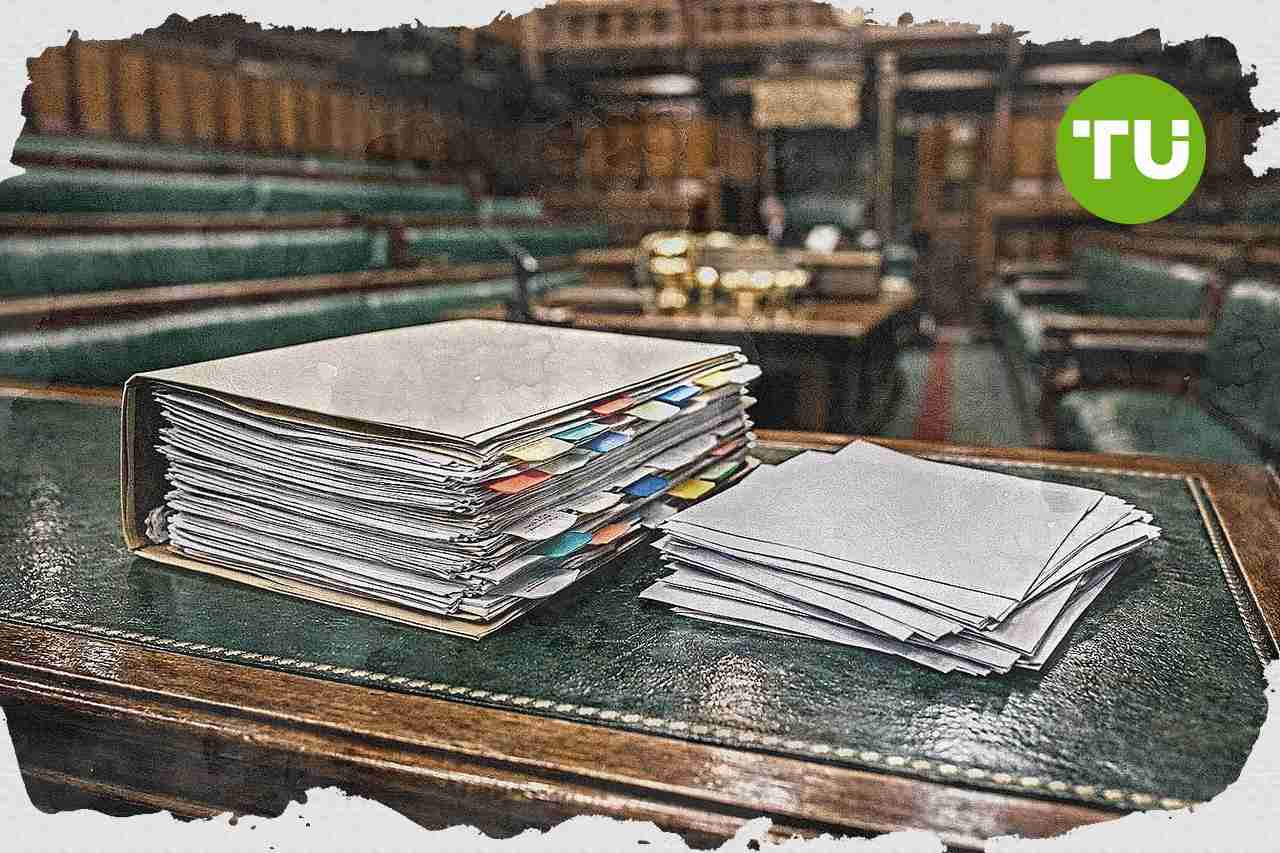
Britain’s climate policy is becoming a sharper political and business dividing line as the government pushes a tougher long-term emissions target. The proposed legally binding goal would require greenhouse gas emissions to fall 87 per cent from 1990 levels by 2040, with parliament due to decide by the end of June.
Highlights
- UK government proposes a legally binding 87% emissions cut by 2040, with lawmakers required to approve or reject the seventh carbon budget by end of June.
- Opposition from Conservatives and Reform UK focuses on the costs and impact on electricity prices, despite cross-party consensus weakening since 2021.
- Approximately £90bn of private investment in UK clean energy has been announced since July 2024, as UK emissions fell to 54% below 1990 levels last year.
Carbon budget plan and parliamentary test
As reported by Financial Times, energy secretary Ed Miliband sets out proposals in parliament on Tuesday for the UK’s seventh carbon budget, covering 2038 to 2042 and extending the government’s broader clean energy agenda.Miliband says the shift to a greener economy is a “great British success story” that is boosting private investment and economic growth, and argues the new target will help protect household and business finances. He also says the government must go “further and faster” on clean power, framing the plan as part of a long-term effort to shield future generations from climate risks.
The 87 per cent target would be legally binding if approved, and lawmakers must accept or reject it by the end of June. Carbon budgets were introduced under the Climate Change Act when Miliband was climate and energy secretary in 2008, and the latest proposal arrives as cross-party agreement on net zero has weakened since the previous carbon budget won support in 2021.
Political resistance and economic implications
The proposal is already drawing opposition from the Conservatives and Reform UK, both of which are attacking net zero policies and the costs linked to lower-carbon investment. Shadow energy secretary Claire Coutinho says the government should focus on cutting electricity prices rather than pursuing green targets, while Reform UK has pledged to scrap net zero and end subsidies for wind farms and solar panels.The latest push comes after England and Wales record their hottest spring on record this year, according to the Met Office, while 2025 ranks as the hottest year on record for the UK. Last year, the Climate Change Committee says an 87 per cent cut would require significant emissions reductions across transport, buildings, industry and agriculture.
Business groups and climate policy advocates point to potential economic gains from the transition. Ben Martin, policy manager at the British Chambers of Commerce, says the shift creates significant economic opportunities, while the government says about £90bn of private investment in UK clean energy has been announced since it took office in July 2024. UK emissions fall to 54 per cent below 1990 levels last year, although the country remains legally committed to reach net zero by 2050.
Our earlier coverage of UK inflation measurement and the budget outlook examined how housing costs can be misread in official data, potentially making price pressures look more persistent than they are. We also noted that stickier inflation after the 2022 energy shock has pushed the Office for Budget Responsibility to revisit its projections, with tighter budget headroom influencing government policy choices.





Latest UK News










-
 Afghanistan
-
 Albania
-
 Algeria
-
 Angola
-
 Argentina
-
 Armenia
-
 Australia
-
 Austria
-
 Azerbaijan
-
 Bahamas
-
 Bahrain
-
 Bangladesh
-
 Belarus
-
 Belgium
-
 Bolivia
-
 Botswana
-
 Brazil
-
 Brunei
-
 Bulgaria
-
 Cambodia
-
 Cameroon
-
 Canada
-
 Chile
Chile
-
 China
China
-
 Colombia
-
 Congo
Congo
-
 Costa Rica
-
 Cote d'Ivoire
-
 Croatia
-
 Cuba
Cuba
-
 Cyprus
-
 Czechia
-
 DR Congo
-
 Denmark
-
 Dominican Republic
-
 Ecuador
-
 Egypt
Egypt
-
 El Salvador
-
 Estonia
-
 Eswatini
-
 Ethiopia
-
 Finland
-
 France
-
 Georgia
-
 Germany
-
 Ghana
Ghana
-
 Greece
-
 Haiti
Haiti
-
 Hong Kong
-
 Hungary
-
 India
India
-
 Indonesia
-
 Iran, Islamic republic
-
 Iraq
Iraq
-
 Ireland
-
 Israel
-
 Italy
Italy
-
 Jamaica
-
 Japan
Japan
-
 Jordan
-
 Kazakhstan
-
 Kenya
Kenya
-
 Korea
Korea
-
 Kuwait
-
 Kyrgyzstan
-
 Laos
Laos
-
 Latvia
-
 Lebanon
-
 Lesotho
-
 Libya
Libya
-
 Lithuania
-
 Luxembourg
-
 Madagascar
-
 Malaysia
-
 Malta
Malta
-
 Mauritius
-
 Mexico
-
 Moldova
-
 Mongolia
-
 Montenegro
-
 Morocco
-
 Mozambique
-
 Myanmar
-
 Namibia
-
 Nepal
Nepal
-
 Netherlands
-
 New Zealand
-
 Nigeria
-
 North Macedonia
-
 Norway
-
 Oman
Oman
-
 Pakistan
-
 Palestine
-
 Panama
-
 Papua New Guinea
-
 Paraguay
-
 Peru
Peru
-
 Philippines
-
 Poland
-
 Portugal
-
 Puerto Rico
-
 Qatar
Qatar
-
 Reunion
-
 Romania
-
 Rwanda
-
 Saudi Arabia
-
 Serbia
-
 Singapore
-
 Slovakia
-
 Slovenia
-
 Somalia
-
 South Africa
-
 Spain
Spain
-
 Sri Lanka
-
 Sweden
-
 Switzerland
-
 Syria
Syria
-
 Taiwan
-
 Tajikistan
-
 Tanzania
-
 Thailand
-
 Trinidad and Tobago
-
 Tunisia
-
 Turkey
-
 UAE
UAE
-
 Uganda
-
 Ukraine
-
 United Kingdom
-
United States
-
 Uruguay
-
 Uzbekistan
-
 Venezuela
-
 Vietnam
-
 Yemen
Yemen
-
 Zambia
-
 Zimbabwe
- Forex
- Crypto











