
U.S. State Department defends FY27 budget with focus on aid effectiveness
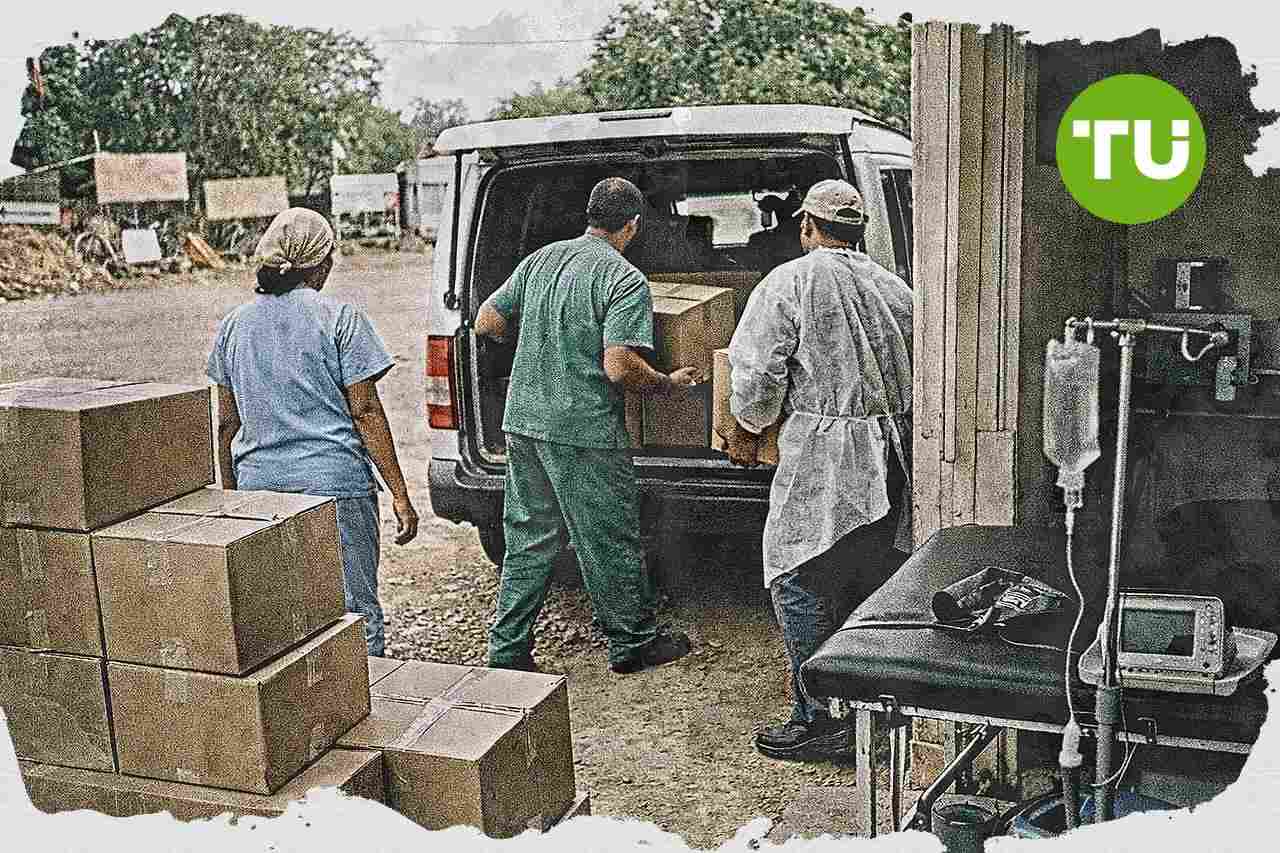
At a June 2 budget hearing in Washington, Secretary of State Marco Rubio says U.S. foreign policy must stay tied to national interests while foreign assistance is judged by outcomes rather than spending levels. He also says the department is speeding up emergency responses and using health and humanitarian programs to help partner countries build long-term domestic capacity.
Highlights
- State Department's FY27 budget emphasizes prioritizing limited resources and demands measurable results to drive changes in foreign aid procurement and delivery.
- Rubio cites over 32 Global Health Strategy compacts aimed at strengthening partner countries' domestic health systems and reducing dependence on non-governmental structures.
- More than $200 million has been rapidly allocated for Ebola response, with humanitarian aid delivery becoming faster and more flexible based on recent operations in Jamaica and Kenya.
Budget hearing centers on aid delivery changes
As reported by the U.S. Department of State, Rubio tells the House Appropriations Subcommittee on State, Foreign Operations, and Related Programs that the FY27 budget request is built around prioritizing limited resources and aligning diplomacy with the national interest of the United States.He says the United States remains the world's largest aid provider, but the administration wants assistance to be assessed by measurable results. Rubio says this approach is shaping procurement and delivery decisions across foreign assistance programs.
Rubio highlights more than 32 health compacts under the Global Health Strategy, saying partner countries support the model because it directs resources toward domestic systems rather than long-term dependence on outside non-governmental structures. He says the aim is to help countries eventually sustain their own health capacity and gain greater control over how aid is used.
Global health and disaster response remain priorities
Rubio says humanitarian assistance is becoming faster and more flexible, pointing to Jamaica's hurricane response as an example of quicker U.S. action. He also says the department is responding to typhoons and has rapidly programmed more than $200 million for Ebola-related efforts.He says diplomatic work has also helped establish an observation facility in Kenya for Americans exposed to Ebola, while support is continuing through UN partners and other international organizations. Rubio adds that the department is working closely with the Global Fund and notes a statement from the UN and OCHA on cooperation over funding and operational support.
For the wider foreign aid sector, the remarks signal that the State Department is presenting the FY27 request as a case for more targeted and operationally nimble assistance, with an emphasis on speed, accountability, and building economic and institutional independence in recipient countries.
In our earlier report on the State Department’s FY27 budget request, we outlined how Secretary of State Marco Rubio framed the proposal as part of a wider overhaul linking diplomacy and foreign aid more tightly to U.S. military, economic, and sovereign interests. The article noted that the administration expects the request to change during appropriations, while emphasizing stronger oversight and measurable results for assistance programs. It also highlighted a strategic tilt toward the Western Hemisphere, with deeper engagement aimed at strengthening economic and security ties and countering China’s regional influence.



Latest Excellence Trade News










-
 Afghanistan
-
 Albania
-
 Algeria
-
 Angola
-
 Argentina
-
 Armenia
-
 Australia
-
 Austria
-
 Azerbaijan
-
 Bahamas
-
 Bahrain
-
 Bangladesh
-
 Belarus
-
 Belgium
-
 Bolivia
-
 Botswana
-
 Brazil
-
 Brunei
-
 Bulgaria
-
 Cambodia
-
 Cameroon
-
 Canada
-
 Chile
Chile
-
 China
China
-
 Colombia
-
 Congo
Congo
-
 Costa Rica
-
 Cote d'Ivoire
-
 Croatia
-
 Cuba
Cuba
-
 Cyprus
-
 Czechia
-
 DR Congo
-
 Denmark
-
 Dominican Republic
-
 Ecuador
-
 Egypt
Egypt
-
 El Salvador
-
 Estonia
-
 Eswatini
-
 Ethiopia
-
 Finland
-
 France
-
 Georgia
-
 Germany
-
 Ghana
Ghana
-
 Greece
-
 Haiti
Haiti
-
 Hong Kong
-
 Hungary
-
 India
India
-
 Indonesia
-
 Iran, Islamic republic
-
 Iraq
Iraq
-
 Ireland
-
 Israel
-
 Italy
Italy
-
 Jamaica
-
 Japan
Japan
-
 Jordan
-
 Kazakhstan
-
 Kenya
Kenya
-
 Korea
Korea
-
 Kuwait
-
 Kyrgyzstan
-
 Laos
Laos
-
 Latvia
-
 Lebanon
-
 Lesotho
-
 Libya
Libya
-
 Lithuania
-
 Luxembourg
-
 Madagascar
-
 Malaysia
-
 Malta
Malta
-
 Mauritius
-
 Mexico
-
 Moldova
-
 Mongolia
-
 Montenegro
-
 Morocco
-
 Mozambique
-
 Myanmar
-
 Namibia
-
 Nepal
Nepal
-
 Netherlands
-
 New Zealand
-
 Nigeria
-
 North Macedonia
-
 Norway
-
 Oman
Oman
-
 Pakistan
-
 Palestine
-
 Panama
-
 Papua New Guinea
-
 Paraguay
-
 Peru
Peru
-
 Philippines
-
 Poland
-
 Portugal
-
 Puerto Rico
-
 Qatar
Qatar
-
 Reunion
-
 Romania
-
 Rwanda
-
 Saudi Arabia
-
 Serbia
-
 Singapore
-
 Slovakia
-
 Slovenia
-
 Somalia
-
 South Africa
-
 Spain
Spain
-
 Sri Lanka
-
 Sweden
-
 Switzerland
-
 Syria
Syria
-
 Taiwan
-
 Tajikistan
-
 Tanzania
-
 Thailand
-
 Trinidad and Tobago
-
 Tunisia
-
 Turkey
-
 UAE
UAE
-
 Uganda
-
 Ukraine
-
 United Kingdom
-
United States
-
 Uruguay
-
 Uzbekistan
-
 Venezuela
-
 Vietnam
-
 Yemen
Yemen
-
 Zambia
-
 Zimbabwe
- Forex
- Crypto











