

U.S. retailers face mounting consumer spending risks as Iran war lifts fuel costs
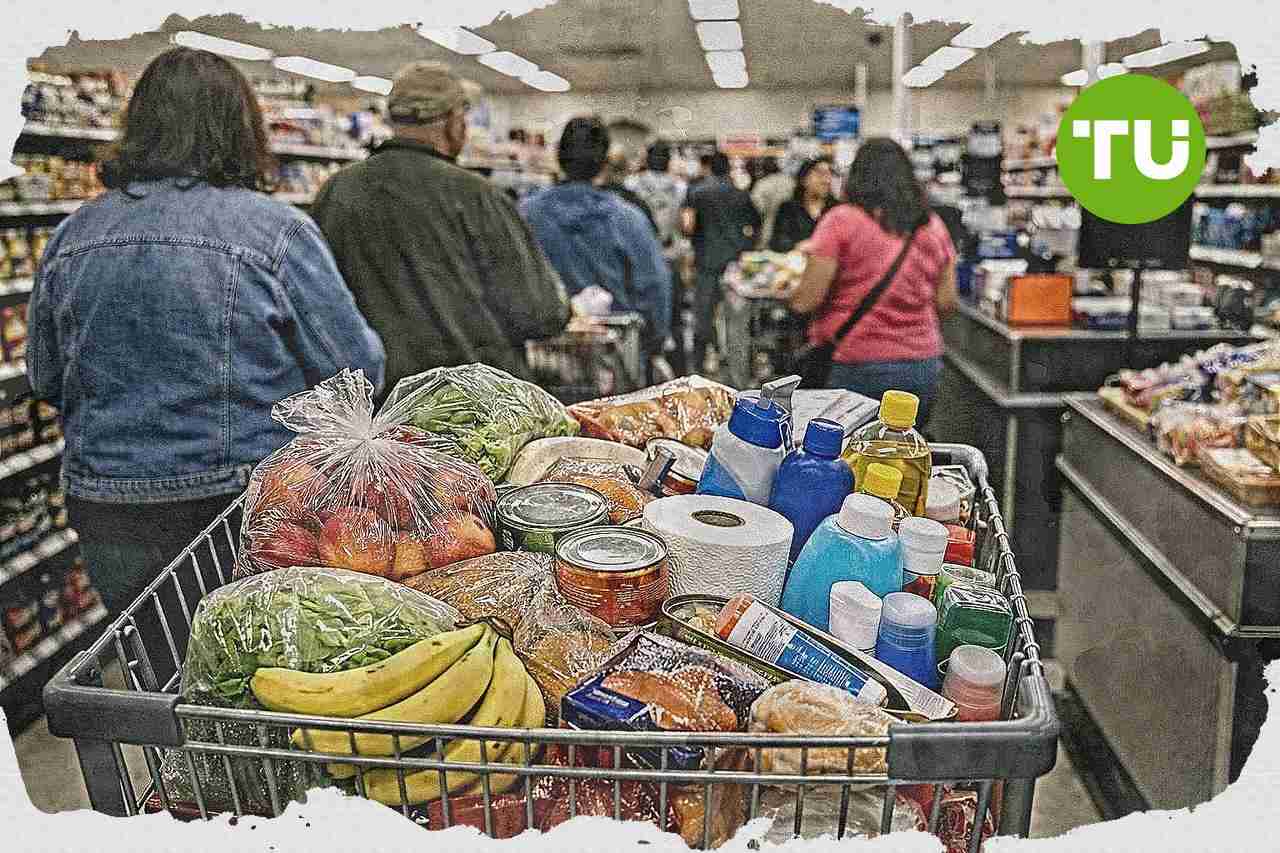
As the Iran war enters its fourth month, U.S. retailers are heading into the crucial second half of the year with signs that shoppers are becoming more selective. Rising gasoline prices and inflation concerns are starting to test lower-income households more sharply, even as overall consumer spending remains intact.
Highlights
- U.S. consumer confidence dipped in May as inflation and Middle East-driven fuel costs shifted spending from discretionary to essentials, impacting retailers like Dollar General and Walmart.
- Retailers face risk heading into their key revenue-generating second half as sustained gasoline prices above $4.00 per gallon could further suppress discretionary demand, especially for apparel and department stores.
- Earnings growth for the S&P 500 consumer discretionary sector is forecast to slow to 5.2% in Q2 2026 from 40.4% previously, highlighting a K-shaped pattern where higher-income spending holds while lower-income households cut back.
Spending patterns shift before key retail season
As reported by Reuters, recent results from retailers including Dollar Tree, Walmart and Gap show consumers are still buying, but they are focusing more on essential upgrades and value-oriented purchases while reducing discretionary spending.The pressure is becoming more visible as the current earnings season nears its end. Dollar General finance chief Donny Lau said on Tuesday that the chain's core lower-income customers are cutting back on expenses, including food, while dollar stores are also attracting households earning more than $100,000 a year that are trading down.
U.S. consumer confidence eased slightly in May as inflation worries linked to the Middle East conflict and higher fuel costs offset stronger labor market sentiment. Michael Gunther, senior vice president of research and market intelligence at Consumer Edge, said consumers are not pulling back significantly so far, but their behavior is clearly changing, with gas prices likely to be a key factor through the summer and back-to-school period.
Retailers typically generate about 50% to 60% of annual revenue in the second half, beginning with back-to-school shopping and continuing through Thanksgiving and Christmas. Apparel companies and department stores such as Kohl's and Macy's tend to rely even more heavily on that period, leaving them exposed if fuel prices stay elevated and discretionary demand weakens further.
Uneven demand highlights income divide
Telsey Advisory Group analysts said uncertainty is rising because the long-term economic effects of the Iran war remain unclear. Their note said expectations for consumer spending could moderate if the national average gasoline price stays above $4.00 per gallon for an extended period.Despite solid first-quarter results, earnings growth for the consumer discretionary sector in the S&P 500 is projected at about 5.2% in the second quarter of 2026, down from a 40.4% projection in the previous quarter, according to LSEG data. Brian Jacobsen, chief economic strategist at Annex Wealth Management, said spending growth remains positive but is cooling, while consumers continue to seek lower-cost indulgences as necessities become more expensive.
The split is especially visible in apparel. Gap and American Eagle have struggled with demand from budget-constrained consumers and merchandising mistakes in categories including women's wear, while Abercrombie & Fitch, Bath & Body Works and Victoria's Secret posted strong results supported by fresh styles, full-price sales and demand for affordable luxuries.
The pattern adds to evidence of a K-shaped recovery in U.S. consumer spending, with higher-income shoppers continuing to spend on apparel, accessories and premium beauty products while lower-income households pull back under inflation pressure. Membership clubs such as Costco and Walmart's Sam's Club are also attracting more customers to fuel stations and stores with lower gas prices and everyday essentials, as retailers monitor whether current pressures deepen later in the year.
In our earlier coverage of Goldman Sachs CEO David Solomon’s warning about high oil prices, we noted that a renewed rise in energy-driven inflation could push U.S. consumers to change their spending patterns in the second half of 2026. The article also highlighted that markets are watching upcoming economic data for signs of that shift, while expectations for steady interest rates persist amid elevated inflation pressures.





Latest Walmart News





-
 Afghanistan
-
 Albania
-
 Algeria
-
 Angola
-
 Argentina
-
 Armenia
-
 Australia
-
 Austria
-
 Azerbaijan
-
 Bahamas
-
 Bahrain
-
 Bangladesh
-
 Belarus
-
 Belgium
-
 Bolivia
-
 Botswana
-
 Brazil
-
 Brunei
-
 Bulgaria
-
 Cambodia
-
 Cameroon
-
 Canada
-
 Chile
Chile
-
 China
China
-
 Colombia
-
 Congo
Congo
-
 Costa Rica
-
 Cote d'Ivoire
-
 Croatia
-
 Cuba
Cuba
-
 Cyprus
-
 Czechia
-
 DR Congo
-
 Denmark
-
 Dominican Republic
-
 Ecuador
-
 Egypt
Egypt
-
 El Salvador
-
 Estonia
-
 Eswatini
-
 Ethiopia
-
 Finland
-
 France
-
 Georgia
-
 Germany
-
 Ghana
Ghana
-
 Greece
-
 Haiti
Haiti
-
 Hong Kong
-
 Hungary
-
 India
India
-
 Indonesia
-
 Iran, Islamic republic
-
 Iraq
Iraq
-
 Ireland
-
 Israel
-
 Italy
Italy
-
 Jamaica
-
 Japan
Japan
-
 Jordan
-
 Kazakhstan
-
 Kenya
Kenya
-
 Korea
Korea
-
 Kuwait
-
 Kyrgyzstan
-
 Laos
Laos
-
 Latvia
-
 Lebanon
-
 Lesotho
-
 Libya
Libya
-
 Lithuania
-
 Luxembourg
-
 Madagascar
-
 Malaysia
-
 Malta
Malta
-
 Mauritius
-
 Mexico
-
 Moldova
-
 Mongolia
-
 Montenegro
-
 Morocco
-
 Mozambique
-
 Myanmar
-
 Namibia
-
 Nepal
Nepal
-
 Netherlands
-
 New Zealand
-
 Nigeria
-
 North Macedonia
-
 Norway
-
 Oman
Oman
-
 Pakistan
-
 Palestine
-
 Panama
-
 Papua New Guinea
-
 Paraguay
-
 Peru
Peru
-
 Philippines
-
 Poland
-
 Portugal
-
 Puerto Rico
-
 Qatar
Qatar
-
 Reunion
-
 Romania
-
 Rwanda
-
 Saudi Arabia
-
 Serbia
-
 Singapore
-
 Slovakia
-
 Slovenia
-
 Somalia
-
 South Africa
-
 Spain
Spain
-
 Sri Lanka
-
 Sweden
-
 Switzerland
-
 Syria
Syria
-
 Taiwan
-
 Tajikistan
-
 Tanzania
-
 Thailand
-
 Trinidad and Tobago
-
 Tunisia
-
 Turkey
-
 UAE
UAE
-
 Uganda
-
 Ukraine
-
 United Kingdom
-
United States
-
 Uruguay
-
 Uzbekistan
-
 Venezuela
-
 Vietnam
-
 Yemen
Yemen
-
 Zambia
-
 Zimbabwe
- Forex
- Crypto












