
SBA opens disaster loan relief for Wyoming businesses hit by drought
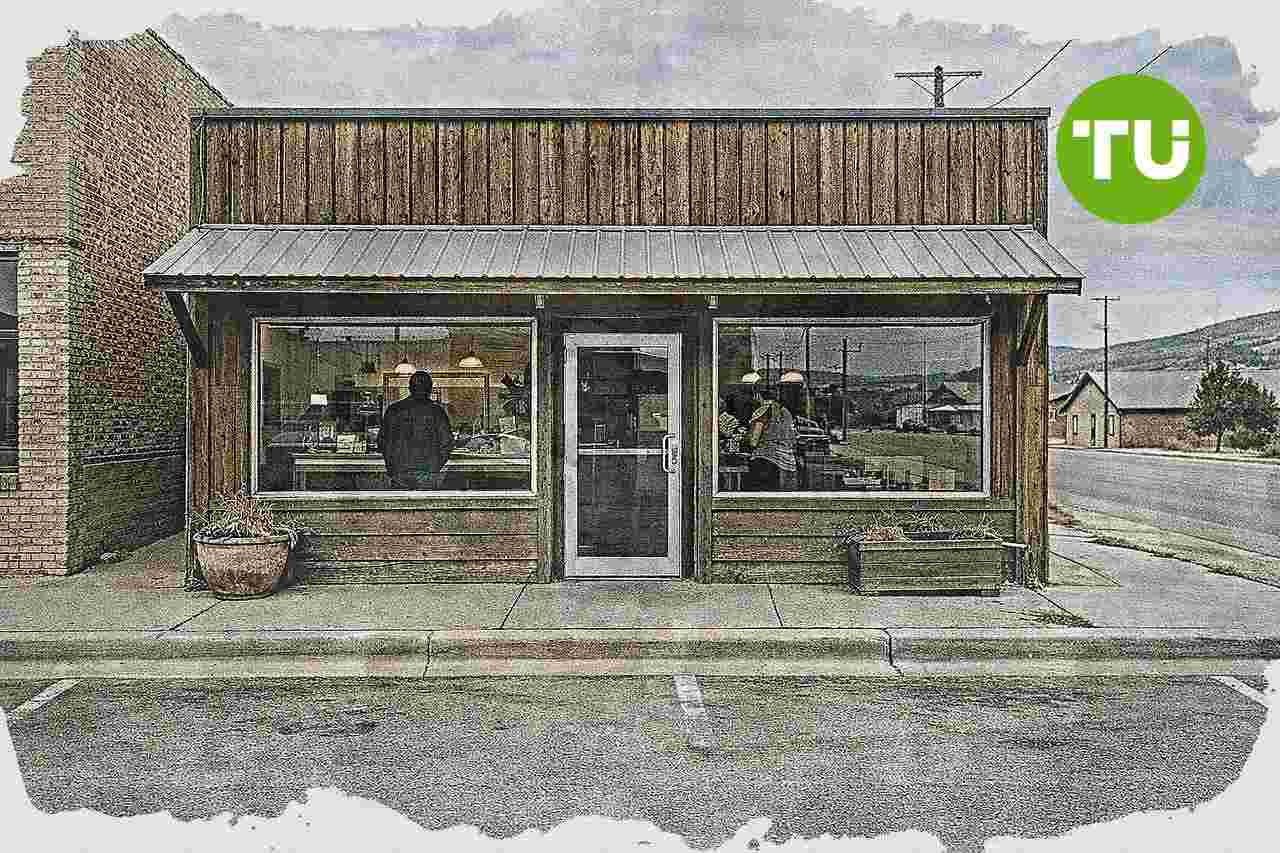
Federal disaster financing is becoming available for Wyoming small businesses and private nonprofit organizations facing economic losses from drought conditions that begin on May 1. The assistance also extends to eligible organizations in adjacent counties in Colorado, Montana, Nebraska and South Dakota that are included in the declaration.
Highlights
- The U.S. Small Business Administration activated its Economic Injury Disaster Loan program for drought-impacted small businesses and nonprofits in 15 Wyoming counties and nearby regions.
- EIDL loans offer up to $2 million per applicant with interest rates as low as 4% for small businesses and 3.625% for nonprofits, payable over 30 years.
- Interest on EIDL loans does not accrue and payments are deferred until 12 months after disbursement, supporting near-term cash flow stability for eligible entities.
Drought loan program and eligibility
As announced by the U.S. Small Business Administration, the relief comes through its Economic Injury Disaster Loan program after a disaster declaration tied to drought conditions in Wyoming. The program is open to small businesses, small agricultural cooperatives, nurseries and private nonprofit organizations, including faith-based organizations, that suffer financial losses directly related to the disaster.The declaration covers the Wyoming counties of Albany, Big Horn, Campbell, Carbon, Converse, Crook, Goshen, Johnson, Laramie, Natrona, Niobrara, Platte, Sheridan, Washakie and Weston. It also includes Larimer and Weld counties in Colorado, Powder River County in Montana, Banner, Kimball, Scotts Bluff and Sioux counties in Nebraska, and Custer, Fall River, Lawrence and Pennington counties in South Dakota.
The SBA says agricultural producers, farmers and ranchers are not eligible for disaster loans under this declaration, except for small aquaculture enterprises. The loans are designed for working capital needs and can be used even when an applicant has no physical property damage.
Financing terms and regional business impact
EIDL funds may be used to cover fixed debts, payroll, accounts payable and other bills that cannot be paid because of the drought. Loan amounts can reach $2 million, with interest rates as low as 4% for small businesses and 3.625% for private nonprofits, and terms of up to 30 years based on each applicant's financial condition.Chris Stallings, associate administrator of the Office of Disaster Recovery and Resilience at the SBA, says the financing is intended to support communities recovering under a declaration by the U.S. Secretary of Agriculture. Interest does not accrue and payments are not due until 12 months after the first loan disbursement, giving eligible organizations additional time to stabilize cash flow.
Applications are available online at sba.gov/disaster. Businesses and nonprofits can also contact the SBA Customer Service Center by phone or email for further assistance.
Our earlier coverage of the SBA’s drought-related Economic Injury Disaster Loan (EIDL) program explained how eligible small businesses, nonprofits, nurseries and small agricultural cooperatives in Georgia—and certain neighboring counties—could apply for up to $2 million in working-capital support after a federal drought declaration. We also outlined the key terms, including interest rates as low as 4% (3.625% for nonprofits), repayment periods of up to 30 years, and a 12-month deferral on interest and payments, while noting that most agricultural producers are excluded except for aquaculture enterprises.


Latest Government News






-
 Afghanistan
-
 Albania
-
 Algeria
-
 Angola
-
 Argentina
-
 Armenia
-
 Australia
-
 Austria
-
 Azerbaijan
-
 Bahamas
-
 Bahrain
-
 Bangladesh
-
 Belarus
-
 Belgium
-
 Bolivia
-
 Botswana
-
 Brazil
-
 Brunei
-
 Bulgaria
-
 Cambodia
-
 Cameroon
-
 Canada
-
 Chile
Chile
-
 China
China
-
 Colombia
-
 Congo
Congo
-
 Costa Rica
-
 Cote d'Ivoire
-
 Croatia
-
 Cuba
Cuba
-
 Cyprus
-
 Czechia
-
 DR Congo
-
 Denmark
-
 Dominican Republic
-
 Ecuador
-
 Egypt
Egypt
-
 El Salvador
-
 Estonia
-
 Eswatini
-
 Ethiopia
-
 Finland
-
 France
-
 Georgia
-
 Germany
-
 Ghana
Ghana
-
 Greece
-
 Haiti
Haiti
-
 Hong Kong
-
 Hungary
-
 India
India
-
 Indonesia
-
 Iran, Islamic republic
-
 Iraq
Iraq
-
 Ireland
-
 Israel
-
 Italy
Italy
-
 Jamaica
-
 Japan
Japan
-
 Jordan
-
 Kazakhstan
-
 Kenya
Kenya
-
 Korea
Korea
-
 Kuwait
-
 Kyrgyzstan
-
 Laos
Laos
-
 Latvia
-
 Lebanon
-
 Lesotho
-
 Libya
Libya
-
 Lithuania
-
 Luxembourg
-
 Madagascar
-
 Malaysia
-
 Malta
Malta
-
 Mauritius
-
 Mexico
-
 Moldova
-
 Mongolia
-
 Montenegro
-
 Morocco
-
 Mozambique
-
 Myanmar
-
 Namibia
-
 Nepal
Nepal
-
 Netherlands
-
 New Zealand
-
 Nigeria
-
 North Macedonia
-
 Norway
-
 Oman
Oman
-
 Pakistan
-
 Palestine
-
 Panama
-
 Papua New Guinea
-
 Paraguay
-
 Peru
Peru
-
 Philippines
-
 Poland
-
 Portugal
-
 Puerto Rico
-
 Qatar
Qatar
-
 Reunion
-
 Romania
-
 Rwanda
-
 Saudi Arabia
-
 Serbia
-
 Singapore
-
 Slovakia
-
 Slovenia
-
 Somalia
-
 South Africa
-
 Spain
Spain
-
 Sri Lanka
-
 Sweden
-
 Switzerland
-
 Syria
Syria
-
 Taiwan
-
 Tajikistan
-
 Tanzania
-
 Thailand
-
 Trinidad and Tobago
-
 Tunisia
-
 Turkey
-
 UAE
UAE
-
 Uganda
-
 Ukraine
-
 United Kingdom
-
United States
-
 Uruguay
-
 Uzbekistan
-
 Venezuela
-
 Vietnam
-
 Yemen
Yemen
-
 Zambia
-
 Zimbabwe
- Forex
- Crypto











