

A powerful rally in artificial intelligence stocks is helping push U.S. equities to fresh records as the Nov. 6 midterm elections draw closer. The political backdrop could introduce new risks for chipmakers, data center expansion and the broader market if election results complicate policy support for the sector.
Highlights
- Nvidia and Micron Technology gains have pushed the S&P 500 above 7,600 and lifted the VanEck Semiconductor ETF (SMH) 74% year to date.
- Democratic control of the House increases sector risks, with potential for data center moratoriums and more restrictions on U.S.-China semiconductor trade.
- Canaccord Genuity data shows the S&P 500 and Russell 2000 average losses of 3.87% and 9.12% respectively in midterm election Q2 and Q3.
Election risks emerge for AI stocks
As reported by CNBC, investors are still driving gains in AI-linked shares such as Nvidia and Micron Technology, helping lift the S & P 500 above 7,600 for the first time this week. The VanEck Semiconductor ETF, known by its ticker SMH, is up 74% year to date, while the S & P 500 has gained 11%.That momentum may face pressure as Democrats are expected to flip at least the House of Representatives, raising the prospect of divided government. Ed Mills, a Washington policy analyst at Raymond James, says Democrats are putting greater focus on possible data center moratoriums, even if he does not expect such measures to pass.
Mills also says Democrats could press President Donald Trump to take a more hawkish position on China. That could further restrict trade in semiconductor capital equipment between the U.S. and China, adding another policy risk for companies tied to the AI buildout.
Broader market volatility in focus
Midterm election years tend to bring higher market volatility, according to data compiled by Canaccord Genuity. The S & P 500 posts an average loss of 3.87% in the second and third quarters of a midterm year, while the Russell 2000 shows an average decline of 9.12% based on data going back to 1982.Natixis strategists also found that since 2000, the S & P 500 has performed better on average when one party controls government, reversing a longer-term pattern in which stocks tend to do well under divided government. If Democrats win control of the House, that historical pattern suggests returns could weaken.
Morgan Stanley head of U.S. public policy research Ariana Salvatore takes a less cautious view, saying in an April note that a change in power may matter less than investors expect for the macro outlook. She says the market drivers of tariffs, geopolitics and deregulation are likely to continue, but any stumble in the AI trade would still weigh on the wider market.
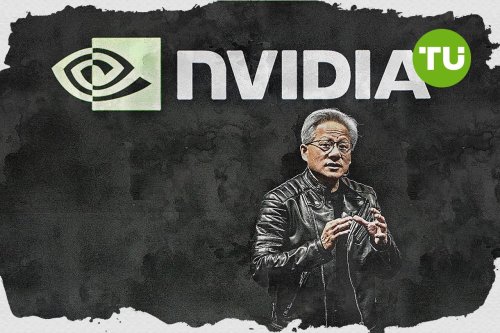
Our earlier update on Nvidia (NVDA) highlighted intensifying selling pressure in the stock even as the company reinforced its fundamentals through the RTX Spark PC initiative and newly secured HBM4 memory supply from key partners. We also noted that upcoming U.S. scrutiny of AI chip exports to China could add near-term volatility, making the policy backdrop an important factor alongside technical levels for AI-linked names.







-
 Afghanistan
-
 Albania
-
 Algeria
-
 Angola
-
 Argentina
-
 Armenia
-
 Australia
-
 Austria
-
 Azerbaijan
-
 Bahamas
-
 Bahrain
-
 Bangladesh
-
 Belarus
-
 Belgium
-
 Bolivia
-
 Botswana
-
 Brazil
-
 Brunei
-
 Bulgaria
-
 Cambodia
-
 Cameroon
-
 Canada
-
 Chile
Chile
-
 China
China
-
 Colombia
-
 Congo
Congo
-
 Costa Rica
-
 Cote d'Ivoire
-
 Croatia
-
 Cuba
Cuba
-
 Cyprus
-
 Czechia
-
 DR Congo
-
 Denmark
-
 Dominican Republic
-
 Ecuador
-
 Egypt
Egypt
-
 El Salvador
-
 Estonia
-
 Eswatini
-
 Ethiopia
-
 Finland
-
 France
-
 Georgia
-
 Germany
-
 Ghana
Ghana
-
 Greece
-
 Haiti
Haiti
-
 Hong Kong
-
 Hungary
-
 India
India
-
 Indonesia
-
 Iran, Islamic republic
-
 Iraq
Iraq
-
 Ireland
-
 Israel
-
 Italy
Italy
-
 Jamaica
-
 Japan
Japan
-
 Jordan
-
 Kazakhstan
-
 Kenya
Kenya
-
 Korea
Korea
-
 Kuwait
-
 Kyrgyzstan
-
 Laos
Laos
-
 Latvia
-
 Lebanon
-
 Lesotho
-
 Libya
Libya
-
 Lithuania
-
 Luxembourg
-
 Madagascar
-
 Malaysia
-
 Malta
Malta
-
 Mauritius
-
 Mexico
-
 Moldova
-
 Mongolia
-
 Montenegro
-
 Morocco
-
 Mozambique
-
 Myanmar
-
 Namibia
-
 Nepal
Nepal
-
 Netherlands
-
 New Zealand
-
 Nigeria
-
 North Macedonia
-
 Norway
-
 Oman
Oman
-
 Pakistan
-
 Palestine
-
 Panama
-
 Papua New Guinea
-
 Paraguay
-
 Peru
Peru
-
 Philippines
-
 Poland
-
 Portugal
-
 Puerto Rico
-
 Qatar
Qatar
-
 Reunion
-
 Romania
-
 Rwanda
-
 Saudi Arabia
-
 Serbia
-
 Singapore
-
 Slovakia
-
 Slovenia
-
 Somalia
-
 South Africa
-
 Spain
Spain
-
 Sri Lanka
-
 Sweden
-
 Switzerland
-
 Syria
Syria
-
 Taiwan
-
 Tajikistan
-
 Tanzania
-
 Thailand
-
 Trinidad and Tobago
-
 Tunisia
-
 Turkey
-
 UAE
UAE
-
 Uganda
-
 Ukraine
-
 United Kingdom
-
United States
-
 Uruguay
-
 Uzbekistan
-
 Venezuela
-
 Vietnam
-
 Yemen
Yemen
-
 Zambia
-
 Zimbabwe
- Forex
- Crypto












