
Trump’s Iran crisis clouds U.S. leverage in the Middle East
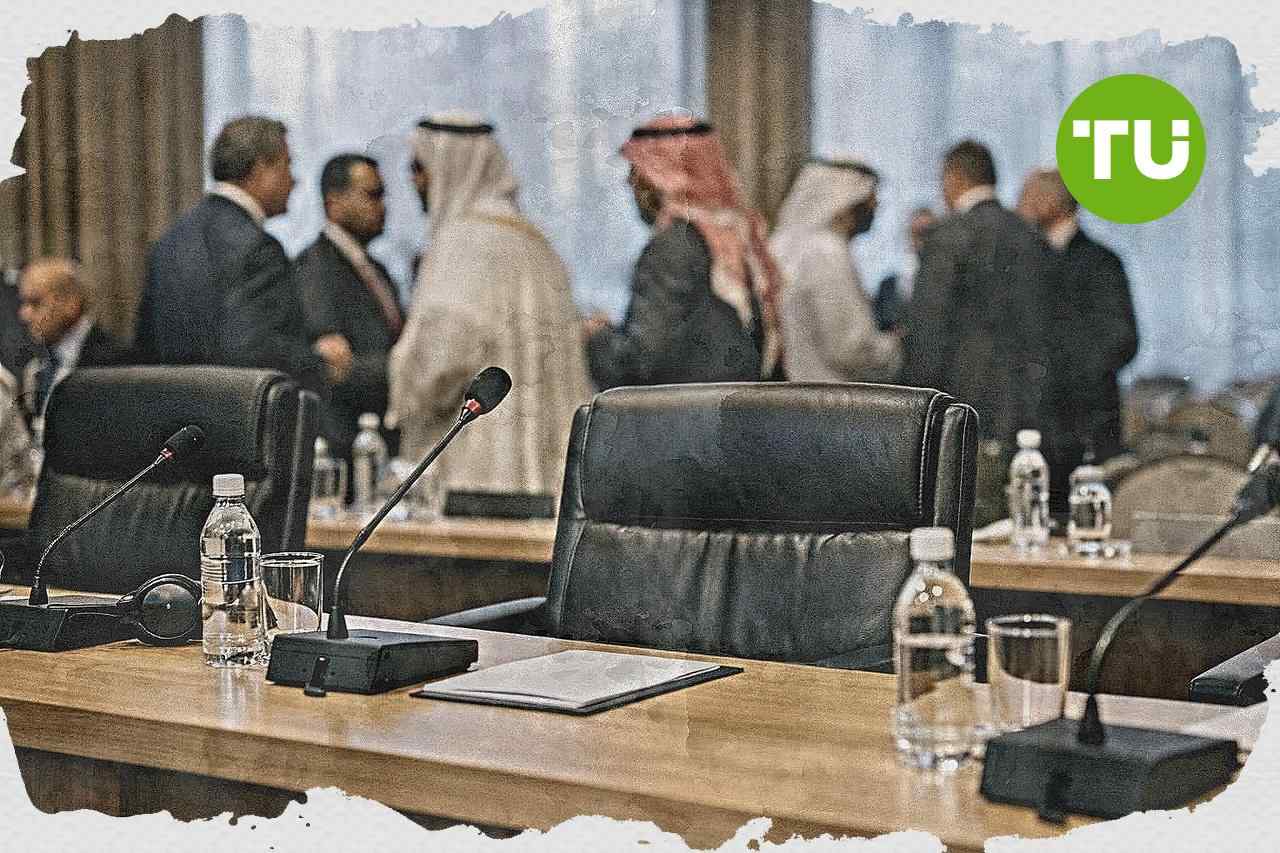
Donald Trump faces growing questions over U.S. influence in the Middle East as the conflict involving Iran, Israel and Lebanon keeps testing Washington’s ability to shape events. The commentary argues that, much like Jimmy Carter during the Iran hostage crisis, Trump risks having his presidency defined by an adversary he cannot fully control.
Highlights
- Israel's decision to proceed with military action despite Trump's call for restraint undermines U.S. leverage over Tehran in Middle East negotiations.
- Iran's insistence on a full Lebanon ceasefire and ongoing violence from Israel and Hizbollah constrain Trump's ability to dictate diplomatic outcomes.
- The article suggests Trump is unlikely to exert effective pressure on Israel or build deep negotiations with Iran, increasing risks and driving strategic focus back to the western hemisphere.
Middle East conflict tests presidential control
As argued by the Financial Times, the central risk for Trump is the perception that other actors, particularly Iran and Israel, are setting the pace of events while the White House struggles to impose its preferred outcome.The piece says Trump insists he remains in charge, but that claim is undermined by Israel’s decision to press ahead with military action after he urged restraint. It adds that even if Trump quietly backed Israel’s response, the broader impression that he cannot restrain Prime Minister Benjamin Netanyahu weakens his chances of securing major concessions from Tehran.
The analysis also portrays Trump as constrained by Iran’s own negotiating posture. Tehran is described as demanding a full ceasefire in Lebanon before talks can advance, while continued Israeli strikes and Hizbollah rocket fire keep raising the political and diplomatic cost of a deal. In that reading, both Iran and Israel are shaping the direction and duration of the war, leaving Trump reacting rather than dictating terms.
Political risks extend beyond the region
The article argues that escaping that trap would require steps Trump is unlikely to embrace, including using U.S. military aid as leverage over Israel, building a sustained technical negotiating effort with Iran, and maintaining a consistent message around both strategies. It suggests Trump lacks the patience for that approach and may instead seek compensating actions in arenas where he can project clearer control.That is where the comparison with Carter begins to diverge. While Carter is depicted as having allowed the Iran hostage crisis to dominate his presidency, Trump is presented as more likely to shift attention toward areas closer to his broader strategic agenda, especially the western hemisphere. The commentary points to his previously stated emphasis on reasserting U.S. dominance in the region and says that, unlike Carter, Trump is not positioned to broker peace far beyond America’s immediate sphere of influence.
Our previous coverage of the Iran–Israel tensions highlighted how renewed conflict risks were filtering into markets, lifting oil prices as investors weighed potential supply disruption in the region. We also noted that crude gains were being capped by weaker Chinese demand, keeping prices below the $100 level despite elevated geopolitical uncertainty.






-
 Afghanistan
-
 Albania
-
 Algeria
-
 Angola
-
 Argentina
-
 Armenia
-
 Australia
-
 Austria
-
 Azerbaijan
-
 Bahamas
-
 Bahrain
-
 Bangladesh
-
 Belarus
-
 Belgium
-
 Bolivia
-
 Botswana
-
 Brazil
-
 Brunei
-
 Bulgaria
-
 Cambodia
-
 Cameroon
-
 Canada
-
 Chile
Chile
-
 China
China
-
 Colombia
-
 Congo
Congo
-
 Costa Rica
-
 Cote d'Ivoire
-
 Croatia
-
 Cuba
Cuba
-
 Cyprus
-
 Czechia
-
 DR Congo
-
 Denmark
-
 Dominican Republic
-
 Ecuador
-
 Egypt
Egypt
-
 El Salvador
-
 Estonia
-
 Eswatini
-
 Ethiopia
-
 Finland
-
 France
-
 Georgia
-
 Germany
-
 Ghana
Ghana
-
 Greece
-
 Haiti
Haiti
-
 Hong Kong
-
 Hungary
-
 India
India
-
 Indonesia
-
 Iran, Islamic republic
-
 Iraq
Iraq
-
 Ireland
-
 Israel
-
 Italy
Italy
-
 Jamaica
-
 Japan
Japan
-
 Jordan
-
 Kazakhstan
-
 Kenya
Kenya
-
 Korea
Korea
-
 Kuwait
-
 Kyrgyzstan
-
 Laos
Laos
-
 Latvia
-
 Lebanon
-
 Lesotho
-
 Libya
Libya
-
 Lithuania
-
 Luxembourg
-
 Madagascar
-
 Malaysia
-
 Malta
Malta
-
 Mauritius
-
 Mexico
-
 Moldova
-
 Mongolia
-
 Montenegro
-
 Morocco
-
 Mozambique
-
 Myanmar
-
 Namibia
-
 Nepal
Nepal
-
 Netherlands
-
 New Zealand
-
 Nigeria
-
 North Macedonia
-
 Norway
-
 Oman
Oman
-
 Pakistan
-
 Palestine
-
 Panama
-
 Papua New Guinea
-
 Paraguay
-
 Peru
Peru
-
 Philippines
-
 Poland
-
 Portugal
-
 Puerto Rico
-
 Qatar
Qatar
-
 Reunion
-
 Romania
-
 Rwanda
-
 Saudi Arabia
-
 Serbia
-
 Singapore
-
 Slovakia
-
 Slovenia
-
 Somalia
-
 South Africa
-
 Spain
Spain
-
 Sri Lanka
-
 Sweden
-
 Switzerland
-
 Syria
Syria
-
 Taiwan
-
 Tajikistan
-
 Tanzania
-
 Thailand
-
 Trinidad and Tobago
-
 Tunisia
-
 Turkey
-
 UAE
UAE
-
 Uganda
-
 Ukraine
-
 United Kingdom
-
United States
-
 Uruguay
-
 Uzbekistan
-
 Venezuela
-
 Vietnam
-
 Yemen
Yemen
-
 Zambia
-
 Zimbabwe
- Forex
- Crypto











