
Qcells starts Georgia solar cell production as U.S. manufacturing capacity expands
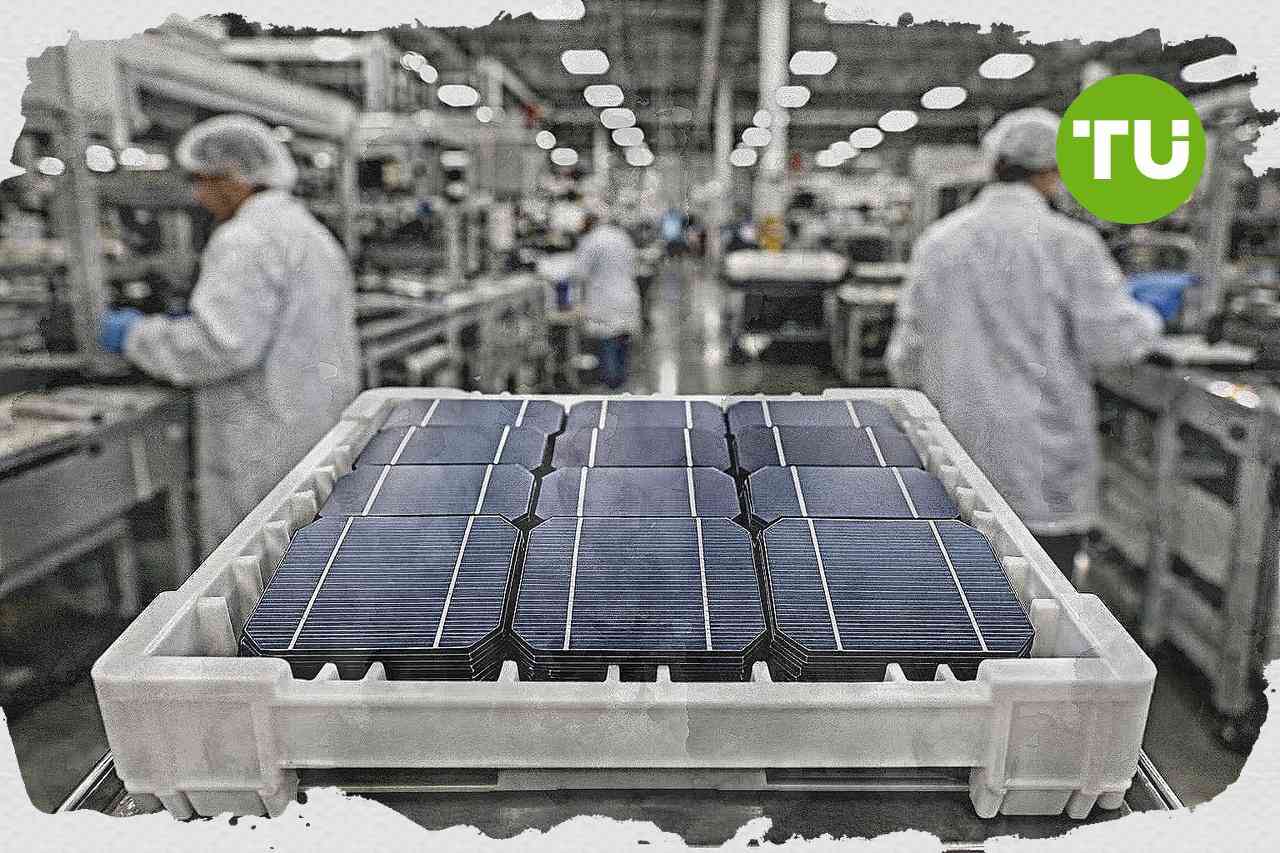
Domestic solar manufacturing is gaining a new link in its supply chain as Qcells begins producing solar cells at its Cartersville, Georgia facility. The start-up is significant because the U.S. still has far less solar cell capacity than panel assembly capacity, leaving most domestic module factories reliant on imported cells.
Highlights
- Qcells began solar cell production at its Cartersville, Georgia factory, with annual capacity of 3.3 gigawatts of cells, wafers, and ingots.
- When fully operational in Q3, the Cartersville site will be the largest U.S. solar cell factory, nearly doubling current U.S. cell capacity of 3.2 gigawatts.
- Qcells invested $2.5 billion in its U.S. supply chain in 2023, capitalizing on federal subsidies and trade measures aimed at reducing reliance on Asian imports.
Georgia factory adds key supply chain step
As reported by Qcells, the company has started making solar cells at its Cartersville, Georgia factory, advancing its plan to manufacture the main components used in silicon-based solar panels in the United States.Solar cells are the core building blocks of modules that convert sunlight into electricity. Qcells says the Cartersville site will have annual capacity of 3.3 gigawatts each of ingots, wafers and cells, along with 3.5 gigawatts of modules, and is expected to become the largest solar cell factory in U.S. history when it reaches full production in the third quarter of this year.
Scott Moskowitz, Qcells' vice president of market strategy, says cell production has been the key capability the country has been trying to bring back to the United States.
U.S. solar sector pushes to cut import reliance
The expansion comes as the U.S. solar industry works to reduce dependence on equipment imported from Asia, particularly as trade tensions and restrictions targeting Chinese-linked suppliers disrupt supplies. U.S. solar manufacturing has long lagged China, which remains the dominant global supplier of solar components.According to the Solar Energy Industries Association, the United States currently has 3.2 gigawatts of solar cell capacity and 60 gigawatts of panel capacity, meaning most cells used by domestic module factories are still imported. Production from the Qcells facility would nearly double existing U.S. cell capacity.
Washington has sought to build domestic output through subsidies and trade measures, including tax credits tied to locally made equipment. Qcells announced a $2.5 billion investment in its U.S. supply chain in 2023 and has emerged as one of the largest beneficiaries of those policies.
Estée Lauder’s UK Whitman facility expansion was previously covered in our publication, highlighting a $72 million investment that boosts automation and sustainability while positioning the site as a global hub for luxury candle production. The article also noted how the manufacturing upgrade supported near-term positive sentiment in EL shares, even as the stock faced technical resistance and a likely consolidation range in the days ahead.


Latest National Grid News








-
 Afghanistan
-
 Albania
-
 Algeria
-
 Angola
-
 Argentina
-
 Armenia
-
 Australia
-
 Austria
-
 Azerbaijan
-
 Bahamas
-
 Bahrain
-
 Bangladesh
-
 Belarus
-
 Belgium
-
 Bolivia
-
 Botswana
-
 Brazil
-
 Brunei
-
 Bulgaria
-
 Cambodia
-
 Cameroon
-
 Canada
-
 Chile
Chile
-
 China
China
-
 Colombia
-
 Congo
Congo
-
 Costa Rica
-
 Cote d'Ivoire
-
 Croatia
-
 Cuba
Cuba
-
 Cyprus
-
 Czechia
-
 DR Congo
-
 Denmark
-
 Dominican Republic
-
 Ecuador
-
 Egypt
Egypt
-
 El Salvador
-
 Estonia
-
 Eswatini
-
 Ethiopia
-
 Finland
-
 France
-
 Georgia
-
 Germany
-
 Ghana
Ghana
-
 Greece
-
 Haiti
Haiti
-
 Hong Kong
-
 Hungary
-
 India
India
-
 Indonesia
-
 Iran, Islamic republic
-
 Iraq
Iraq
-
 Ireland
-
 Israel
-
 Italy
Italy
-
 Jamaica
-
 Japan
Japan
-
 Jordan
-
 Kazakhstan
-
 Kenya
Kenya
-
 Korea
Korea
-
 Kuwait
-
 Kyrgyzstan
-
 Laos
Laos
-
 Latvia
-
 Lebanon
-
 Lesotho
-
 Libya
Libya
-
 Lithuania
-
 Luxembourg
-
 Madagascar
-
 Malaysia
-
 Malta
Malta
-
 Mauritius
-
 Mexico
-
 Moldova
-
 Mongolia
-
 Montenegro
-
 Morocco
-
 Mozambique
-
 Myanmar
-
 Namibia
-
 Nepal
Nepal
-
 Netherlands
-
 New Zealand
-
 Nigeria
-
 North Macedonia
-
 Norway
-
 Oman
Oman
-
 Pakistan
-
 Palestine
-
 Panama
-
 Papua New Guinea
-
 Paraguay
-
 Peru
Peru
-
 Philippines
-
 Poland
-
 Portugal
-
 Puerto Rico
-
 Qatar
Qatar
-
 Reunion
-
 Romania
-
 Rwanda
-
 Saudi Arabia
-
 Serbia
-
 Singapore
-
 Slovakia
-
 Slovenia
-
 Somalia
-
 South Africa
-
 Spain
Spain
-
 Sri Lanka
-
 Sweden
-
 Switzerland
-
 Syria
Syria
-
 Taiwan
-
 Tajikistan
-
 Tanzania
-
 Thailand
-
 Trinidad and Tobago
-
 Tunisia
-
 Turkey
-
 UAE
UAE
-
 Uganda
-
 Ukraine
-
 United Kingdom
-
United States
-
 Uruguay
-
 Uzbekistan
-
 Venezuela
-
 Vietnam
-
 Yemen
Yemen
-
 Zambia
-
 Zimbabwe
- Forex
- Crypto












