
UK plans to ease EV sales targets as carmakers warn over investment and jobs
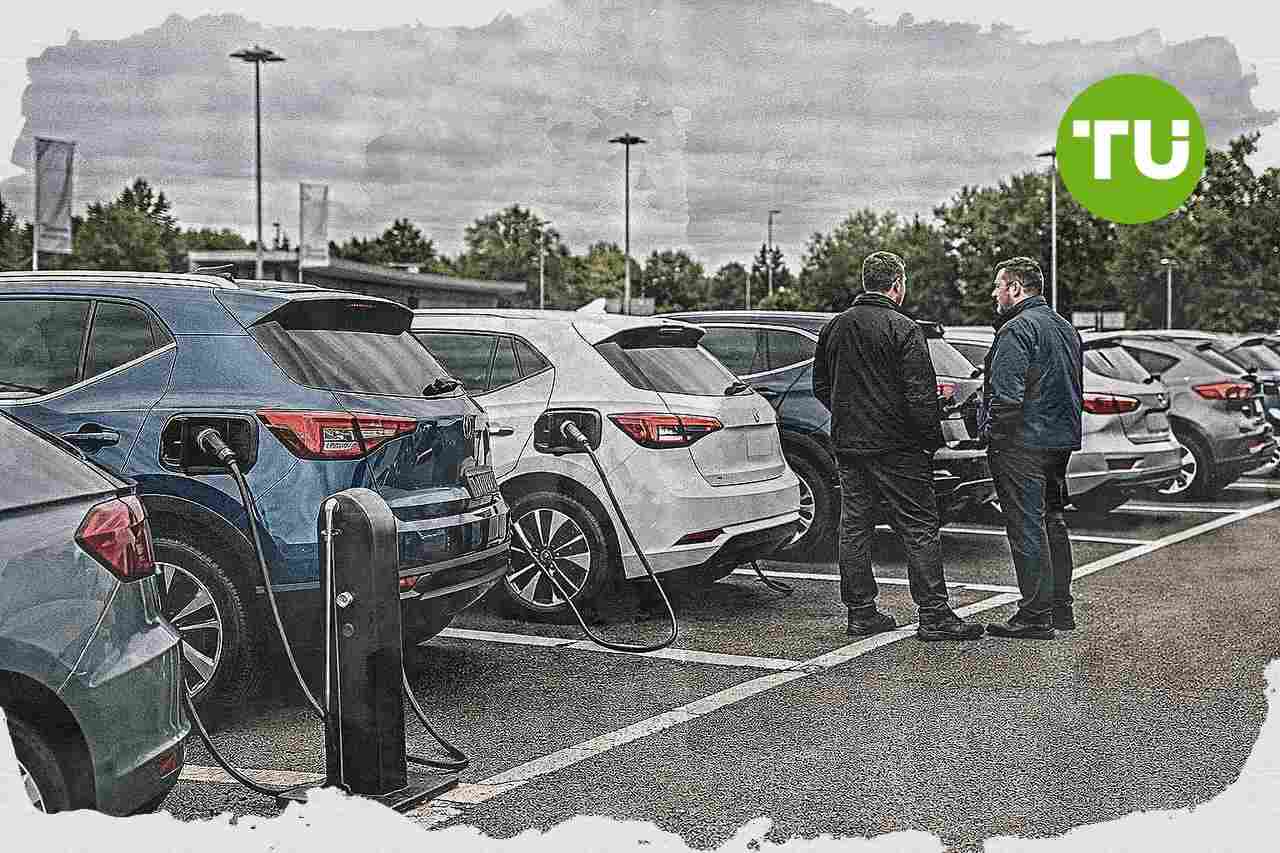
Britain is preparing changes to its electric vehicle sales regime as ministers seek to balance decarbonisation goals with pressure from automakers and unions. The government still plans to end sales of new petrol and diesel cars by 2030, but it is considering a lower all-electric requirement before the end of the decade.
Highlights
- Keir Starmer's government plans to consult on revising the zero-emission vehicle mandate, lowering the 2030 all-electric target for new cars from 80% to 50%, with hybrids allowed to make up the difference.
- Automotive manufacturers, already struggling to meet targets with EVs accounting for 24% of new UK car sales in the first five months of 2024, warn strict mandates could reduce investment and cause job losses.
- Industry groups and investors express concerns that further easing targets may undermine confidence in EV infrastructure investments and destabilize companies already committed to electric vehicle production.
Consultation plans reshape mandate path
As reported by Financial Times, Prime Minister Keir Starmer is poised to launch a consultation on weakening the zero-emission vehicle mandate after discussions with industry leaders, Business Secretary Peter Kyle and trade union representatives concerned about automotive job losses.The current mandate requires 80% of new cars sold in Britain to be fully electric by the end of the decade, with hybrids accounting for the remaining 20%. Starmer has signed off on a plan that would cut the all-electric share to 50% and allow hybrids to make up the other half.
Ministers are not abandoning Labour's pledge to end the sale of new internal combustion engine vehicles by 2030, as set out in the party's 2024 general election manifesto. The government is also keeping 2035 as the deadline for hybrid sales, after which only fully electric new cars would remain on the market.
The ZEV mandate applies only to newly sold cars and does not affect older or second-hand vehicles already on the road. The policy shift comes even though Labour had previously criticised the former Conservative government for changing the rules in ways that unsettled the sector.
Industry pressure and investor concerns
Automotive executives have warned that a stricter trajectory could force companies to scale back UK investment, while some manufacturers are already struggling to meet EV targets without offering steep discounts or buying carbon credits from rivals such as Tesla and BYD. One government figure described the current mandate as "exponential", arguing that EV sales are increasing but not fast enough to match the required path.In the first five months of the year, EVs account for 24% of new car sales in the UK, according to the Society of Motor Manufacturers and Traders, up from 21% in 2025 but still below the government's 33% requirement. Industry figures say a flatter path would ease immediate pressure, though some are also seeking clearer definitions of which vehicles would qualify as hybrids.
A government official says Kyle has been central to the policy rethink, working with both carmakers and Sharon Graham, general secretary of Unite the Union. Graham last week called for the targets to be radically reduced, saying the mandate is contributing significantly to the loss of automotive jobs in Britain.
Supporters of the existing targets warn that another policy shift could confuse consumers and undermine businesses that have invested heavily in EV production and related infrastructure. Greg Jackson, chief executive of Octopus Energy, says the government is favouring short-term lobbying over the industry's long-term future, while James Alexander, chief executive of the UK Sustainable Investment and Finance Association, says weaker targets could unsettle investors backing charging network expansion.
Our earlier report on the planned UK–Japan investment and technology partnership outlined how Keir Starmer’s talks with Japan aim to unlock a wide package of funding and cooperation across infrastructure, offshore wind, and advanced tech such as AI and semiconductors. We noted that the proposed deals, tied to upcoming G7 discussions, were framed around strengthening industrial capacity and supporting jobs through major energy and technology projects.


Latest UK News







-
 Afghanistan
-
 Albania
-
 Algeria
-
 Angola
-
 Argentina
-
 Armenia
-
 Australia
-
 Austria
-
 Azerbaijan
-
 Bahamas
-
 Bahrain
-
 Bangladesh
-
 Belarus
-
 Belgium
-
 Bolivia
-
 Botswana
-
 Brazil
-
 Brunei
-
 Bulgaria
-
 Cambodia
-
 Cameroon
-
 Canada
-
 Chile
Chile
-
 China
China
-
 Colombia
-
 Congo
Congo
-
 Costa Rica
-
 Cote d'Ivoire
-
 Croatia
-
 Cuba
Cuba
-
 Cyprus
-
 Czechia
-
 DR Congo
-
 Denmark
-
 Dominican Republic
-
 Ecuador
-
 Egypt
Egypt
-
 El Salvador
-
 Estonia
-
 Eswatini
-
 Ethiopia
-
 Finland
-
 France
-
 Georgia
-
 Germany
-
 Ghana
Ghana
-
 Greece
-
 Haiti
Haiti
-
 Hong Kong
-
 Hungary
-
 India
India
-
 Indonesia
-
 Iran, Islamic republic
-
 Iraq
Iraq
-
 Ireland
-
 Israel
-
 Italy
Italy
-
 Jamaica
-
 Japan
Japan
-
 Jordan
-
 Kazakhstan
-
 Kenya
Kenya
-
 Korea
Korea
-
 Kuwait
-
 Kyrgyzstan
-
 Laos
Laos
-
 Latvia
-
 Lebanon
-
 Lesotho
-
 Libya
Libya
-
 Lithuania
-
 Luxembourg
-
 Madagascar
-
 Malaysia
-
 Malta
Malta
-
 Mauritius
-
 Mexico
-
 Moldova
-
 Mongolia
-
 Montenegro
-
 Morocco
-
 Mozambique
-
 Myanmar
-
 Namibia
-
 Nepal
Nepal
-
 Netherlands
-
 New Zealand
-
 Nigeria
-
 North Macedonia
-
 Norway
-
 Oman
Oman
-
 Pakistan
-
 Palestine
-
 Panama
-
 Papua New Guinea
-
 Paraguay
-
 Peru
Peru
-
 Philippines
-
 Poland
-
 Portugal
-
 Puerto Rico
-
 Qatar
Qatar
-
 Reunion
-
 Romania
-
 Rwanda
-
 Saudi Arabia
-
 Serbia
-
 Singapore
-
 Slovakia
-
 Slovenia
-
 Somalia
-
 South Africa
-
 Spain
Spain
-
 Sri Lanka
-
 Sweden
-
 Switzerland
-
 Syria
Syria
-
 Taiwan
-
 Tajikistan
-
 Tanzania
-
 Thailand
-
 Trinidad and Tobago
-
 Tunisia
-
 Turkey
-
 UAE
UAE
-
 Uganda
-
 Ukraine
-
 United Kingdom
-
United States
-
 Uruguay
-
 Uzbekistan
-
 Venezuela
-
 Vietnam
-
 Yemen
Yemen
-
 Zambia
-
 Zimbabwe
- Forex
- Crypto












