
UK and Japan set to agree $24 billion investment, technology partnerships
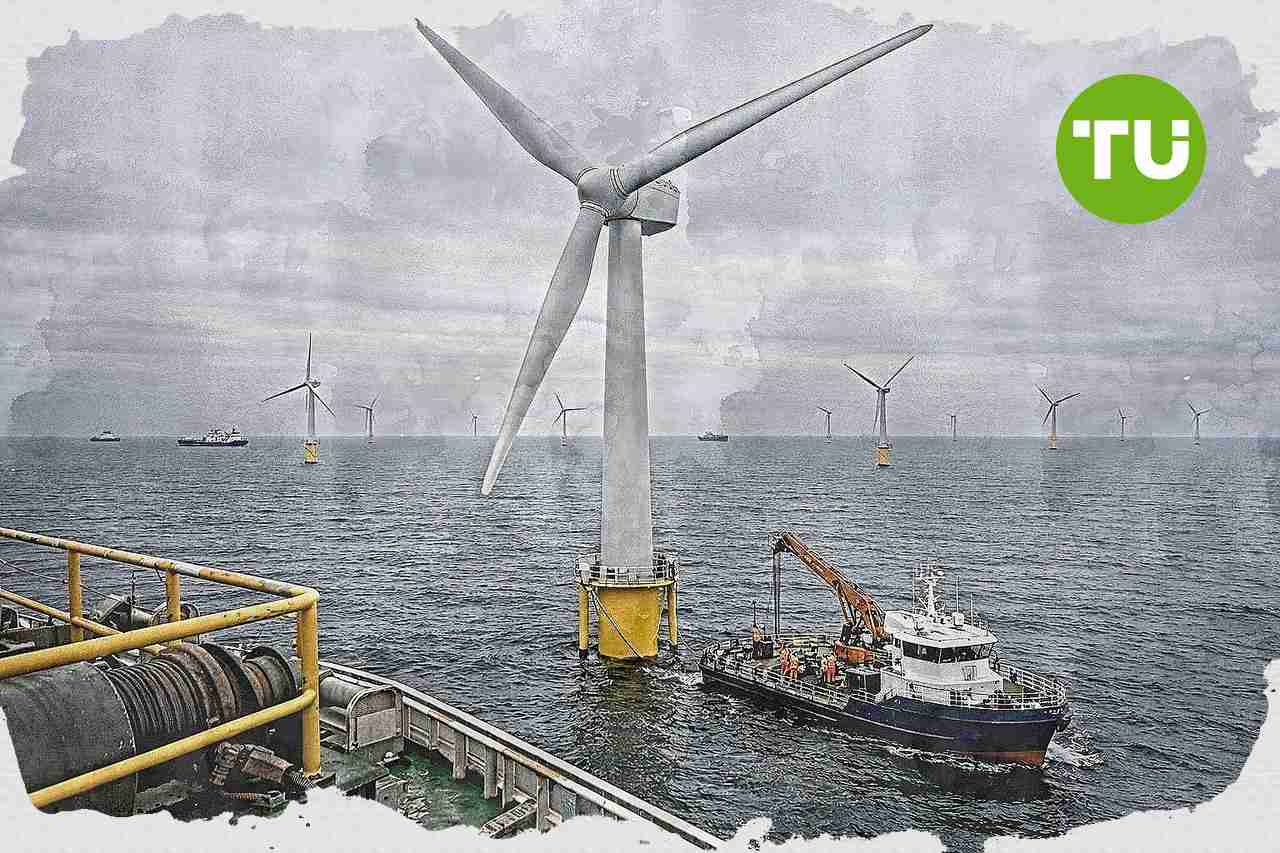
Britain and Japan are preparing a broad package of investment and technology agreements as Prime Minister Keir Starmer meets Japanese Prime Minister Sanae Takaichi on Sunday. The planned partnerships are worth more than 18 billion pounds, or $24 billion, and are expected to support tens of thousands of jobs across multiple sectors.
Highlights
- UK and Japan will agree on a $24 billion investment package, including a Japanese five-year pipeline of over £9 billion targeting infrastructure and financial services.
- The agreements will unlock up to £9 billion for UK offshore wind projects supporting 5.9 gigawatts of capacity in Scotland and the Celtic Sea.
- Upcoming announcements from Hitachi Energy, Rolls-Royce and Eisai cover joint investments in power grids, nuclear technology and life sciences, timed ahead of the June 15-17 G7 summit.
Investment package and technology scope
As reported by Reuters, the agreements include a Japanese five-year investment pipeline of more than 9 billion pounds focused on infrastructure and financial services. The package also includes plans to unlock up to 9 billion pounds for UK offshore wind projects.The offshore wind element is expected to support 5.9 gigawatts of capacity across projects in Scotland and the Celtic Sea. Britain and Japan are also set to launch a new technology partnership covering AI, semiconductors and quantum computing.
Industrial impact ahead of G7 summit
Separate announcements are also expected from companies including Hitachi Energy, Rolls-Royce and Eisai, with planned investments and collaborations spanning power grid expansion, nuclear technology and life sciences.Additional business and government agreements are expected during Takaichi's visit. The meetings take place ahead of the June 15-17 G7 summit in France, linking the bilateral package to broader economic and industrial cooperation between the two countries.
In our earlier article on Jeremy Hunt’s growth reform agenda, we explained how he argues the UK can lift long-term productivity by pairing tighter spending discipline with supply-side changes. The proposals span tax and planning reforms to unlock investment, welfare changes to boost workforce participation, and faster delivery of energy and infrastructure projects to remove barriers to growth.















-
 Afghanistan
-
 Albania
-
 Algeria
-
 Angola
-
 Argentina
-
 Armenia
-
 Australia
-
 Austria
-
 Azerbaijan
-
 Bahamas
-
 Bahrain
-
 Bangladesh
-
 Belarus
-
 Belgium
-
 Bolivia
-
 Botswana
-
 Brazil
-
 Brunei
-
 Bulgaria
-
 Cambodia
-
 Cameroon
-
 Canada
-
 Chile
Chile
-
 China
China
-
 Colombia
-
 Congo
Congo
-
 Costa Rica
-
 Cote d'Ivoire
-
 Croatia
-
 Cuba
Cuba
-
 Cyprus
-
 Czechia
-
 DR Congo
-
 Denmark
-
 Dominican Republic
-
 Ecuador
-
 Egypt
Egypt
-
 El Salvador
-
 Estonia
-
 Eswatini
-
 Ethiopia
-
 Finland
-
 France
-
 Georgia
-
 Germany
-
 Ghana
Ghana
-
 Greece
-
 Haiti
Haiti
-
 Hong Kong
-
 Hungary
-
 India
India
-
 Indonesia
-
 Iran, Islamic republic
-
 Iraq
Iraq
-
 Ireland
-
 Israel
-
 Italy
Italy
-
 Jamaica
-
 Japan
Japan
-
 Jordan
-
 Kazakhstan
-
 Kenya
Kenya
-
 Korea
Korea
-
 Kuwait
-
 Kyrgyzstan
-
 Laos
Laos
-
 Latvia
-
 Lebanon
-
 Lesotho
-
 Libya
Libya
-
 Lithuania
-
 Luxembourg
-
 Madagascar
-
 Malaysia
-
 Malta
Malta
-
 Mauritius
-
 Mexico
-
 Moldova
-
 Mongolia
-
 Montenegro
-
 Morocco
-
 Mozambique
-
 Myanmar
-
 Namibia
-
 Nepal
Nepal
-
 Netherlands
-
 New Zealand
-
 Nigeria
-
 North Macedonia
-
 Norway
-
 Oman
Oman
-
 Pakistan
-
 Palestine
-
 Panama
-
 Papua New Guinea
-
 Paraguay
-
 Peru
Peru
-
 Philippines
-
 Poland
-
 Portugal
-
 Puerto Rico
-
 Qatar
Qatar
-
 Reunion
-
 Romania
-
 Rwanda
-
 Saudi Arabia
-
 Serbia
-
 Singapore
-
 Slovakia
-
 Slovenia
-
 Somalia
-
 South Africa
-
 Spain
Spain
-
 Sri Lanka
-
 Sweden
-
 Switzerland
-
 Syria
Syria
-
 Taiwan
-
 Tajikistan
-
 Tanzania
-
 Thailand
-
 Trinidad and Tobago
-
 Tunisia
-
 Turkey
-
 UAE
UAE
-
 Uganda
-
 Ukraine
-
 United Kingdom
-
United States
-
 Uruguay
-
 Uzbekistan
-
 Venezuela
-
 Vietnam
-
 Yemen
Yemen
-
 Zambia
-
 Zimbabwe
- Forex
- Crypto












