

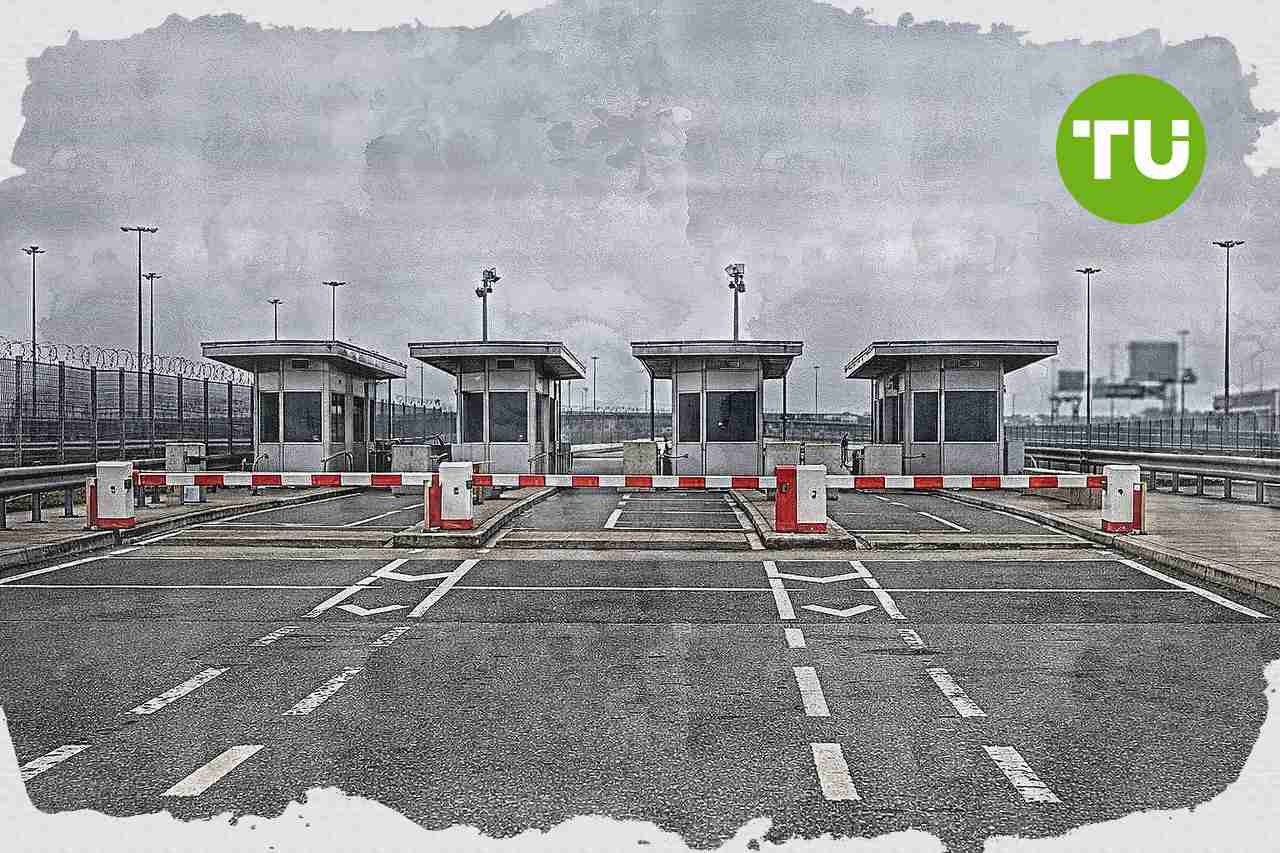
A decade after the Brexit vote, debate over Britain's long-term relationship with the European Union is still shaping political strategy in the UK and across Europe. Jean-Claude Juncker says any attempt by the UK to rejoin the bloc would face resistance from member states still scarred by its departure and unwilling to restore its former opt-outs.
Highlights
- Jean-Claude Juncker told the Financial Times that the UK would face resistance from most EU governments and lose prior exemptions if it sought to rejoin the bloc.
- Juncker stated Britain could not regain opt-outs from adopting the euro, Schengen, or its budget rebate, and pre-2016 referendum concessions would not be renewed.
- He highlighted UK-U.S. closeness as a political barrier and doubted a future British government's willingness to pursue EU membership due to anticipated domestic backlash.
Juncker sets out obstacles to UK re-entry
As reported by the Financial Times, former European Commission president Jean-Claude Juncker says the UK would be "cold-shouldered" by a majority of EU governments if it applied to rejoin the bloc, arguing that many member states remain "wounded" by Britain's decision to leave.Juncker tells the FT that the UK's previous membership terms would no longer be available. He says Britain would not regain exemptions such as its opt-out from adopting the euro, its exclusion from the Schengen travel zone and its budget rebate, and adds that concessions granted to former prime minister David Cameron before the June 2016 referendum would also not be renewed.
He also says a future British application would not move through the EU smoothly, and expresses doubt that Sir Keir Starmer's successor would support rejoining because of the domestic backlash it could trigger in Britain. Juncker argues that the UK's closeness to the U.S. is another obstacle at a time when the U.S. is not especially popular within the EU.
Brexit legacy still weighs on European politics
Juncker says the UK's departure is a loss for the EU because Britain brought what he calls "common sense" to European discussions, even as he acknowledges that Brussels sometimes alienated London through unnecessary regulation. He cites an early proposal during his 2014 mandate to harmonise toilet flushing rules across the bloc, saying he blocked it.Reflecting on the 2016 campaign, Juncker says David Cameron asked him not to intervene publicly because a pro-European message from him might repel Remain voters. He says he should have spoken out, arguing that Nigel Farage and other Brexit advocates spread false claims during the campaign.
Juncker says he always believed Leave would win because Britain never felt fully at ease inside the EU and successive governments framed membership largely in economic terms. He adds that his main objective during the Brexit negotiations is to preserve EU unity and discourage other member states from following the UK out of the bloc, arguing that developments in Britain since Brexit have exposed campaign promises as false.
In our earlier article on how AI is reshaping entry-level hiring in major consulting firms, we noted that graduate recruitment has remained relatively resilient even as employers adjust the skills they prioritize. The piece highlighted broadly stable starting pay alongside growing demand for AI implementation, digital transformation, and data expertise, as companies widen the net to non-traditional candidate profiles.




Latest Europe News




-
 Afghanistan
-
 Albania
-
 Algeria
-
 Angola
-
 Argentina
-
 Armenia
-
 Australia
-
 Austria
-
 Azerbaijan
-
 Bahamas
-
 Bahrain
-
 Bangladesh
-
 Belarus
-
 Belgium
-
 Bolivia
-
 Botswana
-
 Brazil
-
 Brunei
-
 Bulgaria
-
 Cambodia
-
 Cameroon
-
 Canada
-
 Chile
Chile
-
 China
China
-
 Colombia
-
 Congo
Congo
-
 Costa Rica
-
 Cote d'Ivoire
-
 Croatia
-
 Cuba
Cuba
-
 Cyprus
-
 Czechia
-
 DR Congo
-
 Denmark
-
 Dominican Republic
-
 Ecuador
-
 Egypt
Egypt
-
 El Salvador
-
 Estonia
-
 Eswatini
-
 Ethiopia
-
 Finland
-
 France
-
 Georgia
-
 Germany
-
 Ghana
Ghana
-
 Greece
-
 Haiti
Haiti
-
 Hong Kong
-
 Hungary
-
 India
India
-
 Indonesia
-
 Iran, Islamic republic
-
 Iraq
Iraq
-
 Ireland
-
 Israel
-
 Italy
Italy
-
 Jamaica
-
 Japan
Japan
-
 Jordan
-
 Kazakhstan
-
 Kenya
Kenya
-
 Korea
Korea
-
 Kuwait
-
 Kyrgyzstan
-
 Laos
Laos
-
 Latvia
-
 Lebanon
-
 Lesotho
-
 Libya
Libya
-
 Lithuania
-
 Luxembourg
-
 Madagascar
-
 Malaysia
-
 Malta
Malta
-
 Mauritius
-
 Mexico
-
 Moldova
-
 Mongolia
-
 Montenegro
-
 Morocco
-
 Mozambique
-
 Myanmar
-
 Namibia
-
 Nepal
Nepal
-
 Netherlands
-
 New Zealand
-
 Nigeria
-
 North Macedonia
-
 Norway
-
 Oman
Oman
-
 Pakistan
-
 Palestine
-
 Panama
-
 Papua New Guinea
-
 Paraguay
-
 Peru
Peru
-
 Philippines
-
 Poland
-
 Portugal
-
 Puerto Rico
-
 Qatar
Qatar
-
 Reunion
-
 Romania
-
 Rwanda
-
 Saudi Arabia
-
 Serbia
-
 Singapore
-
 Slovakia
-
 Slovenia
-
 Somalia
-
 South Africa
-
 Spain
Spain
-
 Sri Lanka
-
 Sweden
-
 Switzerland
-
 Syria
Syria
-
 Taiwan
-
 Tajikistan
-
 Tanzania
-
 Thailand
-
 Trinidad and Tobago
-
 Tunisia
-
 Turkey
-
 UAE
UAE
-
 Uganda
-
 Ukraine
-
 United Kingdom
-
United States
-
 Uruguay
-
 Uzbekistan
-
 Venezuela
-
 Vietnam
-
 Yemen
Yemen
-
 Zambia
-
 Zimbabwe
- Forex
- Crypto












