

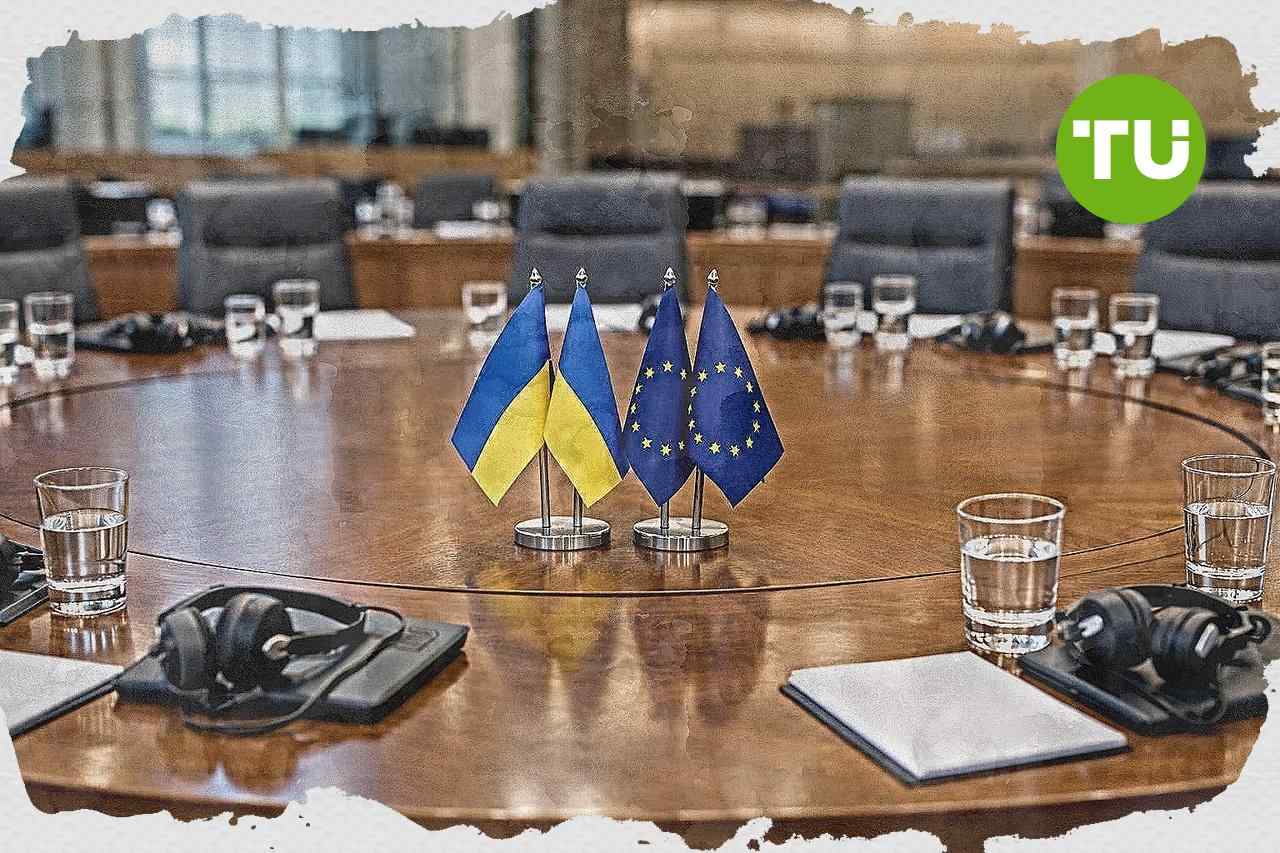
The European Union is formally moving Ukraine into the next stage of its membership bid after years of political and wartime disruption. The step opens negotiations on legal and institutional reforms that Kyiv must complete to align with EU standards, while also underscoring enlargement as a strategic tool in eastern Europe.
Highlights
- EU formally opens accession talks with Ukraine in Luxembourg after Hungary drops its veto, initiating legislative alignment with Cluster 1 focused on rule of law and anti-corruption.
- Corruption investigations and concerns about judicial independence in Ukraine remain key hurdles, as EU officials stress full compliance before advancing the remaining five negotiating clusters.
- Brussels signals intent for broader enlargement with Cluster 1 opening under the Cypriot presidency, while Montenegro closes two negotiation chapters, now totaling 16 chapters closed.
Negotiations begin with rule-of-law focus
As first reported by Financial Times, the EU on Monday formally opens accession talks with Ukraine after Hungary drops its veto on the legislative alignment process required for Kyiv to join the bloc.The opening ceremony takes place in Luxembourg on the sidelines of a meeting of foreign ministers, days after Budapest gives its assent. The European Commission opens the first of several negotiating clusters, covering part of the 35 accession chapters that define the legal changes needed to bring Ukrainian law into line with EU rules.
The first cluster includes rule of law, judicial independence, anti-corruption and human rights. Taras Kachka, Ukraine's deputy prime minister for European integration, calls the move a definite step towards accession and says Kyiv expects the next steps to proceed without delay.
Ukraine applies for EU membership weeks after Russia launches its full-scale invasion in 2022 and receives candidate status months later. Formal negotiations are then blocked by Viktor Orbán's government in Hungary, before Budapest changes course after a leadership shift following spring elections.
Reform demands and wider enlargement implications
Corruption remains one of the most difficult issues in Ukraine's path toward membership. A major scandal late last year triggers a political crisis in wartime Ukraine, leading President Volodymyr Zelenskyy to seek ministerial resignations and dismiss presidential office chief Andriy Yermak, who denies allegations linked to a money-laundering probe.The investigation is led by the National Anti-Corruption Bureau of Ukraine and the Special Anti-Corruption Prosecutor's Office, bodies created after the 2014 Maidan revolution and long viewed by European partners as key anti-corruption reforms. Last summer, an attempt by Zelenskyy to curb the independence of those institutions sparks rare wartime protests and criticism from EU officials and member states.
EU enlargement commissioner Marta Kos says the opening of Cluster 1 is important for deeper integration into EU structures and signals that Brussels wants the remaining five negotiating clusters opened before summer. The step also marks a win for the Cypriot presidency of the EU, which has made enlargement a priority, even as many capitals remain uneasy about the scale of reforms required and the prospect of Ukraine joining by the end of the decade while war with Russia continues.
The debate comes as member states consider changes to the accession process, including possible intermediate forms of integration for candidate countries. Montenegro, widely seen as the next most likely entrant, also advances on Monday by closing two negotiation chapters, bringing its total closed chapters to 16.
In our earlier article on the obstacles to a potential UK return to the EU, we examined Jean-Claude Juncker’s view that any re-entry bid would face strong resistance from member states still shaped by the Brexit experience. We also noted that Britain would be unlikely to regain past opt-outs such as exemptions from the euro and Schengen, and that domestic political backlash could further complicate any future application.



Latest Ukraine News



-
 Afghanistan
-
 Albania
-
 Algeria
-
 Angola
-
 Argentina
-
 Armenia
-
 Australia
-
 Austria
-
 Azerbaijan
-
 Bahamas
-
 Bahrain
-
 Bangladesh
-
 Belarus
-
 Belgium
-
 Bolivia
-
 Botswana
-
 Brazil
-
 Brunei
-
 Bulgaria
-
 Cambodia
-
 Cameroon
-
 Canada
-
 Chile
Chile
-
 China
China
-
 Colombia
-
 Congo
Congo
-
 Costa Rica
-
 Cote d'Ivoire
-
 Croatia
-
 Cuba
Cuba
-
 Cyprus
-
 Czechia
-
 DR Congo
-
 Denmark
-
 Dominican Republic
-
 Ecuador
-
 Egypt
Egypt
-
 El Salvador
-
 Estonia
-
 Eswatini
-
 Ethiopia
-
 Finland
-
 France
-
 Georgia
-
 Germany
-
 Ghana
Ghana
-
 Greece
-
 Haiti
Haiti
-
 Hong Kong
-
 Hungary
-
 India
India
-
 Indonesia
-
 Iran, Islamic republic
-
 Iraq
Iraq
-
 Ireland
-
 Israel
-
 Italy
Italy
-
 Jamaica
-
 Japan
Japan
-
 Jordan
-
 Kazakhstan
-
 Kenya
Kenya
-
 Korea
Korea
-
 Kuwait
-
 Kyrgyzstan
-
 Laos
Laos
-
 Latvia
-
 Lebanon
-
 Lesotho
-
 Libya
Libya
-
 Lithuania
-
 Luxembourg
-
 Madagascar
-
 Malaysia
-
 Malta
Malta
-
 Mauritius
-
 Mexico
-
 Moldova
-
 Mongolia
-
 Montenegro
-
 Morocco
-
 Mozambique
-
 Myanmar
-
 Namibia
-
 Nepal
Nepal
-
 Netherlands
-
 New Zealand
-
 Nigeria
-
 North Macedonia
-
 Norway
-
 Oman
Oman
-
 Pakistan
-
 Palestine
-
 Panama
-
 Papua New Guinea
-
 Paraguay
-
 Peru
Peru
-
 Philippines
-
 Poland
-
 Portugal
-
 Puerto Rico
-
 Qatar
Qatar
-
 Reunion
-
 Romania
-
 Rwanda
-
 Saudi Arabia
-
 Serbia
-
 Singapore
-
 Slovakia
-
 Slovenia
-
 Somalia
-
 South Africa
-
 Spain
Spain
-
 Sri Lanka
-
 Sweden
-
 Switzerland
-
 Syria
Syria
-
 Taiwan
-
 Tajikistan
-
 Tanzania
-
 Thailand
-
 Trinidad and Tobago
-
 Tunisia
-
 Turkey
-
 UAE
UAE
-
 Uganda
-
 Ukraine
-
 United Kingdom
-
United States
-
 Uruguay
-
 Uzbekistan
-
 Venezuela
-
 Vietnam
-
 Yemen
Yemen
-
 Zambia
-
 Zimbabwe
- Forex
- Crypto












