
Ukraine weighs military leadership change as protests pressure command
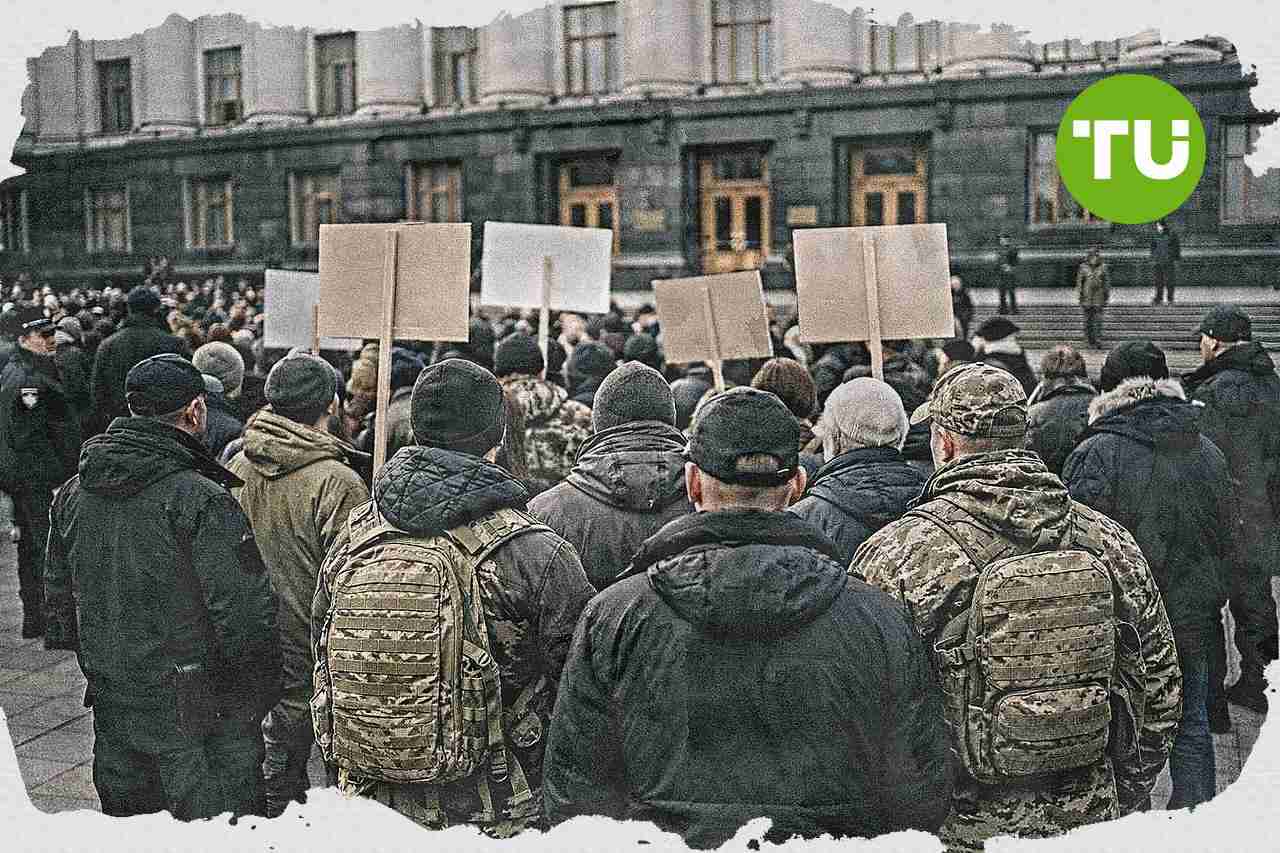
Ukraine’s wartime leadership crisis is deepening as President Volodymyr Zelenskyy considers replacing commander-in-chief Oleksandr Syrsky after the dismissal of defence minister Mykhailo Fedorov. The dispute is widening beyond the cabinet reshuffle, with street protests in Kyiv and other cities turning into a broader challenge to military command during a critical phase of the war with Russia.
Highlights
- President Zelenskyy convenes military leadership to assess battlefield conditions and consider replacing Syrsky, aiming for a smooth transition along Ukraine’s 1,200km front line.
- Public protests in Kyiv, Lviv, and Odesa swell following Fedorov's dismissal, with demonstrators—including military veterans—demanding Syrsky’s removal and Fedorov’s reinstatement.
- Fedorov, backed by Western partners, accuses Syrsky of obstructing defence ministry reforms and corruption, while Zelenskyy’s office acknowledges rising dissent among armed forces personnel.
Leadership review amid widening crisis
As reported by Financial Times, Zelenskyy is gathering military commanders this weekend to assess battlefield conditions and interview possible successors as he weighs whether to remove Syrsky. A senior administration official says the president is prepared to act if he can secure a smooth transfer of command while preserving Ukraine’s defence across the 1,200km front line.The pressure on Syrsky intensifies after Zelenskyy dismisses Fedorov this week, following what Fedorov describes as an ultimatum from the commander to remove him. Zelenskyy says relations between the two men deteriorate so badly that they are no longer speaking directly and can communicate only with the president acting as mediator.
At a press conference on Thursday, Fedorov says Syrsky blocks efforts to reform the defence ministry and enables corruption, while also acknowledging the general’s role in defending Kyiv and leading counteroffensives in Kharkiv and Kherson in 2022. Fedorov argues that Ukraine needs a reset in senior military leadership, saying the war is shifting toward drones and automation while Syrsky remains committed to a more traditional infantry and artillery model.
Protests and wartime implications
Public anger over Fedorov’s removal is expanding into direct calls for Syrsky’s dismissal, with thousands of demonstrators gathering outside the presidential administration in Kyiv and in cities including Lviv and Odesa. Dmytro Koziatynskyi, a military veteran who helps organise the protests, says the movement’s main demands are Syrsky’s removal and Fedorov’s return to office.Veterans and active-duty troops are also joining the demonstrations, a rare sign of visible dissent from within military ranks as Ukraine seeks to maintain momentum in the war against Russia. Western partners and Nato officials have worked closely with Fedorov and backed his reform plans at the defence ministry, and a western defence attaché in Kyiv describes his abrupt dismissal as a shock.
Syrsky, who takes over as commander-in-chief in February 2024 after the removal of Valeriy Zaluzhny, is known among some troops as "the Butcher" because of his readiness to accept heavy casualties in pursuit of military goals. Separately, Zelenskyy is still trying to fill the ambassador post in Washington, with aides saying former prime minister Yulia Svyrydenko remains his preferred choice even after declining the role this week.
Germany’s military overhaul based on Ukraine’s battlefield lessons was the focus of our earlier report, highlighting how the Bundeswehr is adjusting training, procurement and doctrine as Berlin ramps up defence spending. We noted that combat-experienced Ukrainian troops were training in Germany on drone and counter-drone tactics, while Germany also reinforced its NATO posture with plans for a brigade in Lithuania amid uncertainty about the U.S. security commitment in Europe.


Latest Ukraine News






-
 Afghanistan
-
 Albania
-
 Algeria
-
 Angola
-
 Argentina
-
 Armenia
-
 Australia
-
 Austria
-
 Azerbaijan
-
 Bahamas
-
 Bahrain
-
 Bangladesh
-
 Belarus
-
 Belgium
-
 Bolivia
-
 Botswana
-
 Brazil
-
 Brunei
-
 Bulgaria
-
 Cambodia
-
 Cameroon
-
 Canada
-
 Chile
Chile
-
 China
China
-
 Colombia
-
 Congo
Congo
-
 Costa Rica
-
 Cote d'Ivoire
-
 Croatia
-
 Cuba
Cuba
-
 Cyprus
-
 Czechia
-
 DR Congo
-
 Denmark
-
 Dominican Republic
-
 Ecuador
-
 Egypt
Egypt
-
 El Salvador
-
 Estonia
-
 Eswatini
-
 Ethiopia
-
 Finland
-
 France
-
 Georgia
-
 Germany
-
 Ghana
Ghana
-
 Greece
-
 Haiti
Haiti
-
 Hong Kong
-
 Hungary
-
 India
India
-
 Indonesia
-
 Iran, Islamic republic
-
 Iraq
Iraq
-
 Ireland
-
 Israel
-
 Italy
Italy
-
 Jamaica
-
 Japan
Japan
-
 Jordan
-
 Kazakhstan
-
 Kenya
Kenya
-
 Korea
Korea
-
 Kuwait
-
 Kyrgyzstan
-
 Laos
Laos
-
 Latvia
-
 Lebanon
-
 Lesotho
-
 Libya
Libya
-
 Lithuania
-
 Luxembourg
-
 Madagascar
-
 Malaysia
-
 Malta
Malta
-
 Mauritius
-
 Mexico
-
 Moldova
-
 Mongolia
-
 Montenegro
-
 Morocco
-
 Mozambique
-
 Myanmar
-
 Namibia
-
 Nepal
Nepal
-
 Netherlands
-
 New Zealand
-
 Nigeria
-
 North Macedonia
-
 Norway
-
 Oman
Oman
-
 Pakistan
-
 Palestine
-
 Panama
-
 Papua New Guinea
-
 Paraguay
-
 Peru
Peru
-
 Philippines
-
 Poland
-
 Portugal
-
 Puerto Rico
-
 Qatar
Qatar
-
 Reunion
-
 Romania
-
 Rwanda
-
 Saudi Arabia
-
 Serbia
-
 Singapore
-
 Slovakia
-
 Slovenia
-
 Somalia
-
 South Africa
-
 Spain
Spain
-
 Sri Lanka
-
 Sweden
-
 Switzerland
-
 Syria
Syria
-
 Taiwan
-
 Tajikistan
-
 Tanzania
-
 Thailand
-
 Trinidad and Tobago
-
 Tunisia
-
 Turkey
-
 UAE
UAE
-
 Uganda
-
 Ukraine
-
 United Kingdom
-
United States
-
 Uruguay
-
 Uzbekistan
-
 Venezuela
-
 Vietnam
-
 Yemen
Yemen
-
 Zambia
-
 Zimbabwe
- Forex
- Crypto











