
U.S.-Iran ceasefire extension offers path to ease Middle East energy and security risks
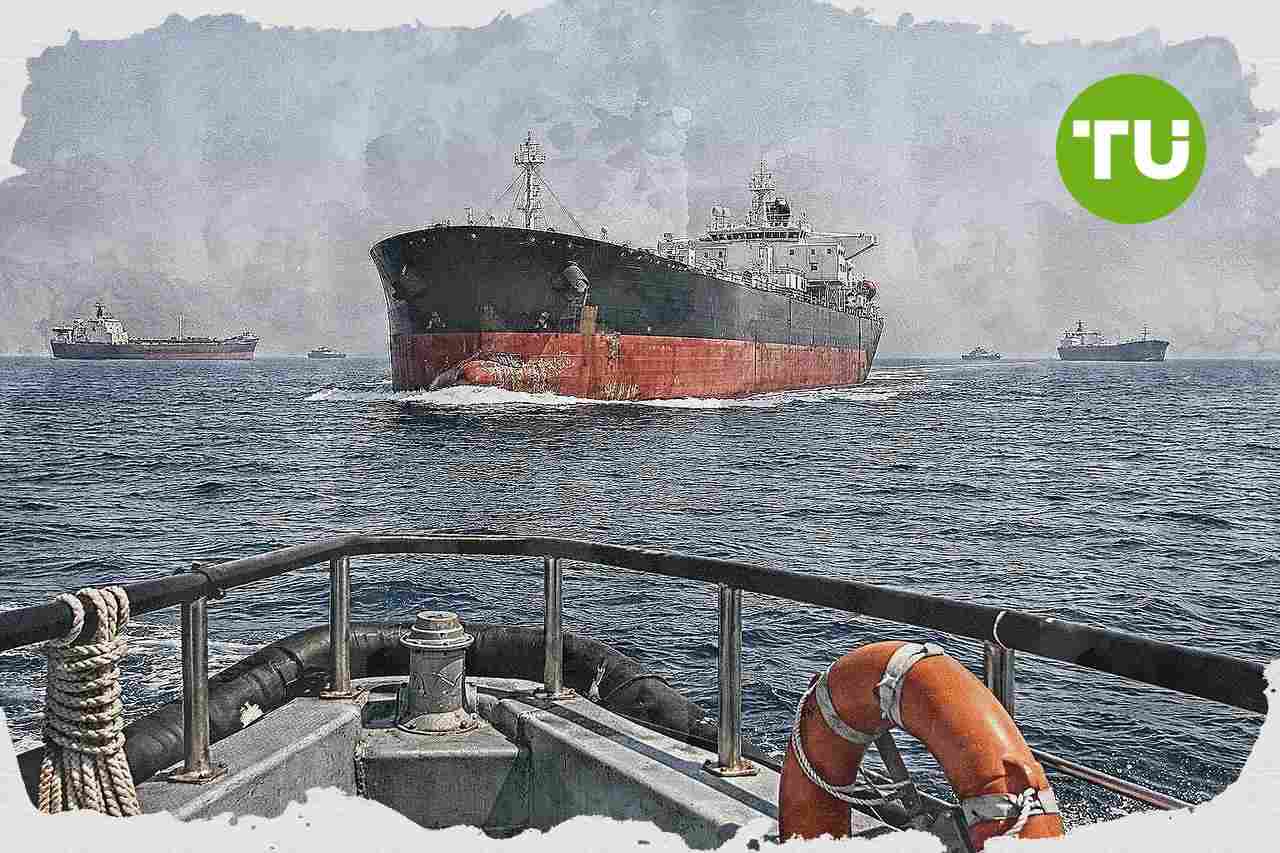
After weeks of diplomatic exchanges, Washington and Tehran announce a 60-day extension of the April 8 ceasefire, offering a chance to curb a conflict that has disrupted the Middle East and global energy flows. The arrangement also points to a reopening of the Strait of Hormuz, although major issues, including Iran's nuclear programme and the risk of renewed attacks, remain unresolved.
Highlights
- The U.S.-Iran agreement extends the ceasefire 60 days, reopens the Strait of Hormuz, and lifts the U.S. naval blockade, easing immediate energy and security risks.
- Ceasefire opponents include U.S. hawks, Iranian hardliners, and Israeli Prime Minister Netanyahu, while potential sanctions relief remains tied to nuclear negotiation progress.
- Stability depends on President Donald Trump's ability to restrain further Israeli military action, as exemplified by last week's Israeli strike on Beirut following drone activity.
Ceasefire framework and immediate market effects
As reported by Financial Times, the agreement between the U.S. and Iran extends the existing truce for 60 days while negotiators seek to address the most difficult questions, including the future of Tehran's nuclear activities. The deal is not presented as a final settlement, and both sides are expected to shape competing narratives before the scheduled signing on Friday.A reopening of the Strait of Hormuz would ease pressure on global energy supplies after the waterway's closure during the conflict. The U.S. is also set to lift its naval blockade, while Gulf states, which were drawn into the regional fallout despite warning against escalation, stand to benefit from lower immediate security and supply risks.
The arrangement is also meant to silence fighting across multiple fronts in a war that has killed more than 7,000 people. That toll includes nearly 4,000 deaths from Israeli strikes in Lebanon, where Israel and Hizbollah have been engaged in sustained fighting.
Pressure on Israel and wider regional implications
The deal faces opposition from U.S. hawks, Iranian hardliners and Israeli Prime Minister Benjamin Netanyahu, who is described as wanting to continue the campaign. Yet the pause serves the interests of both Washington and Tehran, as Iran absorbs heavy damage but avoids capitulation, while any future sanctions relief remains tied to progress in nuclear negotiations.For the ceasefire to hold, the key political test is whether President Donald Trump restrains Netanyahu and prevents further military action that could derail the process. The text points to an Israeli strike on Beirut last week, after drones were fired towards Israel, as an example of how quickly the agreement can come under threat.
More broadly, the conflict reinforces the limits of military force as a standalone strategy in the region. While Israel has weakened some adversaries on the battlefield, the longer-term containment of Iran and its proxies still depends on wider diplomatic arrangements, including a durable Lebanon ceasefire and closer coordination with regional partners.
In our earlier article on the Wall Street rally after the U.S.–Iran deal, we noted that the reopening of the Strait of Hormuz helped push oil prices sharply lower and eased immediate inflation fears. We also explained how cheaper energy can support consumer spending and transport activity, encouraging a broader market rotation beyond large technology stocks.


Latest Israel News






-
 Afghanistan
-
 Albania
-
 Algeria
-
 Angola
-
 Argentina
-
 Armenia
-
 Australia
-
 Austria
-
 Azerbaijan
-
 Bahamas
-
 Bahrain
-
 Bangladesh
-
 Belarus
-
 Belgium
-
 Bolivia
-
 Botswana
-
 Brazil
-
 Brunei
-
 Bulgaria
-
 Cambodia
-
 Cameroon
-
 Canada
-
 Chile
Chile
-
 China
China
-
 Colombia
-
 Congo
Congo
-
 Costa Rica
-
 Cote d'Ivoire
-
 Croatia
-
 Cuba
Cuba
-
 Cyprus
-
 Czechia
-
 DR Congo
-
 Denmark
-
 Dominican Republic
-
 Ecuador
-
 Egypt
Egypt
-
 El Salvador
-
 Estonia
-
 Eswatini
-
 Ethiopia
-
 Finland
-
 France
-
 Georgia
-
 Germany
-
 Ghana
Ghana
-
 Greece
-
 Haiti
Haiti
-
 Hong Kong
-
 Hungary
-
 India
India
-
 Indonesia
-
 Iran, Islamic republic
-
 Iraq
Iraq
-
 Ireland
-
 Israel
-
 Italy
Italy
-
 Jamaica
-
 Japan
Japan
-
 Jordan
-
 Kazakhstan
-
 Kenya
Kenya
-
 Korea
Korea
-
 Kuwait
-
 Kyrgyzstan
-
 Laos
Laos
-
 Latvia
-
 Lebanon
-
 Lesotho
-
 Libya
Libya
-
 Lithuania
-
 Luxembourg
-
 Madagascar
-
 Malaysia
-
 Malta
Malta
-
 Mauritius
-
 Mexico
-
 Moldova
-
 Mongolia
-
 Montenegro
-
 Morocco
-
 Mozambique
-
 Myanmar
-
 Namibia
-
 Nepal
Nepal
-
 Netherlands
-
 New Zealand
-
 Nigeria
-
 North Macedonia
-
 Norway
-
 Oman
Oman
-
 Pakistan
-
 Palestine
-
 Panama
-
 Papua New Guinea
-
 Paraguay
-
 Peru
Peru
-
 Philippines
-
 Poland
-
 Portugal
-
 Puerto Rico
-
 Qatar
Qatar
-
 Reunion
-
 Romania
-
 Rwanda
-
 Saudi Arabia
-
 Serbia
-
 Singapore
-
 Slovakia
-
 Slovenia
-
 Somalia
-
 South Africa
-
 Spain
Spain
-
 Sri Lanka
-
 Sweden
-
 Switzerland
-
 Syria
Syria
-
 Taiwan
-
 Tajikistan
-
 Tanzania
-
 Thailand
-
 Trinidad and Tobago
-
 Tunisia
-
 Turkey
-
 UAE
UAE
-
 Uganda
-
 Ukraine
-
 United Kingdom
-
United States
-
 Uruguay
-
 Uzbekistan
-
 Venezuela
-
 Vietnam
-
 Yemen
Yemen
-
 Zambia
-
 Zimbabwe
- Forex
- Crypto











