
Tokyo and Detroit auto shops face prolonged supply strain despite potential U.S.-Iran deal
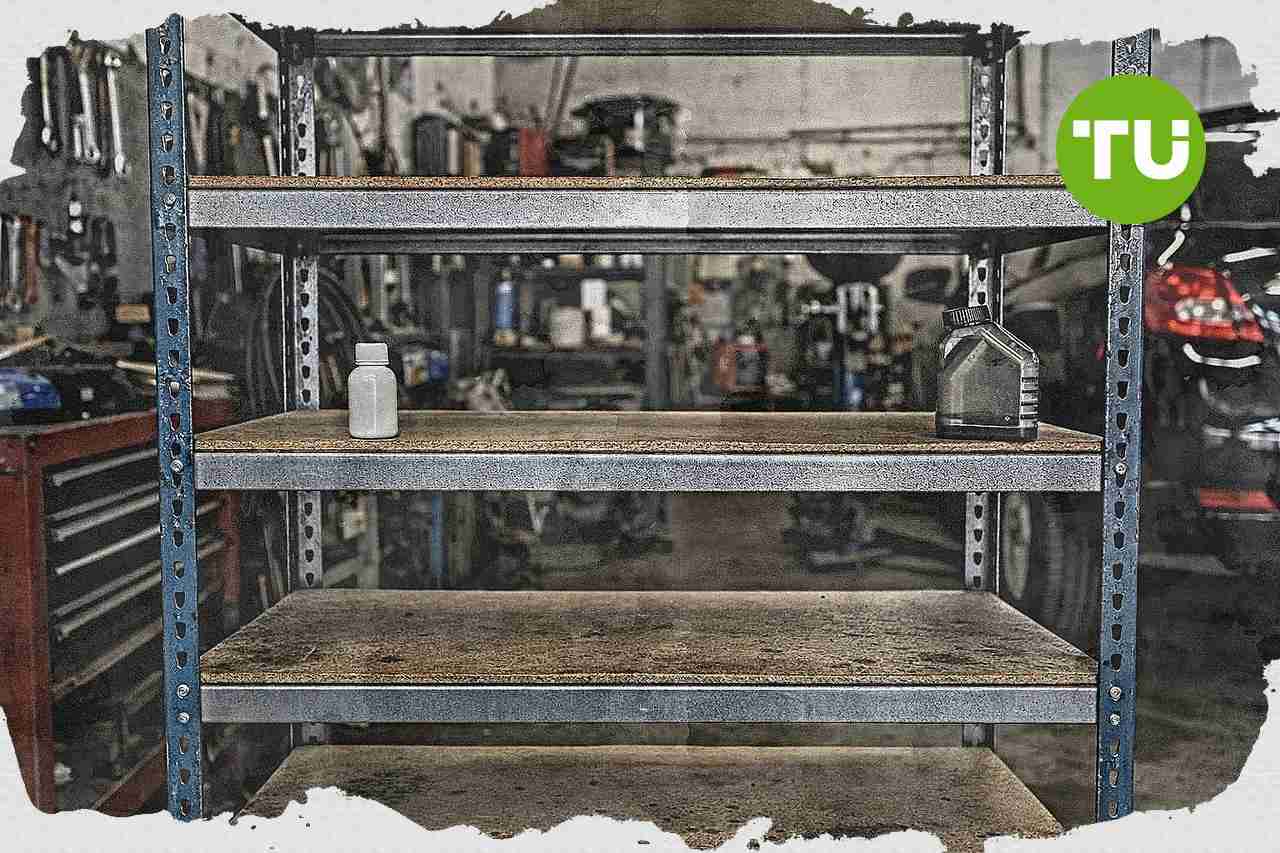
Auto repair shops in Tokyo and car dealerships in Detroit have been dealing with shortages of motor oil, paint and other petroleum-based products for months as the Middle East conflict disrupts supply chains. A preliminary agreement between the U.S. and Iran may help end the fighting, but executives and industry experts say supply relief for smaller businesses is unlikely to come quickly.
Highlights
- Closure of the Strait of Hormuz since March has wiped out motor oil deliveries to Tokyo auto repair shops, with paint thinner and diesel exhaust fluid also in short supply.
- Attack on Shell's Qatar gas-to-liquids plant in March constrains Group III base oil, driving U.S. lubricant prices higher and forcing Nissan to ration oil at U.S. dealerships as of May 20.
- Smaller Japanese and U.S. auto repair shops face more severe material shortages than larger players, as manufacturers prioritize automakers and larger buyers stockpile critical supplies.
Supply disruptions hit repair materials
As reported by Reuters, the closure of the Strait of Hormuz during the conflict blocks nearly a fifth of global oil flows and creates bottlenecks for petroleum-derived products used by auto repair shops and dealerships. Although U.S. President Donald Trump says on Monday that both countries sign a preliminary agreement to end the war, details remain unclear and shipments through the strait may still take time to normalize.Hiroyuki Nakamura, a director at Tokyo-based auto repair company Shin Etsu Denso, says motor oil supplies are almost completely wiped out after the war begins in March, with no new deliveries arriving since April. He also says shortages of paint thinner and diesel exhaust fluid are hurting business.
At suburban Tokyo repair shop Fuchu Car, supplies of white paint and the pearl finish used for one of Japan's most popular car colors become especially tight, even while other colors remain available. President Masato Yagai says the shop recently secures its first 300-ml bottle of pearl finish in about two weeks, roughly the amount it uses over that period, and warns that if stocks run out he may have to skip repainting on some repair jobs to avoid turning customers away.
Strict storage regulations for materials such as motor oil also make it difficult for companies to build large inventories. Suzuki Motor says last month that some dealers temporarily stop accepting new bookings for engine and brake oil changes because of supply delays.
Price pressure and uneven market impact
In the U.S., the conflict disrupts supplies of raw materials used in coatings and lubricants, contributing to higher lubricant prices that are not expected to ease until at least mid-2027, according to the Independent Lubricant Manufacturers Association. The pressure intensifies after a Shell gas-to-liquids facility in Qatar comes under attack in March, constraining a major Middle East source of Group III base oil used in synthetic vehicle oil.Holly Alfano, chief executive of the lubricant association, says the industry recognizes immediately that the attack on the Shell facility creates a major problem. Nissan Motor begins implementing oil-rationing measures at its U.S. dealerships, according to a memo sent to dealers on May 20, while a company spokesperson says Nissan is working with suppliers to find additional sourcing.
A spokeswoman for the National Automobile Dealers Association says U.S. car dealers are concerned about dwindling synthetic oil supplies. In Japan, Prime Minister Sanae Takaichi says the government is boosting supplies of raw materials used in paints and thinners, while the transport ministry begins a nationwide survey of repair shops on inventories, delivery frequency, price changes and shortage risks, according to the Automobile Business & Culture Association of Japan.
Smaller businesses appear to be absorbing more of the disruption than larger players. Analysts say major paint makers likely prioritize automakers over the repair market, and UBS analyst Shunta Omura says some customers place unusually large orders after the conflict begins, even though large paint companies decline such requests.
Kansai Paint's repair paint division says white paint and pearl liquid are usually produced near full capacity, limiting the company's ability to raise output when demand jumps. While a Japanese trade ministry official says overall supply is holding up and Kansai says some earlier tightness has now returned to normal, industry participants say stockpiling by larger buyers leaves smaller repair shops at a disadvantage.
In our earlier coverage of the U.S.–Iran ceasefire extension, we explained that Washington and Tehran agreed to prolong the truce for 60 days and move toward reopening the Strait of Hormuz, alongside steps such as lifting the U.S. naval blockade. We also noted that while a reopening could quickly ease pressure on global energy supplies, the deal remained fragile due to unresolved nuclear issues and the risk of renewed attacks that could derail the process.


Latest American Tower News







-
 Afghanistan
-
 Albania
-
 Algeria
-
 Angola
-
 Argentina
-
 Armenia
-
 Australia
-
 Austria
-
 Azerbaijan
-
 Bahamas
-
 Bahrain
-
 Bangladesh
-
 Belarus
-
 Belgium
-
 Bolivia
-
 Botswana
-
 Brazil
-
 Brunei
-
 Bulgaria
-
 Cambodia
-
 Cameroon
-
 Canada
-
 Chile
Chile
-
 China
China
-
 Colombia
-
 Congo
Congo
-
 Costa Rica
-
 Cote d'Ivoire
-
 Croatia
-
 Cuba
Cuba
-
 Cyprus
-
 Czechia
-
 DR Congo
-
 Denmark
-
 Dominican Republic
-
 Ecuador
-
 Egypt
Egypt
-
 El Salvador
-
 Estonia
-
 Eswatini
-
 Ethiopia
-
 Finland
-
 France
-
 Georgia
-
 Germany
-
 Ghana
Ghana
-
 Greece
-
 Haiti
Haiti
-
 Hong Kong
-
 Hungary
-
 India
India
-
 Indonesia
-
 Iran, Islamic republic
-
 Iraq
Iraq
-
 Ireland
-
 Israel
-
 Italy
Italy
-
 Jamaica
-
 Japan
Japan
-
 Jordan
-
 Kazakhstan
-
 Kenya
Kenya
-
 Korea
Korea
-
 Kuwait
-
 Kyrgyzstan
-
 Laos
Laos
-
 Latvia
-
 Lebanon
-
 Lesotho
-
 Libya
Libya
-
 Lithuania
-
 Luxembourg
-
 Madagascar
-
 Malaysia
-
 Malta
Malta
-
 Mauritius
-
 Mexico
-
 Moldova
-
 Mongolia
-
 Montenegro
-
 Morocco
-
 Mozambique
-
 Myanmar
-
 Namibia
-
 Nepal
Nepal
-
 Netherlands
-
 New Zealand
-
 Nigeria
-
 North Macedonia
-
 Norway
-
 Oman
Oman
-
 Pakistan
-
 Palestine
-
 Panama
-
 Papua New Guinea
-
 Paraguay
-
 Peru
Peru
-
 Philippines
-
 Poland
-
 Portugal
-
 Puerto Rico
-
 Qatar
Qatar
-
 Reunion
-
 Romania
-
 Rwanda
-
 Saudi Arabia
-
 Serbia
-
 Singapore
-
 Slovakia
-
 Slovenia
-
 Somalia
-
 South Africa
-
 Spain
Spain
-
 Sri Lanka
-
 Sweden
-
 Switzerland
-
 Syria
Syria
-
 Taiwan
-
 Tajikistan
-
 Tanzania
-
 Thailand
-
 Trinidad and Tobago
-
 Tunisia
-
 Turkey
-
 UAE
UAE
-
 Uganda
-
 Ukraine
-
 United Kingdom
-
United States
-
 Uruguay
-
 Uzbekistan
-
 Venezuela
-
 Vietnam
-
 Yemen
Yemen
-
 Zambia
-
 Zimbabwe
- Forex
- Crypto











