
U.S. senators press Trump to end Russian oil sanctions waiver
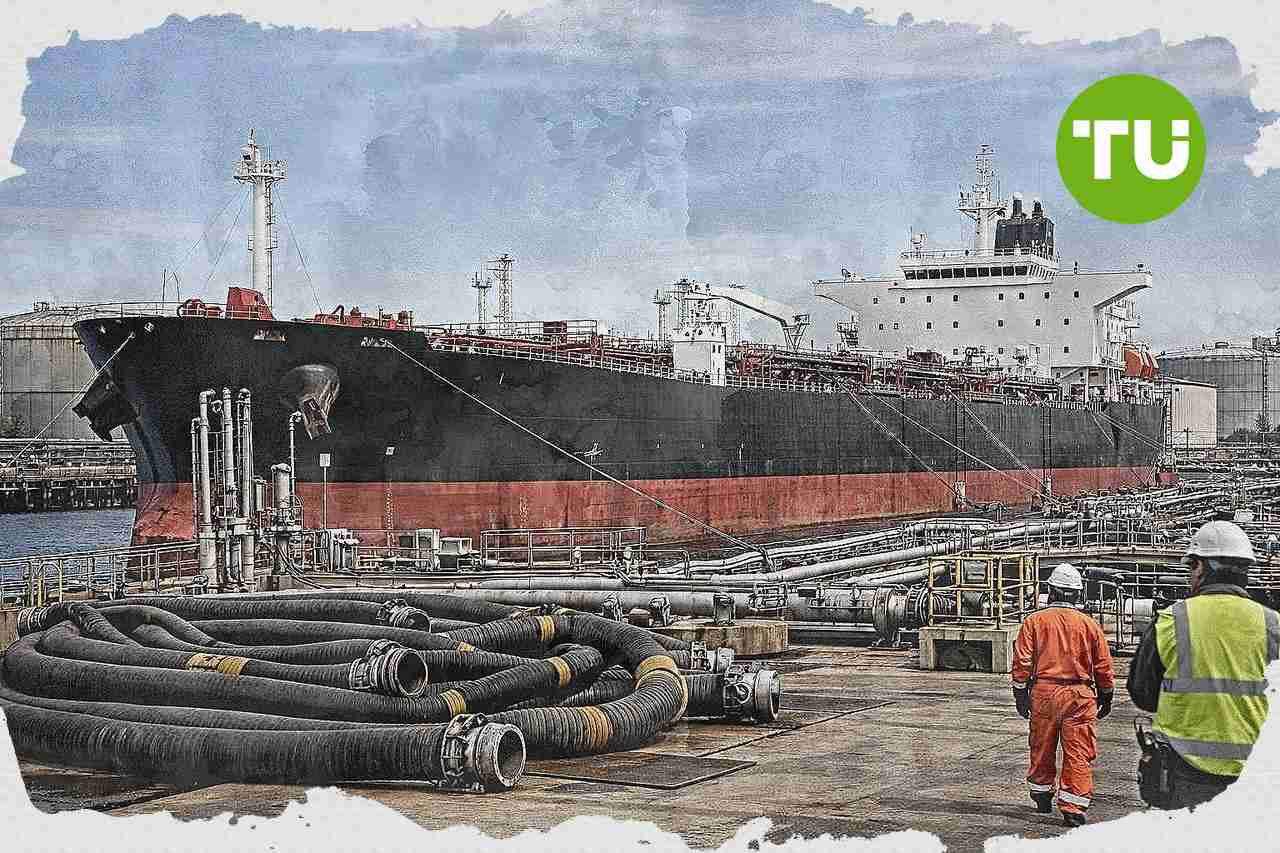
With a U.S. sanctions waiver tied to Russian oil set to expire on June 17, two senior Democratic senators are urging President Trump not to renew the measure. They argue that another extension would bolster Kremlin revenues, undermine pressure on Moscow and conflict with the administration's stated rationale for temporary relief.
Highlights
- Senators Elizabeth Warren and Jeanne Shaheen urge the Trump administration not to renew General License 134C, set to expire June 17, 2026, arguing it enables Russian oil sales.
- They assert that extending the waiver would contradict President Trump's recent remarks, weaken U.S. diplomatic leverage, and signal reluctance to increase pressure on Moscow.
- The senators claim waivers have benefited Russia more than U.S. consumers, linking the policy to ongoing inflation and Russia's ability to finance its military campaign in Ukraine.
Waiver deadline and senators' appeal
As reported by the Senate Committee on Banking, Housing, and Urban Affairs, U.S. Senators Elizabeth Warren, ranking member of the Senate Banking, Housing, and Urban Affairs Committee, and Jeanne Shaheen, ranking member of the Senate Foreign Relations Committee, say the Trump administration should allow General License 134C to lapse when it expires on June 17, 2026.In their statement, the senators say renewing the license would let Russia continue oil sales and give President Vladimir Putin another chance to secure financial gains while the war in Ukraine continues. They also say an extension would contradict Trump's remarks earlier in the day and weaken the case that the waiver is needed to limit energy market disruption linked to the conflict with Iran.
The senators add that U.S. consumers have still faced higher fuel and grocery costs since that conflict began, arguing the relief effort has not delivered the intended benefit. They say any new extension would signal either doubts inside the administration about its own diplomatic position or an unwillingness to increase pressure on Moscow.
Energy and geopolitical implications
Warren and Shaheen frame the waiver decision as both a sanctions policy test and a broader signal to allies about Washington's approach to the war in Ukraine. They say each additional dollar earned through the license helps finance Russia's military campaign and delays the prospect of a just and lasting peace.The statement also links the issue to U.S. energy and inflation concerns, with the senators contending that repeated waivers have aided Russia more than American households. By calling for the relief to end now, they are pressing the administration to shift from temporary market management toward tighter economic pressure on Moscow.
Our earlier coverage of U.S. fiscal updates highlighted that the federal government posted a $292.6 billion deficit in May and a cumulative $1.246 trillion shortfall for FY2026 through May, with spending still far outpacing revenue. We also noted that long-term budget strains are colliding with entitlement challenges, including projections that the Social Security trust fund could be depleted around 2033—underscoring how major policy decisions increasingly compete against a tight and deteriorating fiscal backdrop.


Latest Sanctions News






-
 Afghanistan
-
 Albania
-
 Algeria
-
 Angola
-
 Argentina
-
 Armenia
-
 Australia
-
 Austria
-
 Azerbaijan
-
 Bahamas
-
 Bahrain
-
 Bangladesh
-
 Belarus
-
 Belgium
-
 Bolivia
-
 Botswana
-
 Brazil
-
 Brunei
-
 Bulgaria
-
 Cambodia
-
 Cameroon
-
 Canada
-
 Chile
Chile
-
 China
China
-
 Colombia
-
 Congo
Congo
-
 Costa Rica
-
 Cote d'Ivoire
-
 Croatia
-
 Cuba
Cuba
-
 Cyprus
-
 Czechia
-
 DR Congo
-
 Denmark
-
 Dominican Republic
-
 Ecuador
-
 Egypt
Egypt
-
 El Salvador
-
 Estonia
-
 Eswatini
-
 Ethiopia
-
 Finland
-
 France
-
 Georgia
-
 Germany
-
 Ghana
Ghana
-
 Greece
-
 Haiti
Haiti
-
 Hong Kong
-
 Hungary
-
 India
India
-
 Indonesia
-
 Iran, Islamic republic
-
 Iraq
Iraq
-
 Ireland
-
 Israel
-
 Italy
Italy
-
 Jamaica
-
 Japan
Japan
-
 Jordan
-
 Kazakhstan
-
 Kenya
Kenya
-
 Korea
Korea
-
 Kuwait
-
 Kyrgyzstan
-
 Laos
Laos
-
 Latvia
-
 Lebanon
-
 Lesotho
-
 Libya
Libya
-
 Lithuania
-
 Luxembourg
-
 Madagascar
-
 Malaysia
-
 Malta
Malta
-
 Mauritius
-
 Mexico
-
 Moldova
-
 Mongolia
-
 Montenegro
-
 Morocco
-
 Mozambique
-
 Myanmar
-
 Namibia
-
 Nepal
Nepal
-
 Netherlands
-
 New Zealand
-
 Nigeria
-
 North Macedonia
-
 Norway
-
 Oman
Oman
-
 Pakistan
-
 Palestine
-
 Panama
-
 Papua New Guinea
-
 Paraguay
-
 Peru
Peru
-
 Philippines
-
 Poland
-
 Portugal
-
 Puerto Rico
-
 Qatar
Qatar
-
 Reunion
-
 Romania
-
 Rwanda
-
 Saudi Arabia
-
 Serbia
-
 Singapore
-
 Slovakia
-
 Slovenia
-
 Somalia
-
 South Africa
-
 Spain
Spain
-
 Sri Lanka
-
 Sweden
-
 Switzerland
-
 Syria
Syria
-
 Taiwan
-
 Tajikistan
-
 Tanzania
-
 Thailand
-
 Trinidad and Tobago
-
 Tunisia
-
 Turkey
-
 UAE
UAE
-
 Uganda
-
 Ukraine
-
 United Kingdom
-
United States
-
 Uruguay
-
 Uzbekistan
-
 Venezuela
-
 Vietnam
-
 Yemen
Yemen
-
 Zambia
-
 Zimbabwe
- Forex
- Crypto











