
EU leaders weigh tougher China trade curbs as deficit and supply dependence deepen
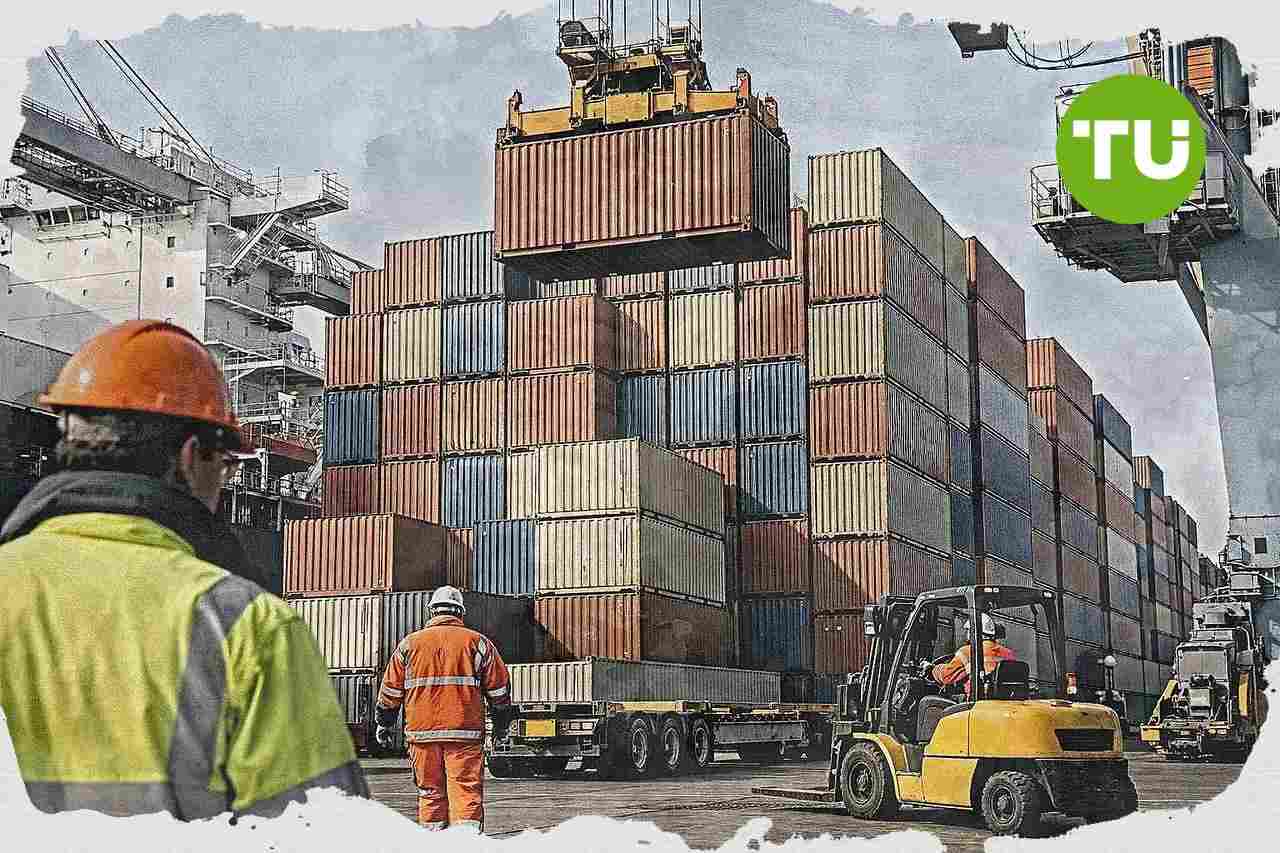
European Union leaders meet in Brussels on Thursday to assess whether the bloc needs stronger trade tools to address a widening imbalance with China and heavy dependence on Chinese critical supplies. The debate comes as access to the U.S. market weakens under transatlantic tariff pressure, adding urgency to calls for a broader diversification strategy.
Highlights
- EU's goods trade deficit with China rises to 1 billion euros per day and China's surplus hits 360.6 billion euros in 2025, up 15% from 2024.
- China imposes rare earth export restrictions in April 2025, intensifying EU concerns over supply chain vulnerabilities and prompting calls for stronger trade defence measures.
- EU plans a broad review of trade defences in Q3 2025, considers new tools targeting Chinese overcapacity and may require three alternative suppliers in sensitive sectors.
Summit focus on trade tools and supply risks
As reported by Reuters, EU diplomats say the 27 member states are gradually converging on the view that the bloc's goods trade deficit with China has become a strategic problem. That deficit now amounts to about 1 billion euros per day, while China also retains strong leverage over processing of rare earths and other critical minerals.China's goods trade surplus with the EU reaches 360.6 billion euros in 2025, up 15% from 2024, and expands by 10% in the first four months of this year as Chinese companies sell more into the EU and import less. Beijing also imposes export restrictions on rare earths in April 2025, a move tied to tariffs introduced by U.S. President Donald Trump that also affects EU companies.
EU leaders at the Brussels summit are expected to agree that the bloc needs to go further in reducing these vulnerabilities. Diplomats say they are likely to ask the European Commission, which oversees EU trade policy, to engage with China while also strengthening the bloc's trade defence framework.
Divisions inside the bloc and likely policy response
Member states remain less aligned on how far the EU should go. France supports a tougher approach, while Germany, the bloc's biggest exporter, and Spain, which is attracting increasing Chinese investment, are more cautious about escalating trade measures.The divide becomes visible last month when France, Italy, the Netherlands and Lithuania say in a joint paper that the EU should examine a new instrument to limit over-reliance on single foreign countries, potentially through added duties or quotas to protect domestic producers. Spain is initially listed as a signatory but later distances itself from the paper publicly.
EU trade defences are already heavily directed at China, with 18 of 21 new anti-dumping and anti-subsidy investigations targeting Chinese producers. The bloc has also imposed extra duties on electric vehicles made in China since 2024, prompting Chinese retaliation against EU dairy products and brandy.
Critics argue the EU needs faster investigations, better case prioritisation and broader measures because Chinese producers can often work around tariffs. The Commission says imports of Chinese electric vehicles fall after the tariffs, but producers shift more shipments into hybrid vehicles instead, and EV imports rebound in the first quarter of this year.
The Commission is due to carry out a broad review of trade defences in the third quarter and is considering new tools to address overcapacity and dependence on single suppliers, notably China. In sensitive sectors, EU companies may be required to identify three possible sources of supply.
Our earlier article on pressure from China on Europe’s auto industry explained how weakening demand in China and intensifying domestic EV competition are squeezing European carmakers’ sales and profits, while low-cost Chinese EVs expand their footprint in Europe. It also noted that with European plants running below capacity, the combination of rising imports, overproduction risks and potential policy countermeasures is pushing the EU and manufacturers to consider stronger protective tools and new forms of adaptation.







-
 Afghanistan
-
 Albania
-
 Algeria
-
 Angola
-
 Argentina
-
 Armenia
-
 Australia
-
 Austria
-
 Azerbaijan
-
 Bahamas
-
 Bahrain
-
 Bangladesh
-
 Belarus
-
 Belgium
-
 Bolivia
-
 Botswana
-
 Brazil
-
 Brunei
-
 Bulgaria
-
 Cambodia
-
 Cameroon
-
 Canada
-
 Chile
Chile
-
 China
China
-
 Colombia
-
 Congo
Congo
-
 Costa Rica
-
 Cote d'Ivoire
-
 Croatia
-
 Cuba
Cuba
-
 Cyprus
-
 Czechia
-
 DR Congo
-
 Denmark
-
 Dominican Republic
-
 Ecuador
-
 Egypt
Egypt
-
 El Salvador
-
 Estonia
-
 Eswatini
-
 Ethiopia
-
 Finland
-
 France
-
 Georgia
-
 Germany
-
 Ghana
Ghana
-
 Greece
-
 Haiti
Haiti
-
 Hong Kong
-
 Hungary
-
 India
India
-
 Indonesia
-
 Iran, Islamic republic
-
 Iraq
Iraq
-
 Ireland
-
 Israel
-
 Italy
Italy
-
 Jamaica
-
 Japan
Japan
-
 Jordan
-
 Kazakhstan
-
 Kenya
Kenya
-
 Korea
Korea
-
 Kuwait
-
 Kyrgyzstan
-
 Laos
Laos
-
 Latvia
-
 Lebanon
-
 Lesotho
-
 Libya
Libya
-
 Lithuania
-
 Luxembourg
-
 Madagascar
-
 Malaysia
-
 Malta
Malta
-
 Mauritius
-
 Mexico
-
 Moldova
-
 Mongolia
-
 Montenegro
-
 Morocco
-
 Mozambique
-
 Myanmar
-
 Namibia
-
 Nepal
Nepal
-
 Netherlands
-
 New Zealand
-
 Nigeria
-
 North Macedonia
-
 Norway
-
 Oman
Oman
-
 Pakistan
-
 Palestine
-
 Panama
-
 Papua New Guinea
-
 Paraguay
-
 Peru
Peru
-
 Philippines
-
 Poland
-
 Portugal
-
 Puerto Rico
-
 Qatar
Qatar
-
 Reunion
-
 Romania
-
 Rwanda
-
 Saudi Arabia
-
 Serbia
-
 Singapore
-
 Slovakia
-
 Slovenia
-
 Somalia
-
 South Africa
-
 Spain
Spain
-
 Sri Lanka
-
 Sweden
-
 Switzerland
-
 Syria
Syria
-
 Taiwan
-
 Tajikistan
-
 Tanzania
-
 Thailand
-
 Trinidad and Tobago
-
 Tunisia
-
 Turkey
-
 UAE
UAE
-
 Uganda
-
 Ukraine
-
 United Kingdom
-
United States
-
 Uruguay
-
 Uzbekistan
-
 Venezuela
-
 Vietnam
-
 Yemen
Yemen
-
 Zambia
-
 Zimbabwe
- Forex
- Crypto












