
U.S.-Iran interim deal sets terms to reopen Strait of Hormuz
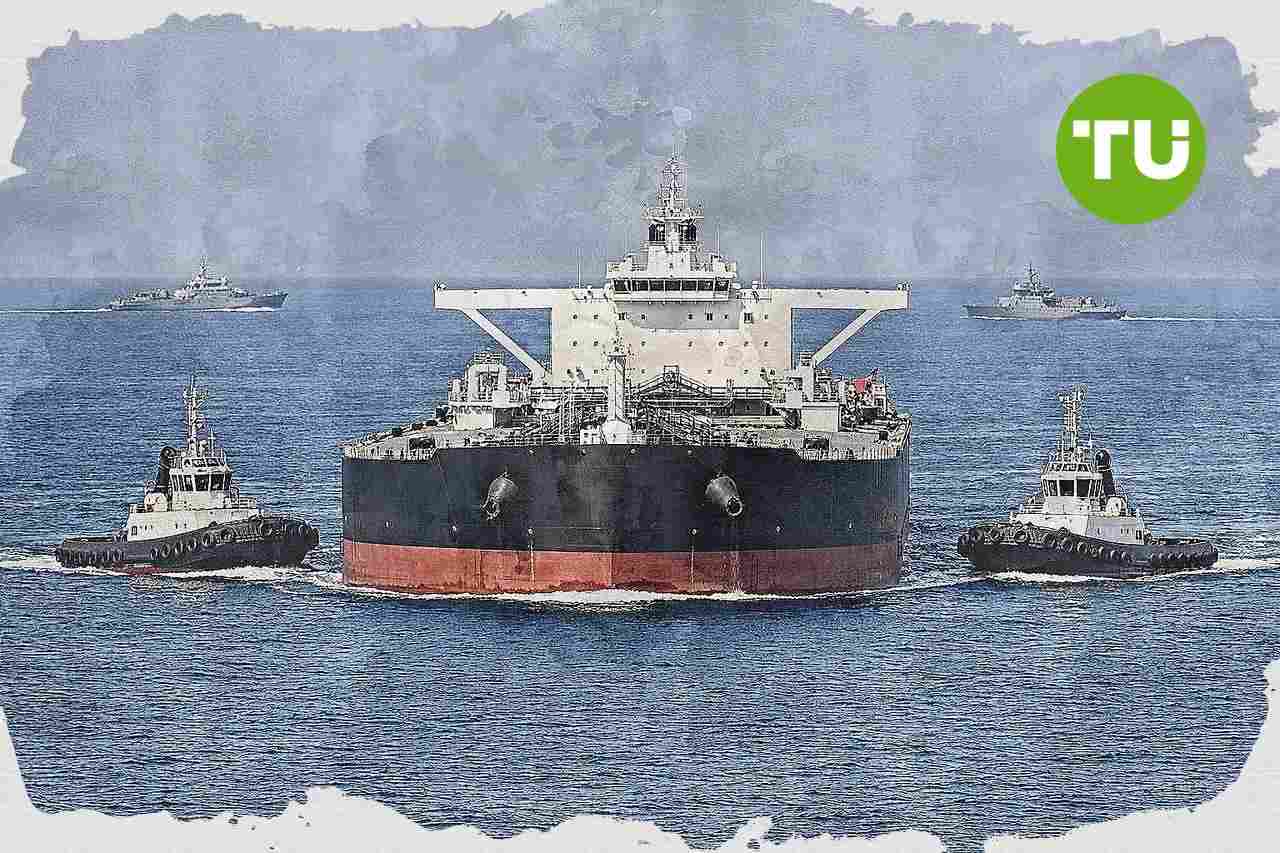
After four months of war and mounting pressure on shipping and regional security, Washington and Tehran are signing an interim agreement that extends their ceasefire and outlines a path toward broader nuclear talks. The framework includes potential sanctions relief, access to frozen Iranian funds and a proposed $300bn reconstruction and economic development fund tied to a final settlement.
Highlights
- The U.S. and Iran signed a memorandum extending their ceasefire, promising to lift all sanctions and potentially establish a $300bn regional fund for Iran's reconstruction.
- The interim agreement mandates dilution of Iran's enriched uranium stockpile under International Atomic Energy Agency supervision and allows Iran to retain some ballistic missiles.
- Market scrutiny arises over unresolved questions regarding Tehran's concessions and the deal's costs, including billions in conflict-related spending and strained U.S. alliances.
Ceasefire extension and sanctions framework
As reported by Financial Times, the U.S. and Iran have electronically signed a memorandum of understanding that extends their ceasefire and sets out concessions aimed at reopening the Strait of Hormuz. U.S. President Donald Trump signs the document in Versailles, France, on Wednesday after saying Washington will release frozen Iranian funds and lift sanctions "as soon as they behave."The interim arrangement states that the U.S. would terminate all types of sanctions on Iran, including UN Security Council resolutions, according to the memorandum. It also says Washington would work with regional partners to establish a $300bn fund for Iran's reconstruction and economic development, although that support remains contingent on a final agreement.
Earlier on Wednesday, Trump plays down suggestions that the U.S. itself would invest in the fund. A person briefed on the talks says the vehicle is designed for companies that want to invest in Iran.
Nuclear terms and wider strategic impact
The deal lays out a framework for nuclear negotiations, with both sides saying they will find a mutually agreed mechanism to handle Iran's enriched uranium. The memorandum sets a minimum requirement for dilution of the stockpile on site under supervision of the International Atomic Energy Agency, while Trump says he will allow Iran to keep some of its ballistic missiles.The proposed terms are already drawing scrutiny over whether Tehran's concessions justify the costs of the conflict, including billions of dollars in spending, pressure on U.S. weapons stocks and friction with allies. Former U.S. president Barack Obama recently tells ABC that it is doubtful any new agreement will be significantly different from, or an improvement on, the 2015 deal.
Our earlier coverage of the U.S.–Iran interim agreement highlighted how the deal to reopen the Strait of Hormuz shifted oil markets from fearing supply disruption to anticipating a return of Iranian exports and steadier Gulf shipping flows. We also noted that implementation risks and unresolved issues—especially nuclear and regional security questions—kept traders cautious despite the initial relief.


Latest General Dynamics Corporation News





-
 Afghanistan
-
 Albania
-
 Algeria
-
 Angola
-
 Argentina
-
 Armenia
-
 Australia
-
 Austria
-
 Azerbaijan
-
 Bahamas
-
 Bahrain
-
 Bangladesh
-
 Belarus
-
 Belgium
-
 Bolivia
-
 Botswana
-
 Brazil
-
 Brunei
-
 Bulgaria
-
 Cambodia
-
 Cameroon
-
 Canada
-
 Chile
Chile
-
 China
China
-
 Colombia
-
 Congo
Congo
-
 Costa Rica
-
 Cote d'Ivoire
-
 Croatia
-
 Cuba
Cuba
-
 Cyprus
-
 Czechia
-
 DR Congo
-
 Denmark
-
 Dominican Republic
-
 Ecuador
-
 Egypt
Egypt
-
 El Salvador
-
 Estonia
-
 Eswatini
-
 Ethiopia
-
 Finland
-
 France
-
 Georgia
-
 Germany
-
 Ghana
Ghana
-
 Greece
-
 Haiti
Haiti
-
 Hong Kong
-
 Hungary
-
 India
India
-
 Indonesia
-
 Iran, Islamic republic
-
 Iraq
Iraq
-
 Ireland
-
 Israel
-
 Italy
Italy
-
 Jamaica
-
 Japan
Japan
-
 Jordan
-
 Kazakhstan
-
 Kenya
Kenya
-
 Korea
Korea
-
 Kuwait
-
 Kyrgyzstan
-
 Laos
Laos
-
 Latvia
-
 Lebanon
-
 Lesotho
-
 Libya
Libya
-
 Lithuania
-
 Luxembourg
-
 Madagascar
-
 Malaysia
-
 Malta
Malta
-
 Mauritius
-
 Mexico
-
 Moldova
-
 Mongolia
-
 Montenegro
-
 Morocco
-
 Mozambique
-
 Myanmar
-
 Namibia
-
 Nepal
Nepal
-
 Netherlands
-
 New Zealand
-
 Nigeria
-
 North Macedonia
-
 Norway
-
 Oman
Oman
-
 Pakistan
-
 Palestine
-
 Panama
-
 Papua New Guinea
-
 Paraguay
-
 Peru
Peru
-
 Philippines
-
 Poland
-
 Portugal
-
 Puerto Rico
-
 Qatar
Qatar
-
 Reunion
-
 Romania
-
 Rwanda
-
 Saudi Arabia
-
 Serbia
-
 Singapore
-
 Slovakia
-
 Slovenia
-
 Somalia
-
 South Africa
-
 Spain
Spain
-
 Sri Lanka
-
 Sweden
-
 Switzerland
-
 Syria
Syria
-
 Taiwan
-
 Tajikistan
-
 Tanzania
-
 Thailand
-
 Trinidad and Tobago
-
 Tunisia
-
 Turkey
-
 UAE
UAE
-
 Uganda
-
 Ukraine
-
 United Kingdom
-
United States
-
 Uruguay
-
 Uzbekistan
-
 Venezuela
-
 Vietnam
-
 Yemen
Yemen
-
 Zambia
-
 Zimbabwe
- Forex
- Crypto











