
House Republicans eye prediction market bet ban for Congress
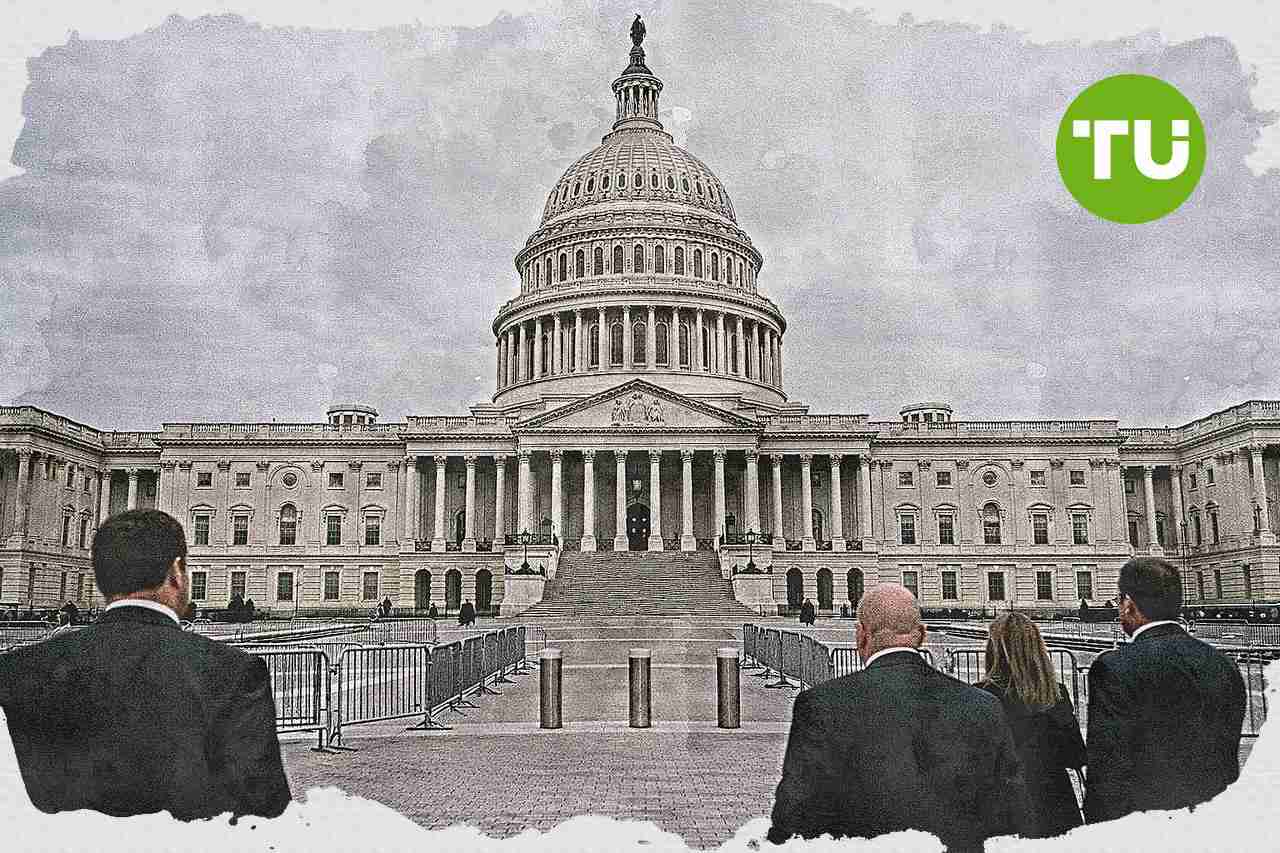
Congress is weighing tighter ethics limits as prediction markets draw more attention in Washington. A new proposal would bar lawmakers and their families from betting on policy, politics and elections, while allowing wagers on nonpolitical events such as sports.
Highlights
- Republican Representative Bryan Steil plans to introduce a provision banning congressional prediction market betting, as part of a broader stock-trading ban bill.
- The measure imposes fees of $2,000 or 10% of the transaction value, plus gains, on lawmakers betting with insider knowledge.
- The House bill faces Senate approval challenges, especially with the betting restrictions and lacking Democratic support for the broader stock-trading ban.
Proposal tied to broader trading restrictions
As reported by CNBC, Republican Representative Bryan Steil of Wisconsin is set to add the provision to a pending bill that would also ban members of Congress from buying new shares of individual stocks, except shares purchased with dividends from existing holdings.The measure would require lawmakers who place bets on events where they hold insider knowledge to pay a fee of $2,000 or 10% of the transaction value, whichever is greater, along with any gains. House Speaker Mike Johnson and President Donald Trump support the broader stock-trading bill.
Senate hurdle and market scrutiny
The proposal arrives as scrutiny of prediction markets such as Kalshi and Polymarket increases. Earlier this year, the Senate adopted a rule change that bars senators and their staff members from making bets on prediction markets.The House bill still needs Senate approval, a difficult path if the betting restriction remains attached to the wider stock-trading ban. That larger bill does not have Democratic support, raising questions about whether the measure can advance in its current form.
The 2026 North Carolina Senate race emerged as a key battleground as Democrats target an open seat and test whether the state’s split-ticket voting pattern can hold in a highly nationalized federal contest. Our earlier coverage highlighted how demographic shifts and urban growth are boosting Democratic prospects, while persistent Republican strength in rural areas keeps the outcome uncertain and potentially decisive for Senate control.





Latest USA News









-
 Afghanistan
-
 Albania
-
 Algeria
-
 Angola
-
 Argentina
-
 Armenia
-
 Australia
-
 Austria
-
 Azerbaijan
-
 Bahamas
-
 Bahrain
-
 Bangladesh
-
 Belarus
-
 Belgium
-
 Bolivia
-
 Botswana
-
 Brazil
-
 Brunei
-
 Bulgaria
-
 Cambodia
-
 Cameroon
-
 Canada
-
 Chile
Chile
-
 China
China
-
 Colombia
-
 Congo
Congo
-
 Costa Rica
-
 Cote d'Ivoire
-
 Croatia
-
 Cuba
Cuba
-
 Cyprus
-
 Czechia
-
 DR Congo
-
 Denmark
-
 Dominican Republic
-
 Ecuador
-
 Egypt
Egypt
-
 El Salvador
-
 Estonia
-
 Eswatini
-
 Ethiopia
-
 Finland
-
 France
-
 Georgia
-
 Germany
-
 Ghana
Ghana
-
 Greece
-
 Haiti
Haiti
-
 Hong Kong
-
 Hungary
-
 India
India
-
 Indonesia
-
 Iran, Islamic republic
-
 Iraq
Iraq
-
 Ireland
-
 Israel
-
 Italy
Italy
-
 Jamaica
-
 Japan
Japan
-
 Jordan
-
 Kazakhstan
-
 Kenya
Kenya
-
 Korea
Korea
-
 Kuwait
-
 Kyrgyzstan
-
 Laos
Laos
-
 Latvia
-
 Lebanon
-
 Lesotho
-
 Libya
Libya
-
 Lithuania
-
 Luxembourg
-
 Madagascar
-
 Malaysia
-
 Malta
Malta
-
 Mauritius
-
 Mexico
-
 Moldova
-
 Mongolia
-
 Montenegro
-
 Morocco
-
 Mozambique
-
 Myanmar
-
 Namibia
-
 Nepal
Nepal
-
 Netherlands
-
 New Zealand
-
 Nigeria
-
 North Macedonia
-
 Norway
-
 Oman
Oman
-
 Pakistan
-
 Palestine
-
 Panama
-
 Papua New Guinea
-
 Paraguay
-
 Peru
Peru
-
 Philippines
-
 Poland
-
 Portugal
-
 Puerto Rico
-
 Qatar
Qatar
-
 Reunion
-
 Romania
-
 Rwanda
-
 Saudi Arabia
-
 Serbia
-
 Singapore
-
 Slovakia
-
 Slovenia
-
 Somalia
-
 South Africa
-
 Spain
Spain
-
 Sri Lanka
-
 Sweden
-
 Switzerland
-
 Syria
Syria
-
 Taiwan
-
 Tajikistan
-
 Tanzania
-
 Thailand
-
 Trinidad and Tobago
-
 Tunisia
-
 Turkey
-
 UAE
UAE
-
 Uganda
-
 Ukraine
-
 United Kingdom
-
United States
-
 Uruguay
-
 Uzbekistan
-
 Venezuela
-
 Vietnam
-
 Yemen
Yemen
-
 Zambia
-
 Zimbabwe
- Forex
- Crypto












