
White House defends Iran truce deal as compliance-linked sanctions relief draws Republican criticism
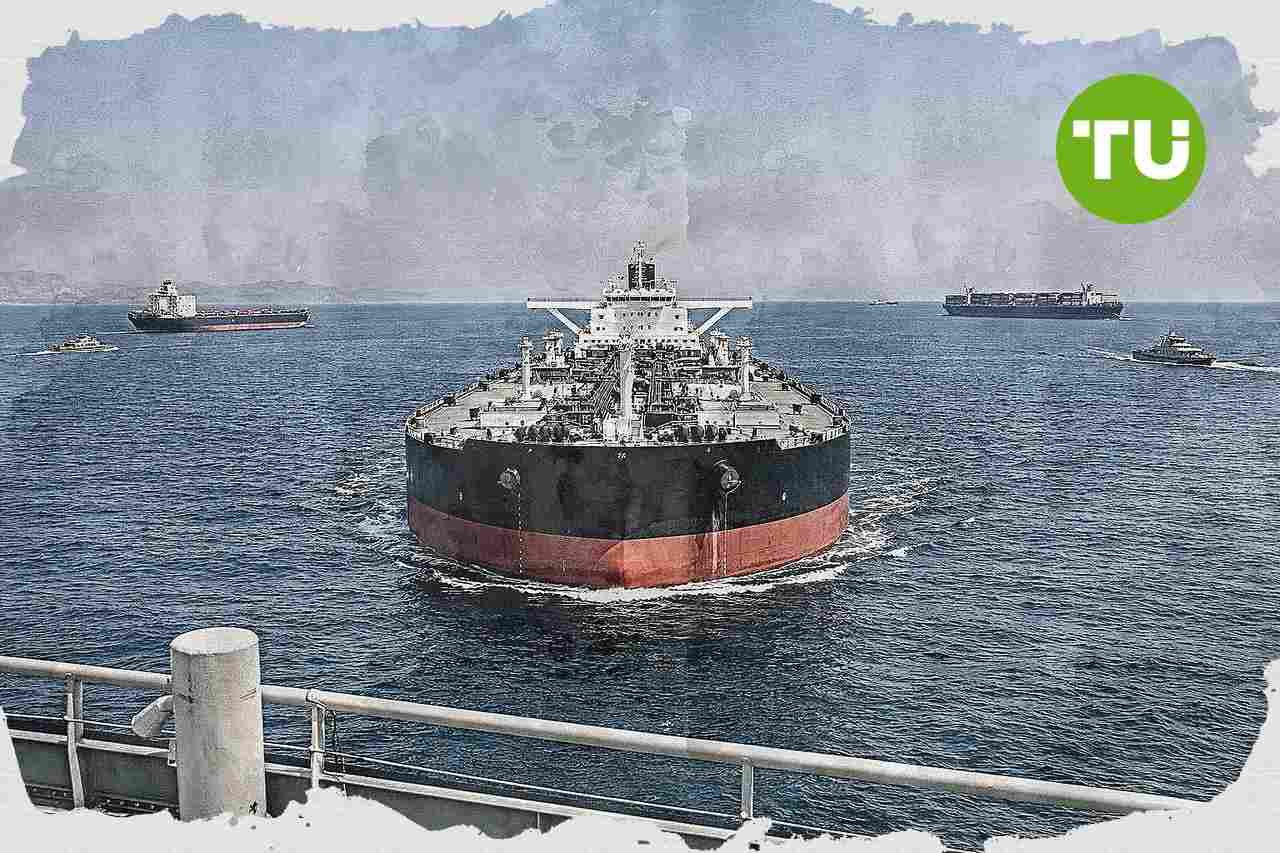
Amid Republican criticism of President Donald Trump's interim agreement with Iran, Vice President JD Vance says any economic benefits for Tehran depend on full compliance with the deal. The arrangement pauses military operations, reopens the Strait of Hormuz for at least 60 days and creates a window for negotiations on a final accord.
Highlights
- White House states no direct transfer of money to Iran and ties access to sanctions relief and frozen funds to full Iranian compliance.
- Deal signed by Trump and Iranian President Masoud Pezeshkian pauses military operations, reopens Strait of Hormuz for 60 days, and enables further settlement talks.
- Memorandum of understanding launches a 60-day negotiating period, potentially extendable, amid Republican criticism over the 14-point accord's concessions to Iran.
White House outlines terms of interim accord
As reported by CNBC, Vance says at a White House news conference that the U.S. is not transferring money to Iran and that access to sanctions relief, frozen funds and a proposed $300 billion reconstruction plan is conditional on Tehran meeting the agreement's terms in full.He says Iran's nuclear program "has been completely destroyed" and presents the memorandum of understanding as the next phase of Trump's pressure campaign rather than a concession. Vance adds that the 60-day negotiating period begins on Thursday and can be extended.
The deal, signed by Trump and Iranian President Masoud Pezeshkian, ends military operations for now and reopens the Strait of Hormuz for at least 60 days to support talks on a final settlement.
Regional implications and political pressure
Vance argues the agreement could alter the regional balance if Iran changes its conduct, saying such compliance would open the way to a transformative relationship with the Middle East.He also says more pragmatic forces inside Iran are gaining influence, framing that shift as consistent with Washington's objective. His remarks come as the White House faces backlash from Republican critics questioning whether the 14-point agreement gives Iran too much in exchange for a temporary halt in fighting.
Our earlier coverage of the U.S.–Iran interim agreement explained how Washington and Tehran signed a memorandum extending the ceasefire while laying out conditional sanctions relief, access to frozen funds and a proposed $300 billion reconstruction vehicle tied to a final settlement. We also outlined the deal’s nuclear provisions—such as steps to dilute enriched uranium under international supervision—and noted that unresolved security and implementation risks kept markets cautious despite the initial de-escalation.





Latest General Dynamics Corporation News









-
 Afghanistan
-
 Albania
-
 Algeria
-
 Angola
-
 Argentina
-
 Armenia
-
 Australia
-
 Austria
-
 Azerbaijan
-
 Bahamas
-
 Bahrain
-
 Bangladesh
-
 Belarus
-
 Belgium
-
 Bolivia
-
 Botswana
-
 Brazil
-
 Brunei
-
 Bulgaria
-
 Cambodia
-
 Cameroon
-
 Canada
-
 Chile
Chile
-
 China
China
-
 Colombia
-
 Congo
Congo
-
 Costa Rica
-
 Cote d'Ivoire
-
 Croatia
-
 Cuba
Cuba
-
 Cyprus
-
 Czechia
-
 DR Congo
-
 Denmark
-
 Dominican Republic
-
 Ecuador
-
 Egypt
Egypt
-
 El Salvador
-
 Estonia
-
 Eswatini
-
 Ethiopia
-
 Finland
-
 France
-
 Georgia
-
 Germany
-
 Ghana
Ghana
-
 Greece
-
 Haiti
Haiti
-
 Hong Kong
-
 Hungary
-
 India
India
-
 Indonesia
-
 Iran, Islamic republic
-
 Iraq
Iraq
-
 Ireland
-
 Israel
-
 Italy
Italy
-
 Jamaica
-
 Japan
Japan
-
 Jordan
-
 Kazakhstan
-
 Kenya
Kenya
-
 Korea
Korea
-
 Kuwait
-
 Kyrgyzstan
-
 Laos
Laos
-
 Latvia
-
 Lebanon
-
 Lesotho
-
 Libya
Libya
-
 Lithuania
-
 Luxembourg
-
 Madagascar
-
 Malaysia
-
 Malta
Malta
-
 Mauritius
-
 Mexico
-
 Moldova
-
 Mongolia
-
 Montenegro
-
 Morocco
-
 Mozambique
-
 Myanmar
-
 Namibia
-
 Nepal
Nepal
-
 Netherlands
-
 New Zealand
-
 Nigeria
-
 North Macedonia
-
 Norway
-
 Oman
Oman
-
 Pakistan
-
 Palestine
-
 Panama
-
 Papua New Guinea
-
 Paraguay
-
 Peru
Peru
-
 Philippines
-
 Poland
-
 Portugal
-
 Puerto Rico
-
 Qatar
Qatar
-
 Reunion
-
 Romania
-
 Rwanda
-
 Saudi Arabia
-
 Serbia
-
 Singapore
-
 Slovakia
-
 Slovenia
-
 Somalia
-
 South Africa
-
 Spain
Spain
-
 Sri Lanka
-
 Sweden
-
 Switzerland
-
 Syria
Syria
-
 Taiwan
-
 Tajikistan
-
 Tanzania
-
 Thailand
-
 Trinidad and Tobago
-
 Tunisia
-
 Turkey
-
 UAE
UAE
-
 Uganda
-
 Ukraine
-
 United Kingdom
-
United States
-
 Uruguay
-
 Uzbekistan
-
 Venezuela
-
 Vietnam
-
 Yemen
Yemen
-
 Zambia
-
 Zimbabwe
- Forex
- Crypto











