
FERC launches grid integration initiative for large power loads in the U.S.

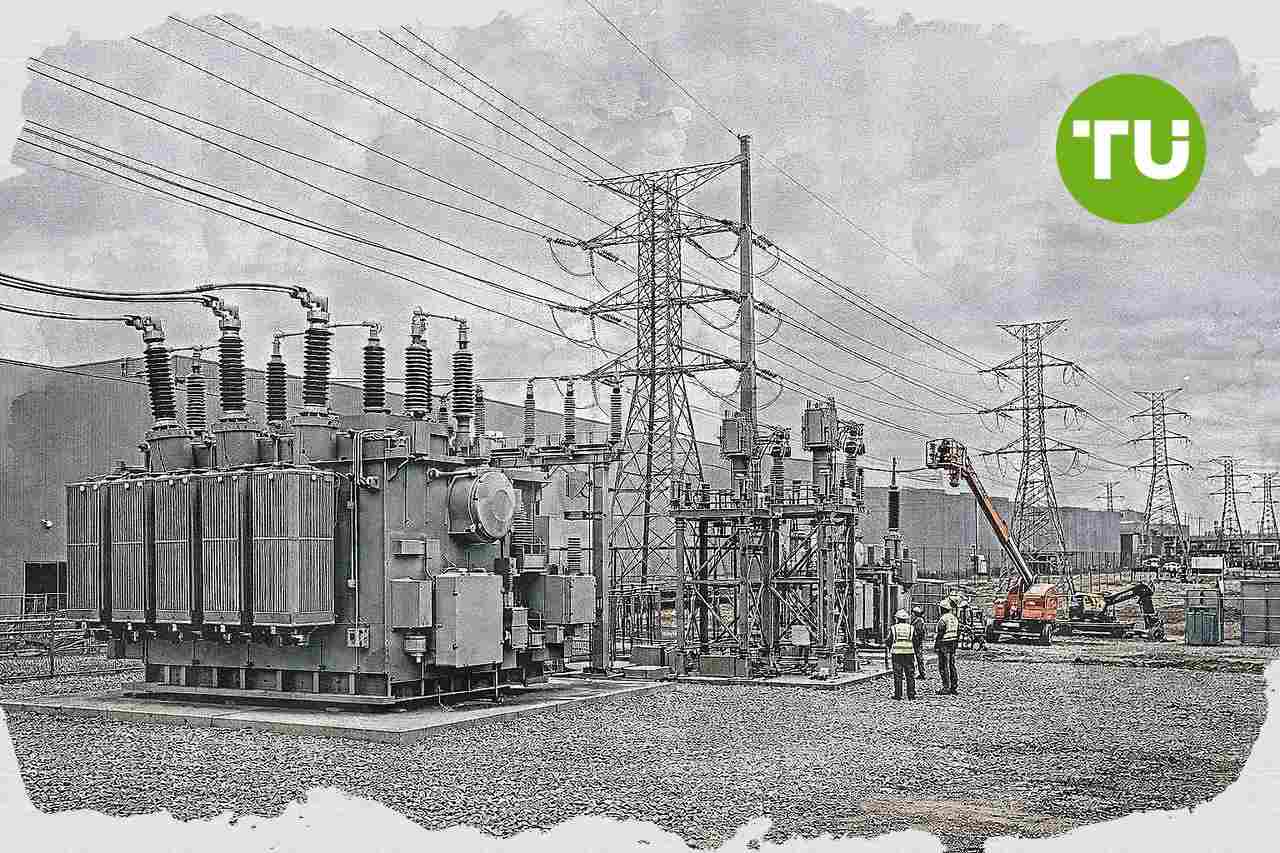
As electricity demand and grid modernization pressures rise, the Federal Energy Regulatory Commission is launching a new initiative to accelerate the integration of large load resources into the U.S. power system. The effort is part of a broader strategy to improve delivery reliability and make the grid more adaptable to higher demand and cleaner energy needs.
Highlights
- FERC launched an initiative to accelerate connections of large power loads and address reliability concerns amid rising U.S. grid demand.
- FERC invited utilities, energy suppliers, and consumer advocates to comment on streamlining integration, aiming for improved grid efficiency and resilience.
- The initiative signals tighter regulatory scrutiny and efforts to modernize the grid, reduce bottlenecks, and strengthen reliability as demand and complexity increase.
Stakeholder process and regulatory focus
As announced by the Federal Energy Regulatory Commission, the initiative seeks to speed the process for connecting large load resources to existing grid infrastructure and to address mounting concerns about system reliability.FERC is inviting utilities, energy suppliers and consumer advocacy groups to join discussions on how to streamline integration procedures. The agency says the process is designed to support a more efficient electricity network as the grid faces rising loads and shifting operating requirements.
FERC's chairman says the targeted action is important to keep the grid resilient and capable of meeting current demand as well as expected future needs. Stakeholder comments are expected to help shape collaborative solutions and improve the effectiveness of the initiative.
Implications for power system reliability
The move underscores a regulatory push to modernize the nation's electricity system at a time when operators are managing both stronger demand growth and expectations for cleaner energy. Faster integration of large load resources could help reduce bottlenecks in the connection process and support more flexible grid planning.For utilities and energy market participants, the initiative signals closer scrutiny of how infrastructure and regulatory processes handle major new electricity loads. It also points to a wider industry effort to strengthen reliability while preparing the U.S. grid for a more complex operating environment.
Our earlier coverage of Rogers Communications’ CRTC fee warning examined how intensified regulatory scrutiny can translate into operational uncertainty and added risk for market participants. We also noted that the dispute increased headline pressure around the stock, reinforcing cautious sentiment as traders watched key technical levels for signs of further downside or stabilization.





Latest National Grid News








-
 Afghanistan
-
 Albania
-
 Algeria
-
 Angola
-
 Argentina
-
 Armenia
-
 Australia
-
 Austria
-
 Azerbaijan
-
 Bahamas
-
 Bahrain
-
 Bangladesh
-
 Belarus
-
 Belgium
-
 Bolivia
-
 Botswana
-
 Brazil
-
 Brunei
-
 Bulgaria
-
 Cambodia
-
 Cameroon
-
 Canada
-
 Chile
Chile
-
 China
China
-
 Colombia
-
 Congo
Congo
-
 Costa Rica
-
 Cote d'Ivoire
-
 Croatia
-
 Cuba
Cuba
-
 Cyprus
-
 Czechia
-
 DR Congo
-
 Denmark
-
 Dominican Republic
-
 Ecuador
-
 Egypt
Egypt
-
 El Salvador
-
 Estonia
-
 Eswatini
-
 Ethiopia
-
 Finland
-
 France
-
 Georgia
-
 Germany
-
 Ghana
Ghana
-
 Greece
-
 Haiti
Haiti
-
 Hong Kong
-
 Hungary
-
 India
India
-
 Indonesia
-
 Iran, Islamic republic
-
 Iraq
Iraq
-
 Ireland
-
 Israel
-
 Italy
Italy
-
 Jamaica
-
 Japan
Japan
-
 Jordan
-
 Kazakhstan
-
 Kenya
Kenya
-
 Korea
Korea
-
 Kuwait
-
 Kyrgyzstan
-
 Laos
Laos
-
 Latvia
-
 Lebanon
-
 Lesotho
-
 Libya
Libya
-
 Lithuania
-
 Luxembourg
-
 Madagascar
-
 Malaysia
-
 Malta
Malta
-
 Mauritius
-
 Mexico
-
 Moldova
-
 Mongolia
-
 Montenegro
-
 Morocco
-
 Mozambique
-
 Myanmar
-
 Namibia
-
 Nepal
Nepal
-
 Netherlands
-
 New Zealand
-
 Nigeria
-
 North Macedonia
-
 Norway
-
 Oman
Oman
-
 Pakistan
-
 Palestine
-
 Panama
-
 Papua New Guinea
-
 Paraguay
-
 Peru
Peru
-
 Philippines
-
 Poland
-
 Portugal
-
 Puerto Rico
-
 Qatar
Qatar
-
 Reunion
-
 Romania
-
 Rwanda
-
 Saudi Arabia
-
 Serbia
-
 Singapore
-
 Slovakia
-
 Slovenia
-
 Somalia
-
 South Africa
-
 Spain
Spain
-
 Sri Lanka
-
 Sweden
-
 Switzerland
-
 Syria
Syria
-
 Taiwan
-
 Tajikistan
-
 Tanzania
-
 Thailand
-
 Trinidad and Tobago
-
 Tunisia
-
 Turkey
-
 UAE
UAE
-
 Uganda
-
 Ukraine
-
 United Kingdom
-
United States
-
 Uruguay
-
 Uzbekistan
-
 Venezuela
-
 Vietnam
-
 Yemen
Yemen
-
 Zambia
-
 Zimbabwe
- Forex
- Crypto












