
South Africa’s anti-migrant backlash raises risks for investment and labor market growth
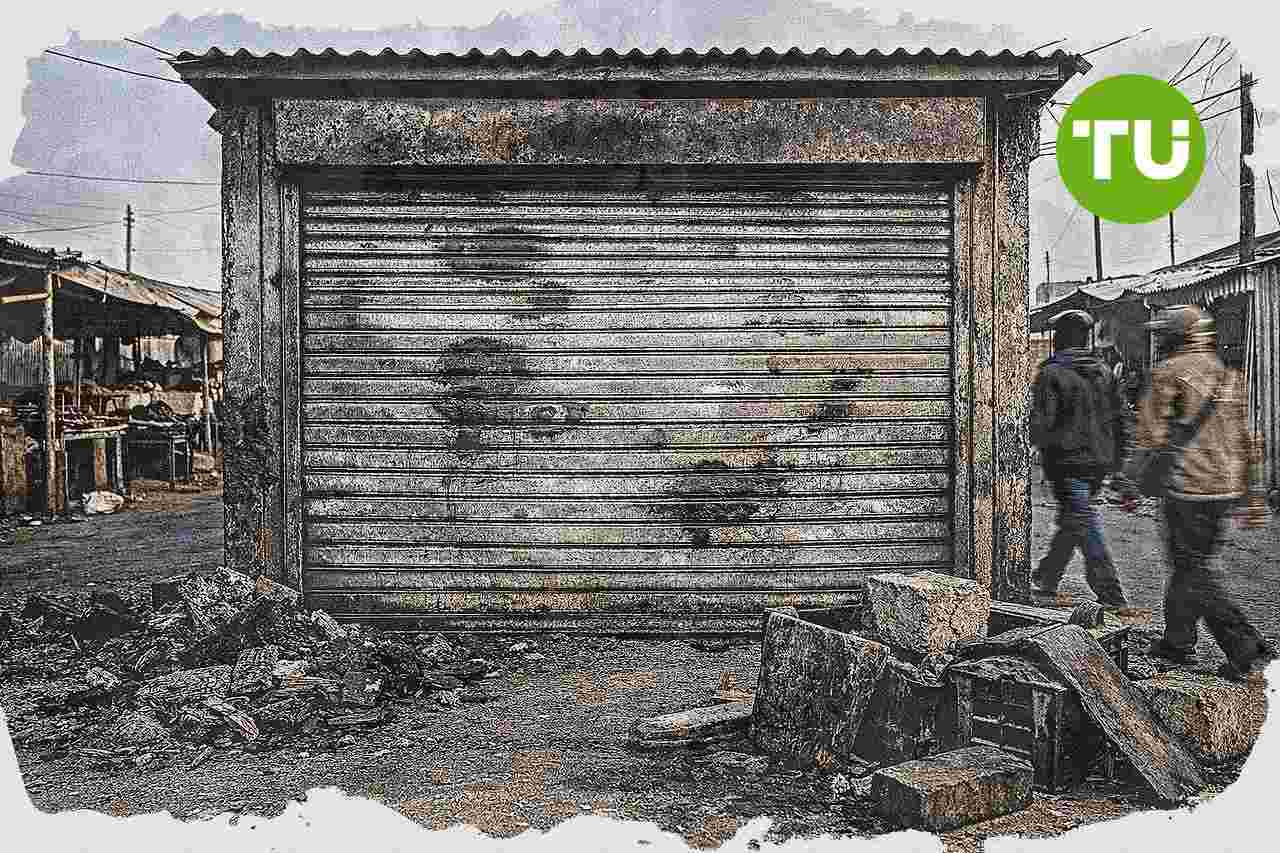
South Africa faces mounting reputational and economic costs as hostility toward African migrants persists alongside chronic unemployment and weak job creation. The backlash threatens the country’s appeal to investors, skilled workers and visitors, even though foreign-born residents account for only a small share of the population.
Highlights
- Xenophobic backlash and violence against migrants in South Africa intensify investment risks and threaten labor market growth amid entrenched unemployment exceeding one third of the workforce.
- Anti-migrant sentiment undermines South Africa’s appeal to capital, skills, and tourism, compounding the challenges of already slow employment creation under African National Congress policies.
- Regional integration through an African free trade area offers South Africa access to a 1.6 billion person market, with scale benefits for sectors like telecoms, banks, and retail chains invested across the continent.
Xenophobia strains South Africa’s economic model
As argued by Financial Times, hostility toward foreign workers in South Africa reflects a broader economic failure in which migrants are blamed for taking jobs and contributing to crime. The piece says African migrants, particularly in townships, face a hostile environment, with periodic protests and vigilante violence targeting foreign-owned spaza shops, homes and individuals.The article links that tension to entrenched unemployment, with about a third of the workforce and roughly half of young people out of work. It argues that frustration over scarce jobs and services has been intensified by three decades of African National Congress policy that has failed to create stronger conditions for employment growth.
The analysis also says migrants are sometimes seen as more employable because they may accept lower wages, but also because they are often better educated than local workers. That comparison, it argues, points back to shortcomings in South Africa’s education reforms rather than to migrants themselves.
Regional integration offers a bigger economic upside
Beyond the social damage, the backlash carries broader business risks for a country that needs capital, skills and tourism. The article says the perception and reality of xenophobia are especially harmful because South Africa still offers more opportunity than many countries in Africa and stands to benefit from remaining open to talent and regional commerce.It notes that South Africa, like other countries on the continent, has committed to an EU-style free trade area that includes freer movement of goods and services. That framework is presented as a major opportunity to connect 54 fragmented economies into a market of 1.6 billion people, where scale and specialization become more viable.
South Africa is positioned to gain from that arrangement because its telecoms groups, banks and supermarket chains are already heavily invested across Africa. The article concludes that politicians need to reinforce the economic case for pan-African cooperation while creating conditions that allow South Africans to compete more successfully in the labor market.
Our earlier coverage of the U.S. Employment Cost Index (ECI) explained how the long-running benchmark tracks changes in wages, salaries, and benefits while minimizing distortions from shifts in the employment mix. It highlighted that private-industry wage and salary costs have risen sharply over the past five decades, while recent annual gains have been more moderate than the high-inflation late 1970s—offering a useful yardstick for assessing labor-market strain.





Latest Labor Market News










-
 Afghanistan
-
 Albania
-
 Algeria
-
 Angola
-
 Argentina
-
 Armenia
-
 Australia
-
 Austria
-
 Azerbaijan
-
 Bahamas
-
 Bahrain
-
 Bangladesh
-
 Belarus
-
 Belgium
-
 Bolivia
-
 Botswana
-
 Brazil
-
 Brunei
-
 Bulgaria
-
 Cambodia
-
 Cameroon
-
 Canada
-
 Chile
Chile
-
 China
China
-
 Colombia
-
 Congo
Congo
-
 Costa Rica
-
 Cote d'Ivoire
-
 Croatia
-
 Cuba
Cuba
-
 Cyprus
-
 Czechia
-
 DR Congo
-
 Denmark
-
 Dominican Republic
-
 Ecuador
-
 Egypt
Egypt
-
 El Salvador
-
 Estonia
-
 Eswatini
-
 Ethiopia
-
 Finland
-
 France
-
 Georgia
-
 Germany
-
 Ghana
Ghana
-
 Greece
-
 Haiti
Haiti
-
 Hong Kong
-
 Hungary
-
 India
India
-
 Indonesia
-
 Iran, Islamic republic
-
 Iraq
Iraq
-
 Ireland
-
 Israel
-
 Italy
Italy
-
 Jamaica
-
 Japan
Japan
-
 Jordan
-
 Kazakhstan
-
 Kenya
Kenya
-
 Korea
Korea
-
 Kuwait
-
 Kyrgyzstan
-
 Laos
Laos
-
 Latvia
-
 Lebanon
-
 Lesotho
-
 Libya
Libya
-
 Lithuania
-
 Luxembourg
-
 Madagascar
-
 Malaysia
-
 Malta
Malta
-
 Mauritius
-
 Mexico
-
 Moldova
-
 Mongolia
-
 Montenegro
-
 Morocco
-
 Mozambique
-
 Myanmar
-
 Namibia
-
 Nepal
Nepal
-
 Netherlands
-
 New Zealand
-
 Nigeria
-
 North Macedonia
-
 Norway
-
 Oman
Oman
-
 Pakistan
-
 Palestine
-
 Panama
-
 Papua New Guinea
-
 Paraguay
-
 Peru
Peru
-
 Philippines
-
 Poland
-
 Portugal
-
 Puerto Rico
-
 Qatar
Qatar
-
 Reunion
-
 Romania
-
 Rwanda
-
 Saudi Arabia
-
 Serbia
-
 Singapore
-
 Slovakia
-
 Slovenia
-
 Somalia
-
 South Africa
-
 Spain
Spain
-
 Sri Lanka
-
 Sweden
-
 Switzerland
-
 Syria
Syria
-
 Taiwan
-
 Tajikistan
-
 Tanzania
-
 Thailand
-
 Trinidad and Tobago
-
 Tunisia
-
 Turkey
-
 UAE
UAE
-
 Uganda
-
 Ukraine
-
 United Kingdom
-
United States
-
 Uruguay
-
 Uzbekistan
-
 Venezuela
-
 Vietnam
-
 Yemen
Yemen
-
 Zambia
-
 Zimbabwe
- Forex
- Crypto












