
House Oversight panel opens digital currency roundtable on U.S. security and authoritarian regimes
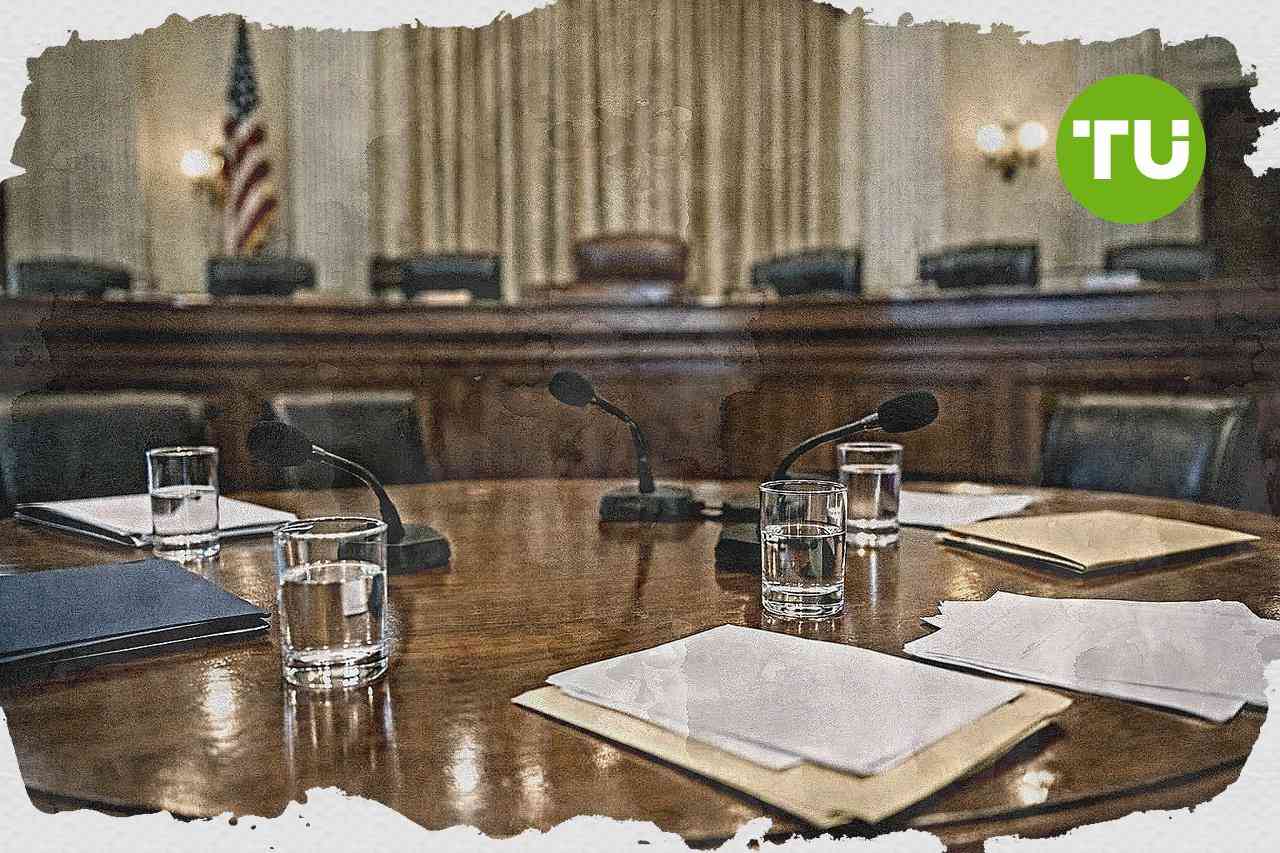
Lawmakers are putting digital assets at the center of a wider debate over national security, financial freedom and the global rules governing emerging payment systems. A House Oversight subcommittee roundtable is examining how cryptocurrencies are used in authoritarian countries and whether U.S. policy can counter state-backed digital finance models promoted by rivals such as China.
Highlights
- House Oversight Subcommittee Chair William Timmons launched a digital-currency roundtable focused on cryptocurrencies’ roles supporting residents of authoritarian regimes and possible U.S. responses.
- Timmons and panelists from Anchorage Digital Bank, Economic Inclusion Group, The Digital Chamber, and Project on Government Oversight discussed on-the-ground crypto use and impacts of current and future U.S. policy decisions.
- Timmons warned that without U.S. and democratic leadership in digital asset regulation, authoritarian states like China could set global standards for surveillance-based financial systems, risking U.S. security interests.
Roundtable focus and policy agenda
As reported by the House Committee on Oversight and Accountability, Subcommittee on Military and Foreign Affairs Chairman William Timmons opens a roundtable on how cryptocurrencies are being used by people living under repressive regimes around the world. He says the discussion is designed as an informal exchange rather than a standard congressional hearing, with participants offering opening remarks and members engaging in a free-form question session.Timmons says decentralized digital assets can help people living under authoritarian systems store value, send money and receive support from abroad without government interference. He also argues that such tools can help dissidents, journalists and activists access and share suppressed information, framing crypto as a challenge to governments that seek to control both money and information.
The panel includes Dustin Palmer, Bank Secrecy Act Officer at Anchorage Digital Bank, Jorge Jraissati, president of the Economic Inclusion Group, Cody Carbone, chief executive officer of The Digital Chamber, and Dylan Hedtler-Gaudette, acting vice president of policy and government affairs at the Project on Government Oversight. Timmons says their perspectives are expected to cover on-the-ground use of digital tools, the effect of U.S. policy choices and possible congressional action.
Strategic implications for digital finance leadership
Timmons links the debate over digital assets to broader competition over who sets global financial standards. He says democratic nations need to lead the development and regulation of digital assets or risk ceding influence to repressive governments pursuing state-controlled digital currency systems.He specifically points to the Chinese Communist Party's push to shape standards for surveillance-based financial systems and cross-border payment architecture that serve Beijing's geopolitical aims. In that context, he presents digital asset policy not only as a financial regulation issue but also as a question of U.S. national security and the protection of individual liberty abroad.
In our earlier article, we covered House Republicans’ intensified oversight of U.S. tax-exempt organizations they allege have ties to the Chinese Communist Party, including scrutiny of foreign funding flows and the potential use of subpoena powers. The report framed the effort as part of a broader national-security and competitiveness agenda with China, linking concerns about influence operations to disputes in strategic technology areas and calls for tighter government oversight.


Latest David Rubenstein News






-
 Afghanistan
-
 Albania
-
 Algeria
-
 Angola
-
 Argentina
-
 Armenia
-
 Australia
-
 Austria
-
 Azerbaijan
-
 Bahamas
-
 Bahrain
-
 Bangladesh
-
 Belarus
-
 Belgium
-
 Bolivia
-
 Botswana
-
 Brazil
-
 Brunei
-
 Bulgaria
-
 Cambodia
-
 Cameroon
-
 Canada
-
 Chile
Chile
-
 China
China
-
 Colombia
-
 Congo
Congo
-
 Costa Rica
-
 Cote d'Ivoire
-
 Croatia
-
 Cuba
Cuba
-
 Cyprus
-
 Czechia
-
 DR Congo
-
 Denmark
-
 Dominican Republic
-
 Ecuador
-
 Egypt
Egypt
-
 El Salvador
-
 Estonia
-
 Eswatini
-
 Ethiopia
-
 Finland
-
 France
-
 Georgia
-
 Germany
-
 Ghana
Ghana
-
 Greece
-
 Haiti
Haiti
-
 Hong Kong
-
 Hungary
-
 India
India
-
 Indonesia
-
 Iran, Islamic republic
-
 Iraq
Iraq
-
 Ireland
-
 Israel
-
 Italy
Italy
-
 Jamaica
-
 Japan
Japan
-
 Jordan
-
 Kazakhstan
-
 Kenya
Kenya
-
 Korea
Korea
-
 Kuwait
-
 Kyrgyzstan
-
 Laos
Laos
-
 Latvia
-
 Lebanon
-
 Lesotho
-
 Libya
Libya
-
 Lithuania
-
 Luxembourg
-
 Madagascar
-
 Malaysia
-
 Malta
Malta
-
 Mauritius
-
 Mexico
-
 Moldova
-
 Mongolia
-
 Montenegro
-
 Morocco
-
 Mozambique
-
 Myanmar
-
 Namibia
-
 Nepal
Nepal
-
 Netherlands
-
 New Zealand
-
 Nigeria
-
 North Macedonia
-
 Norway
-
 Oman
Oman
-
 Pakistan
-
 Palestine
-
 Panama
-
 Papua New Guinea
-
 Paraguay
-
 Peru
Peru
-
 Philippines
-
 Poland
-
 Portugal
-
 Puerto Rico
-
 Qatar
Qatar
-
 Reunion
-
 Romania
-
 Rwanda
-
 Saudi Arabia
-
 Serbia
-
 Singapore
-
 Slovakia
-
 Slovenia
-
 Somalia
-
 South Africa
-
 Spain
Spain
-
 Sri Lanka
-
 Sweden
-
 Switzerland
-
 Syria
Syria
-
 Taiwan
-
 Tajikistan
-
 Tanzania
-
 Thailand
-
 Trinidad and Tobago
-
 Tunisia
-
 Turkey
-
 UAE
UAE
-
 Uganda
-
 Ukraine
-
 United Kingdom
-
United States
-
 Uruguay
-
 Uzbekistan
-
 Venezuela
-
 Vietnam
-
 Yemen
Yemen
-
 Zambia
-
 Zimbabwe
- Forex
- Crypto












