
SpaceX plans Starlink mobile push in U.S. consumer market
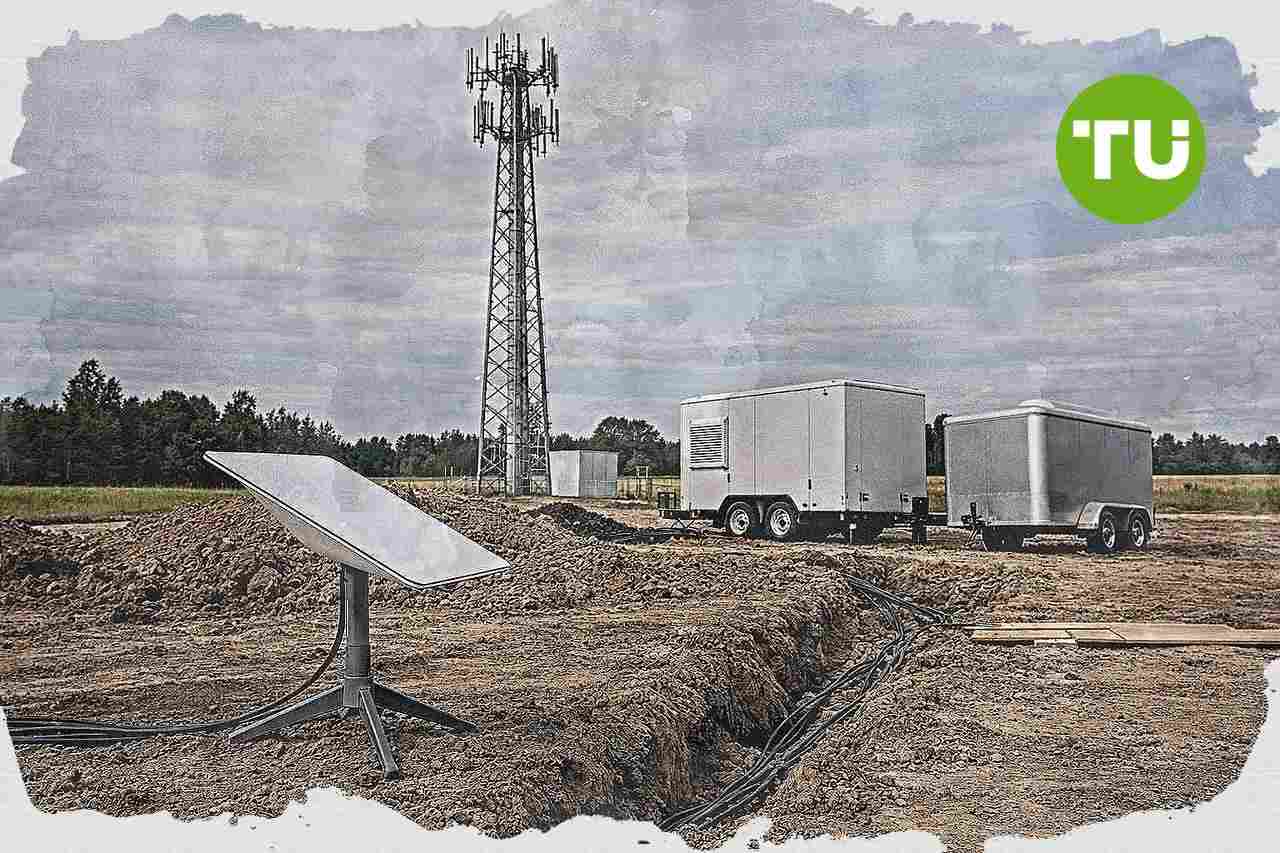
SpaceX is weighing a broader expansion of Starlink that could take the satellite business directly into the U.S. consumer mobile market. The move would open a new revenue path beyond satellite broadband and deepen competition with established wireless operators including Verizon Wireless, AT&T and T-Mobile.
Highlights
- SpaceX is considering launching a direct-to-consumer Starlink mobile product in the U.S. and potentially building its own terrestrial mobile network, according to IPO roadshow disclosures.
- Following its $1.8tn IPO, SpaceX faces pressure to accelerate growth, with Goldman analysts forecasting Starlink's AI revenue could reach $322bn by 2030 and expansion targeting rural, suburban, and urban markets.
- SpaceX paid $17bn for EchoStar wireless spectrum licences but currently owns only 65MHz compared to U.S. operators' 1,020MHz, highlighting heavy infrastructure and spectrum barriers for direct mobile entry.
Retail mobile strategy takes shape
As first reported by the Financial Times, SpaceX tells investors during a recent IPO roadshow that it is considering a Starlink retail mobile product and could also build its own terrestrial U.S. mobile network, according to four people familiar with the matter.Such a step would require the company to sell mobile contracts directly to individual customers rather than relying mainly on telecom partners to distribute satellite connectivity. Until now, SpaceX has taken a more limited direct-to-consumer approach in the U.S., largely allowing operators such as T-Mobile to use Starlink satellites to improve coverage in rural areas.
Although the terms of those commercial agreements are not public, analysts believe Starlink receives a share of revenue from customers whose mobile plans include satellite access. A direct retail offer would mark one of SpaceX's biggest commercial expansions since Starlink's launch, extending a service that already provides high-speed internet in more than 150 countries.
The plans come days after SpaceX's $1.8tn IPO, which is increasing pressure on the group to sustain rapid growth and develop new income streams. During the roadshow, Elon Musk also pitches investors on longer-term projects including data centres in space and a colony on Mars, while Goldman analysts forecast a 100-fold rise in the company's AI revenue to $322bn by 2030.
SpaceX has not publicly confirmed plans for a retail mobile launch, even though it identifies Starlink expansion as a major growth pillar in its IPO prospectus. In a bond prospectus seen by the FT, the company says Starlink Mobile is currently expected to matter most in remote areas not covered by terrestrial mobile networks, but it also signals wider ambitions across rural, suburban and urban markets as performance improves and its satellite constellation grows.
Costs and competitive risks remain high
The strategy would also complement SpaceX's existing broadband business, which serves 10.3mn customers worldwide as of March, and could reduce reliance on telecom operators that currently stand between Starlink and end users. A larger consumer mobile presence would give the company access to a much bigger market than satellite broadband alone.Still, analysts are treating the idea cautiously, warning that it may be as much a negotiating tool with telecom partners as a firm rollout plan. They also point to the heavy capital demands of building a mobile network, including the need for billions of dollars in infrastructure spending and access to far more radio spectrum.
Speculation over Starlink's mobile ambitions has been building for months after SpaceX pays $17bn to EchoStar for wireless spectrum licences last September to strengthen its satellite network. New Street Research estimates that the three main U.S. mobile operators control about 1,020MHz of spectrum combined, while SpaceX has just 65MHz.
David Barden, partner at New Street Research, says building a wireless network in saturated markets around the world would be extremely difficult. He adds that the prospect of doing so still makes strategic sense if it helps SpaceX secure better revenue-sharing terms from mobile network operator partners.
In our previous coverage of SpaceX’s post-IPO trading, we noted the stock’s sharp move higher from its $135 debut and the wide spread in analyst price targets as investors tried to pin down valuation. We also highlighted how broader market weakness in Big Tech and rotation into defensive sectors framed sentiment around newly listed names, keeping SpaceX in focus as a key stock-specific momentum story.












-
 Afghanistan
-
 Albania
-
 Algeria
-
 Angola
-
 Argentina
-
 Armenia
-
 Australia
-
 Austria
-
 Azerbaijan
-
 Bahamas
-
 Bahrain
-
 Bangladesh
-
 Belarus
-
 Belgium
-
 Bolivia
-
 Botswana
-
 Brazil
-
 Brunei
-
 Bulgaria
-
 Cambodia
-
 Cameroon
-
 Canada
-
 Chile
Chile
-
 China
China
-
 Colombia
-
 Congo
Congo
-
 Costa Rica
-
 Cote d'Ivoire
-
 Croatia
-
 Cuba
Cuba
-
 Cyprus
-
 Czechia
-
 DR Congo
-
 Denmark
-
 Dominican Republic
-
 Ecuador
-
 Egypt
Egypt
-
 El Salvador
-
 Estonia
-
 Eswatini
-
 Ethiopia
-
 Finland
-
 France
-
 Georgia
-
 Germany
-
 Ghana
Ghana
-
 Greece
-
 Haiti
Haiti
-
 Hong Kong
-
 Hungary
-
 India
India
-
 Indonesia
-
 Iran, Islamic republic
-
 Iraq
Iraq
-
 Ireland
-
 Israel
-
 Italy
Italy
-
 Jamaica
-
 Japan
Japan
-
 Jordan
-
 Kazakhstan
-
 Kenya
Kenya
-
 Korea
Korea
-
 Kuwait
-
 Kyrgyzstan
-
 Laos
Laos
-
 Latvia
-
 Lebanon
-
 Lesotho
-
 Libya
Libya
-
 Lithuania
-
 Luxembourg
-
 Madagascar
-
 Malaysia
-
 Malta
Malta
-
 Mauritius
-
 Mexico
-
 Moldova
-
 Mongolia
-
 Montenegro
-
 Morocco
-
 Mozambique
-
 Myanmar
-
 Namibia
-
 Nepal
Nepal
-
 Netherlands
-
 New Zealand
-
 Nigeria
-
 North Macedonia
-
 Norway
-
 Oman
Oman
-
 Pakistan
-
 Palestine
-
 Panama
-
 Papua New Guinea
-
 Paraguay
-
 Peru
Peru
-
 Philippines
-
 Poland
-
 Portugal
-
 Puerto Rico
-
 Qatar
Qatar
-
 Reunion
-
 Romania
-
 Rwanda
-
 Saudi Arabia
-
 Serbia
-
 Singapore
-
 Slovakia
-
 Slovenia
-
 Somalia
-
 South Africa
-
 Spain
Spain
-
 Sri Lanka
-
 Sweden
-
 Switzerland
-
 Syria
Syria
-
 Taiwan
-
 Tajikistan
-
 Tanzania
-
 Thailand
-
 Trinidad and Tobago
-
 Tunisia
-
 Turkey
-
 UAE
UAE
-
 Uganda
-
 Ukraine
-
 United Kingdom
-
United States
-
 Uruguay
-
 Uzbekistan
-
 Venezuela
-
 Vietnam
-
 Yemen
Yemen
-
 Zambia
-
 Zimbabwe
- Forex
- Crypto











