
U.S. solar developers lock in tax credits ahead of cutoff, setting up higher renewable power costs
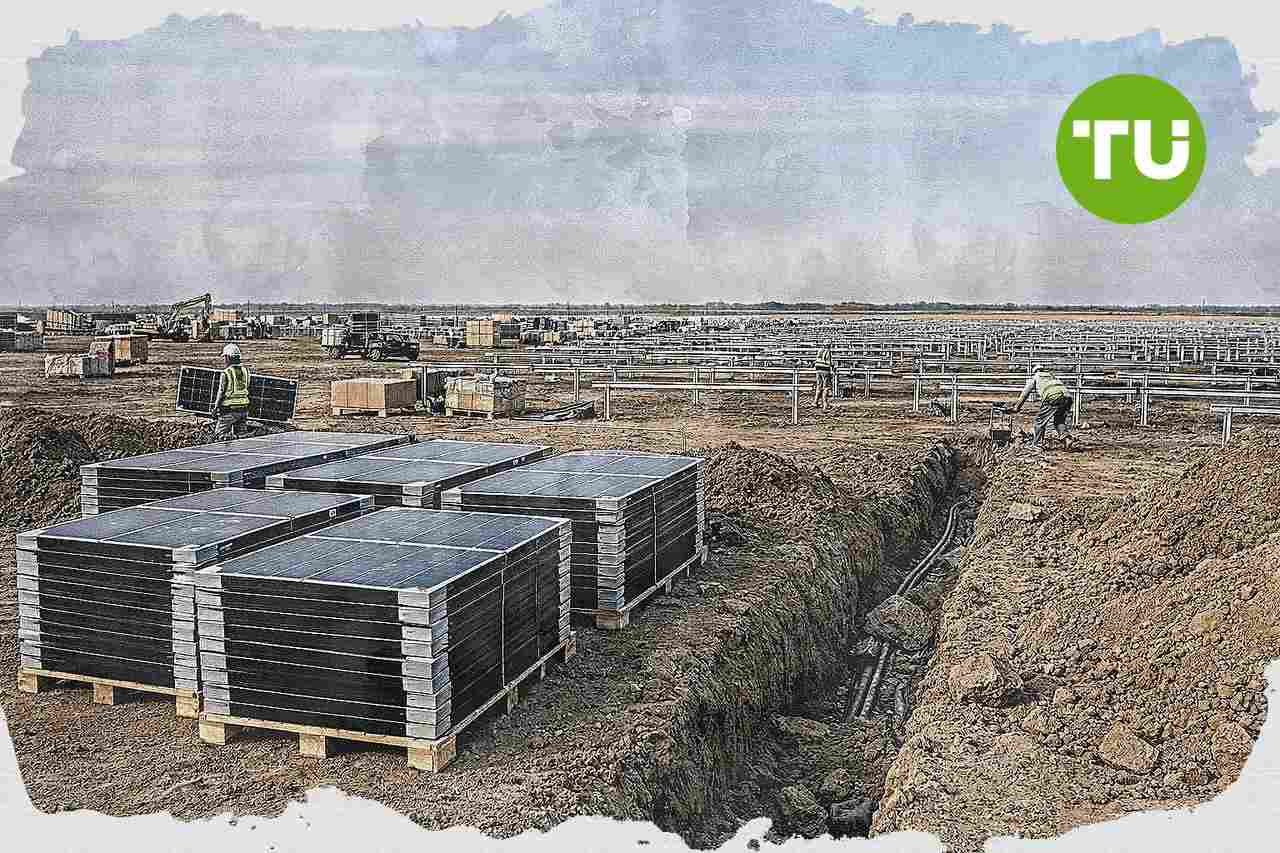
With a July 4 deadline approaching, U.S. solar developers are moving quickly to preserve federal subsidies for projects that could nearly double the nation’s current solar capacity. The rush highlights the risk that contract prices for new wind and solar power will climb sharply as long-standing tax credits are phased out under President Donald Trump’s 2025 tax law.
Highlights
- Developers secured tax credits for over 200 gigawatts of solar capacity before the cutoff by using safe-harbor measures, per Wood Mackenzie.
- The pending loss of credits, worth at least 30% of project costs, could increase wind and solar contract prices by 40% to 50%, with some Texas deals up 120%.
- LevelTen Energy reports contract proposals now often include subsidy-free pricing, reflecting concern that some projects may miss the qualification deadline.
Subsidy deadline reshapes project pipeline
As reported by Reuters, developers have effectively secured tax credits for more than 200 gigawatts of solar capacity by using safe-harbor measures before the cutoff, according to Wood Mackenzie. Those steps can include starting construction work, buying key equipment, logging worker hours or spending part of project costs, while federal rules give companies four years to finish the facilities.The expected loss of credits worth at least 30% of project costs is pushing buyers to move faster or face much higher prices. LevelTen Energy says the phaseout could lift contract prices for wind and solar by 40% to 50%, while early Texas data shows some deals rising as much as 120%.
Connor Valaik, a senior manager at LevelTen, says the market shift should warn buyers waiting on the sidelines. The firm adds that contract proposals increasingly include subsidy-free pricing for projects that may not qualify in time.
In our earlier coverage of Ofgem’s provisional support for 16 long-duration electricity storage projects in Britain, we explained how the regulator plans to use “cap-and-floor” contracts to underwrite revenues and strengthen grid resilience. We also noted that the push comes amid heatwave-driven system stress and a faster shift toward low-carbon generation, increasing the need for storage to balance periods of low wind or solar output.












-
 Afghanistan
-
 Albania
-
 Algeria
-
 Angola
-
 Argentina
-
 Armenia
-
 Australia
-
 Austria
-
 Azerbaijan
-
 Bahamas
-
 Bahrain
-
 Bangladesh
-
 Belarus
-
 Belgium
-
 Bolivia
-
 Botswana
-
 Brazil
-
 Brunei
-
 Bulgaria
-
 Cambodia
-
 Cameroon
-
 Canada
-
 Chile
Chile
-
 China
China
-
 Colombia
-
 Congo
Congo
-
 Costa Rica
-
 Cote d'Ivoire
-
 Croatia
-
 Cuba
Cuba
-
 Cyprus
-
 Czechia
-
 DR Congo
-
 Denmark
-
 Dominican Republic
-
 Ecuador
-
 Egypt
Egypt
-
 El Salvador
-
 Estonia
-
 Eswatini
-
 Ethiopia
-
 Finland
-
 France
-
 Georgia
-
 Germany
-
 Ghana
Ghana
-
 Greece
-
 Haiti
Haiti
-
 Hong Kong
-
 Hungary
-
 India
India
-
 Indonesia
-
 Iran, Islamic republic
-
 Iraq
Iraq
-
 Ireland
-
 Israel
-
 Italy
Italy
-
 Jamaica
-
 Japan
Japan
-
 Jordan
-
 Kazakhstan
-
 Kenya
Kenya
-
 Korea
Korea
-
 Kuwait
-
 Kyrgyzstan
-
 Laos
Laos
-
 Latvia
-
 Lebanon
-
 Lesotho
-
 Libya
Libya
-
 Lithuania
-
 Luxembourg
-
 Madagascar
-
 Malaysia
-
 Malta
Malta
-
 Mauritius
-
 Mexico
-
 Moldova
-
 Mongolia
-
 Montenegro
-
 Morocco
-
 Mozambique
-
 Myanmar
-
 Namibia
-
 Nepal
Nepal
-
 Netherlands
-
 New Zealand
-
 Nigeria
-
 North Macedonia
-
 Norway
-
 Oman
Oman
-
 Pakistan
-
 Palestine
-
 Panama
-
 Papua New Guinea
-
 Paraguay
-
 Peru
Peru
-
 Philippines
-
 Poland
-
 Portugal
-
 Puerto Rico
-
 Qatar
Qatar
-
 Reunion
-
 Romania
-
 Rwanda
-
 Saudi Arabia
-
 Serbia
-
 Singapore
-
 Slovakia
-
 Slovenia
-
 Somalia
-
 South Africa
-
 Spain
Spain
-
 Sri Lanka
-
 Sweden
-
 Switzerland
-
 Syria
Syria
-
 Taiwan
-
 Tajikistan
-
 Tanzania
-
 Thailand
-
 Trinidad and Tobago
-
 Tunisia
-
 Turkey
-
 UAE
UAE
-
 Uganda
-
 Ukraine
-
 United Kingdom
-
United States
-
 Uruguay
-
 Uzbekistan
-
 Venezuela
-
 Vietnam
-
 Yemen
Yemen
-
 Zambia
-
 Zimbabwe
- Forex
- Crypto











